
Best Matcha Drinks in Austin, TX (Ranked)
Last updated July 10, 2026
In the summer of 2025, I set out on a mission to find the best matcha in Austin, Texas. Joined by my sister, who loves matcha and makes her own matcha from scratch, we took our matcha palettes on a citywide hunt. One day alone, we tried eight different spots back to back, and throughout the summer we kept adding to the list.
The TikTok matcha frenzy is what inspired this search, but honestly, I wasn’t sure I’d find a truly great matcha latte in Austin. We spent over $300 on matcha, endured some pretty bad drinks, and may have even annoyed a few baristas along the way. For consistency, we ordered the same thing at every stop: a matcha latte with whole milk, half sweet.
Come along for the full story, our hits, our misses, and where to find the best ones!
Here's the list of spots we reviewed
Tips for Spotting Good Matcha
A few things make or break a good cup of matcha. First, the powder itself matters. Matcha should be stored in a sealed container away from light to prevent oxidation otherwise, it loses freshness and takes on a bitter, stale taste. Glass containers, while Instagrammable, are not ideal for storing matcha because light can oxidize it, leading to bitterness or a dull flavor. Ideally, matcha should be stored in air tight aluminum tins or opaque bags to keep it in the dark and preserve freshness.
Matcha also expires, so if you’re drinking an old batch, it’ll definitely show in the flavor.
Preparation is just as important. The water used should be around 60–80°C (140–175°F). If it’s boiling hot (which is often the case when spots pull straight from their coffee machines or water boilers), the matcha gets burned, turning it overly bitter. Proper whisking technique also plays a role: hand-whisking helps dissolve the powder smoothly, while careless electric frothing can sometimes leave behind clumps.
One big misconception in the U.S. is the term “ceremonial grade matcha.” While it sounds impressive, it’s mostly a marketing phrase, not something commonly used in Japan. A “ceremonial” label doesn’t guarantee quality. Instead, focus on freshness, storage, preparation, and color.
Speaking of color, it’s one of the easiest tells:
Bright, vibrant green = fresh and well-prepared.
Dull, yellowish, or brownish green = oxidized, expired, or low quality.
Too much milk will dilute the matcha, while the right ratio keeps that earthy, slightly sweet flavor intact.
Personally, I lean toward a richer, darker green with a stronger matcha to milk ratio, it gives that bold, satisfying kick I look for in a latte.

My Idea of Dark Green Matcha at Le Maison Bleu in Dallas

Examples of Oxidized Matcha
Tier 1 Matcha - The Best Spots in Austin
These are the matcha drinks I consider the best in Austin, does it mean it's the best in the world? No, but its approved by me.
1. Desnudo

Desnudo Coffee was part of our initial eight stop matcha crawl, and at the time it felt like the clear standout. I’d been here plenty before and often assumed they had the best matcha in Austin (especially since I also loved their coffee), but this crawl confirmed it.
One thing that set them apart immediately: they actually tell you where they source their matcha. That day, they offered both a Hadaka matcha and an Uji matcha, complete with tasting notes. We went with the Hadaka, described as rich, fragrant, and delicately sweet and that’s exactly what it delivered.
The drink came out a bright, vibrant green, smooth and creamy. Flavorwise, it was well balanced: earthy without being overpowering, fragrant with a subtle sweetness, and with what I’d almost describe as a minty, refreshing aftertaste. Some call this “grassy,” but I found it more refined and layered. Out of all the matchas we sampled that day, this one felt the most dialed in and intentional.
2. Lau Lau
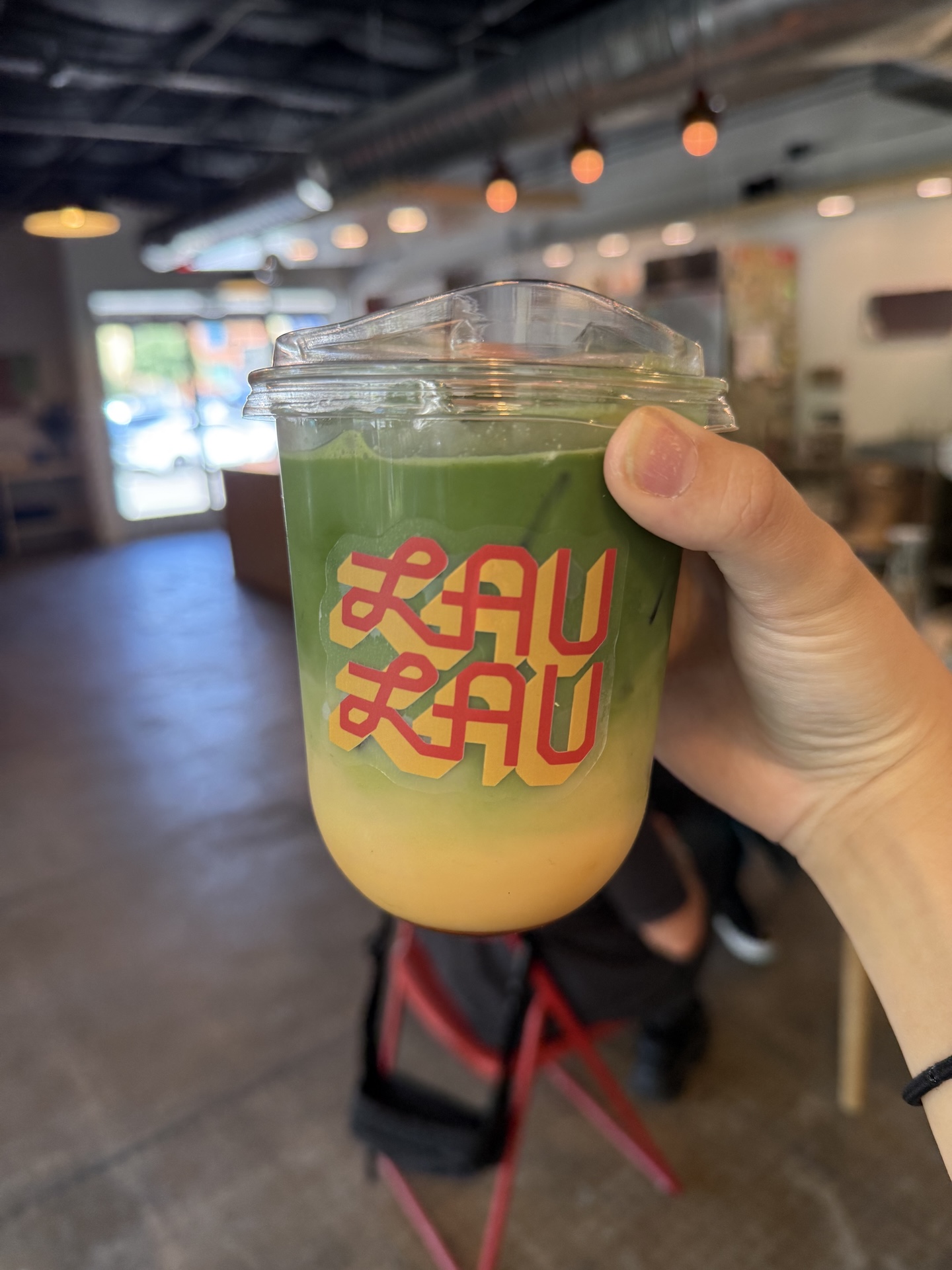
Lau Lau is another one of the better matcha spots in Austin, largely because of the care in preparation. Like Hecho Amano, she also uses Central Matcha, but what makes her drinks unique is the twist of Thai tea layered at the bottom.
Now, I normally stick to reviewing straight matcha lattes, but I don’t think the Thai tea really alters this from your typical half-sweet latte. It mostly adds a splash of color, while the matcha flavor still shines through. The best part is the balance, she doesn’t overdo the milk, which lets the umami notes come forward without being drowned out.
That said, I’ve heard from a cousin who tried it that there can be consistency issues—her drink leaned too heavy on milk. Personally, though, every time I’ve gone, I’ve gotten a very well prepared, balanced matcha that holds its own among the best in the city.
3. Hecho Amano Coffee
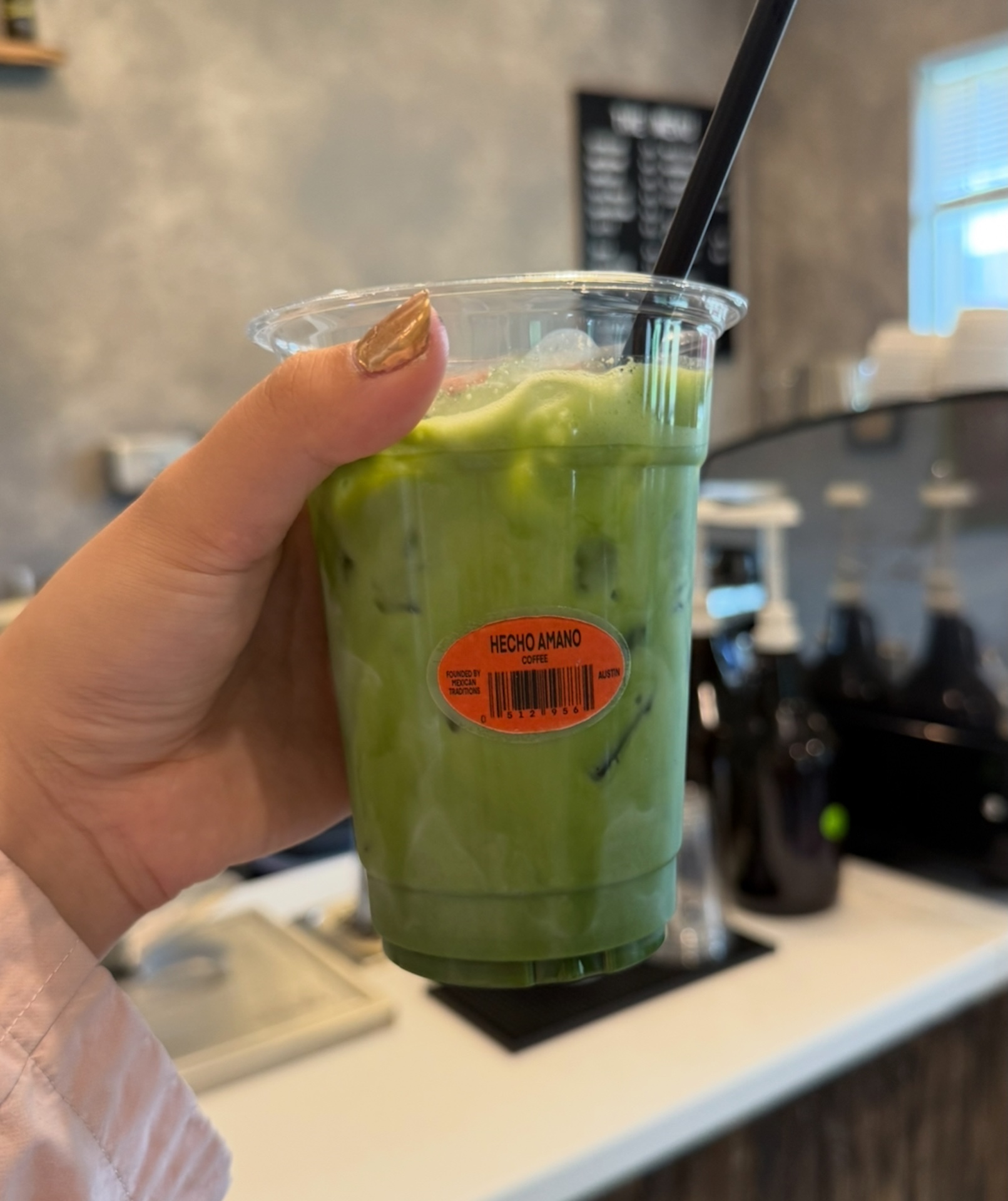
Hecho Amano is another spot I’d rank in the top two to four for matcha in Austin. They also source their matcha from Central Matcha, but what really sets them apart is the preparation. Every drink is whisked by hand with care, and he even uses a properly calibrated kettle in the back to bloom the matcha at the right temperature—something most places overlook.
Because of this attention to detail, the drinks come out balanced, earthy, and smooth, often with that subtle minty aftertaste I’ve mentioned before. There’s also a nice umami depth that lingers without being overly bitter. Honestly, it’s the skill and precision in preparation that make this spot stand out—he clearly knows matcha, and it shows in the cup.
Would the drinks be even better with a different matcha source? Maybe—but for now, the combination of good quality powder and excellent technique makes this one of Austin’s strongest contenders. Currently, Hecho Amano is operating through pop-ups while preparing to settle into a new food truck location, so keep an eye out for updates.
4. Caphe'in
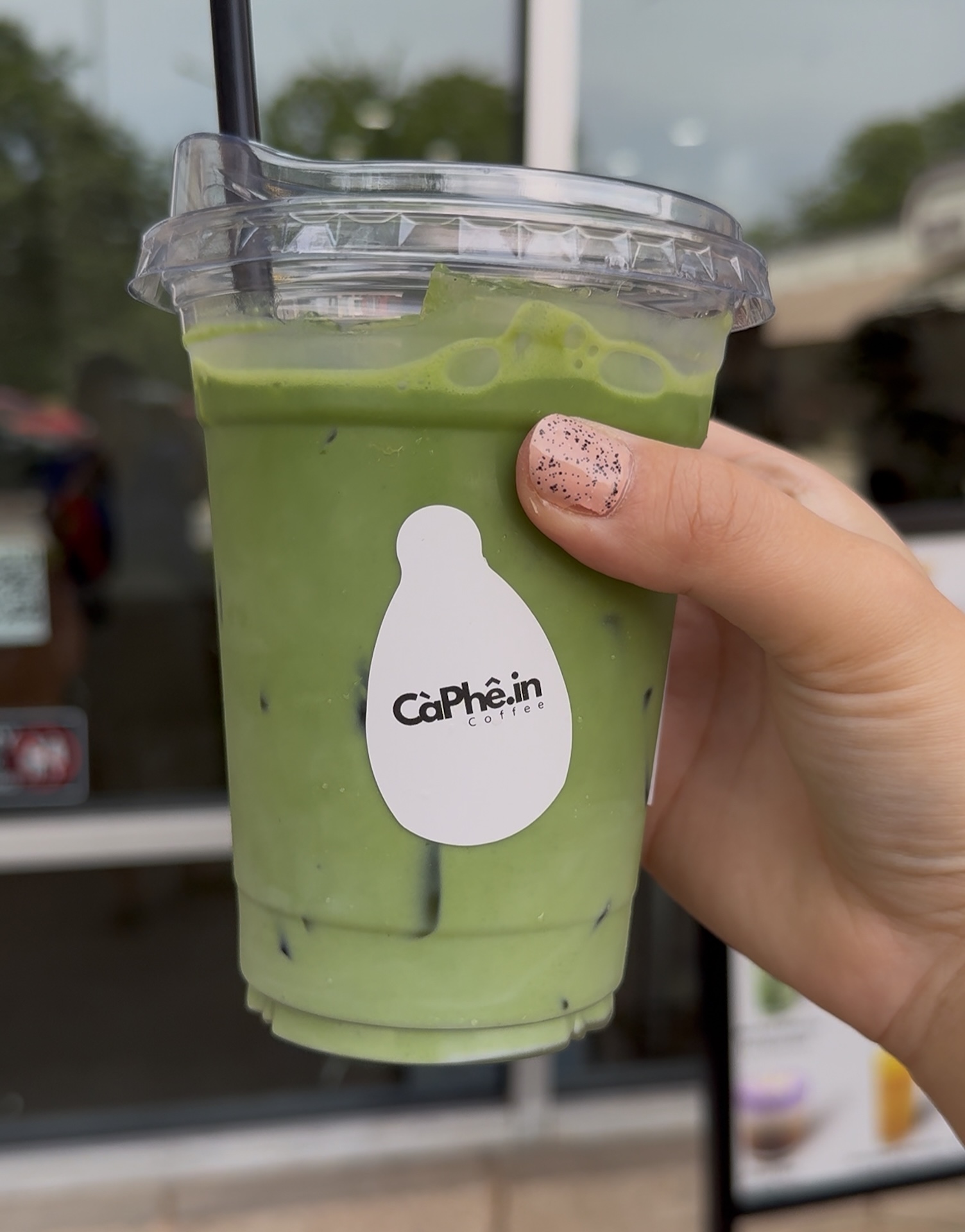
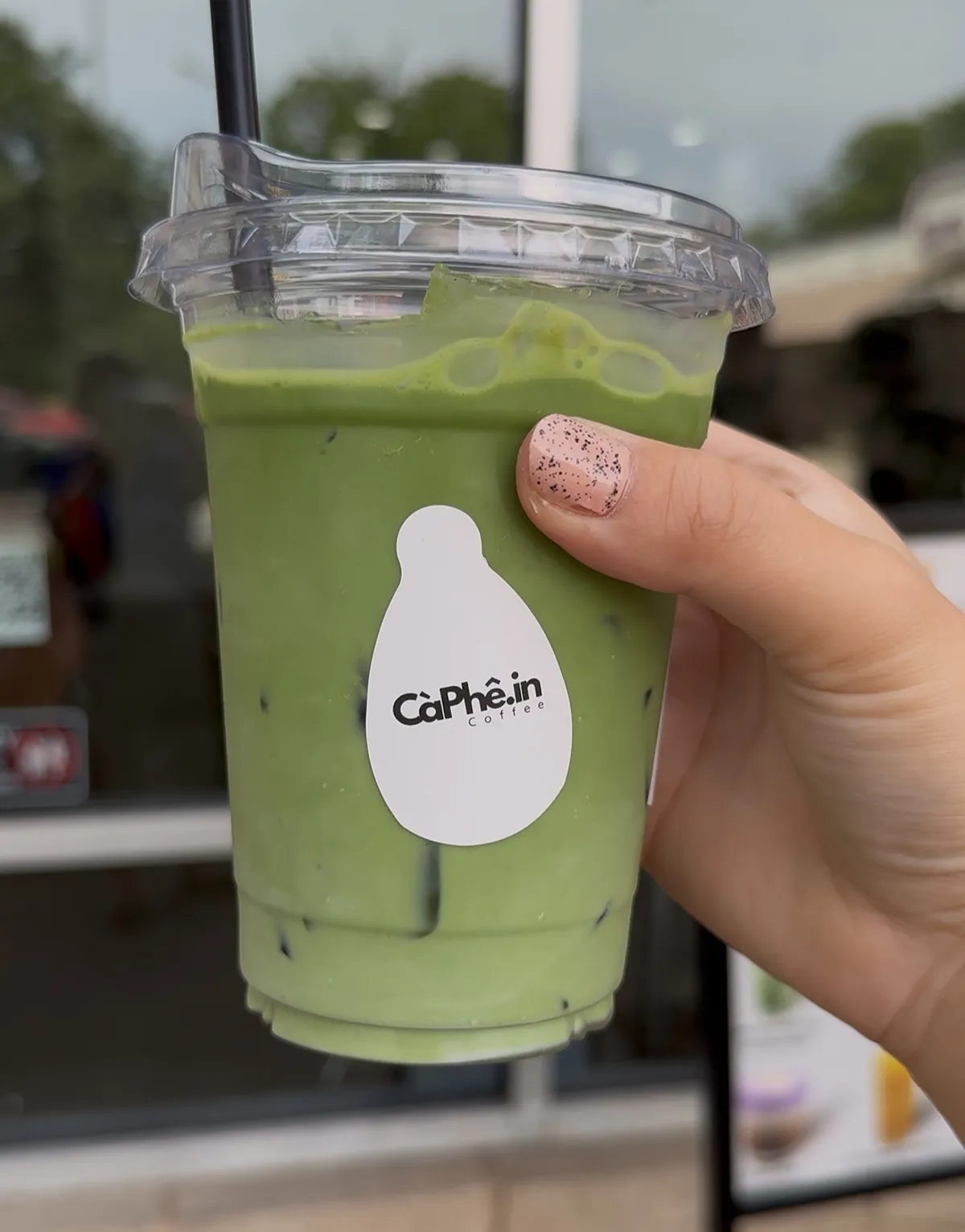
Càphê.in lands comfortably in my top three spots for matcha in Austin. What stood out right away was their transparency with where they source their matcha, they source directly from a farm in Shizuoka, Japan.
The matcha itself had a wonderful umami depth, balanced with a touch of bitterness that gave it character without overwhelming the palate. Their ratio of milk to matcha is clearly intentional slightly less milk than you might expect if you’re used to creamier lattes, but this allows the matcha to really shine through. The drink came out a bright, vibrant green, whisked fresh on-site before being poured into the milk.
So why not rank it first? The only downside was a slight inconsistency in whisking. There were a few clumps at the bottom of the cup, not enough to ruin the experience, but enough to notice. Still, the flavor was excellent, and overall, this is one of the better prepared and better tasting matchas in Austin.
Mori Matcha (Pop up)
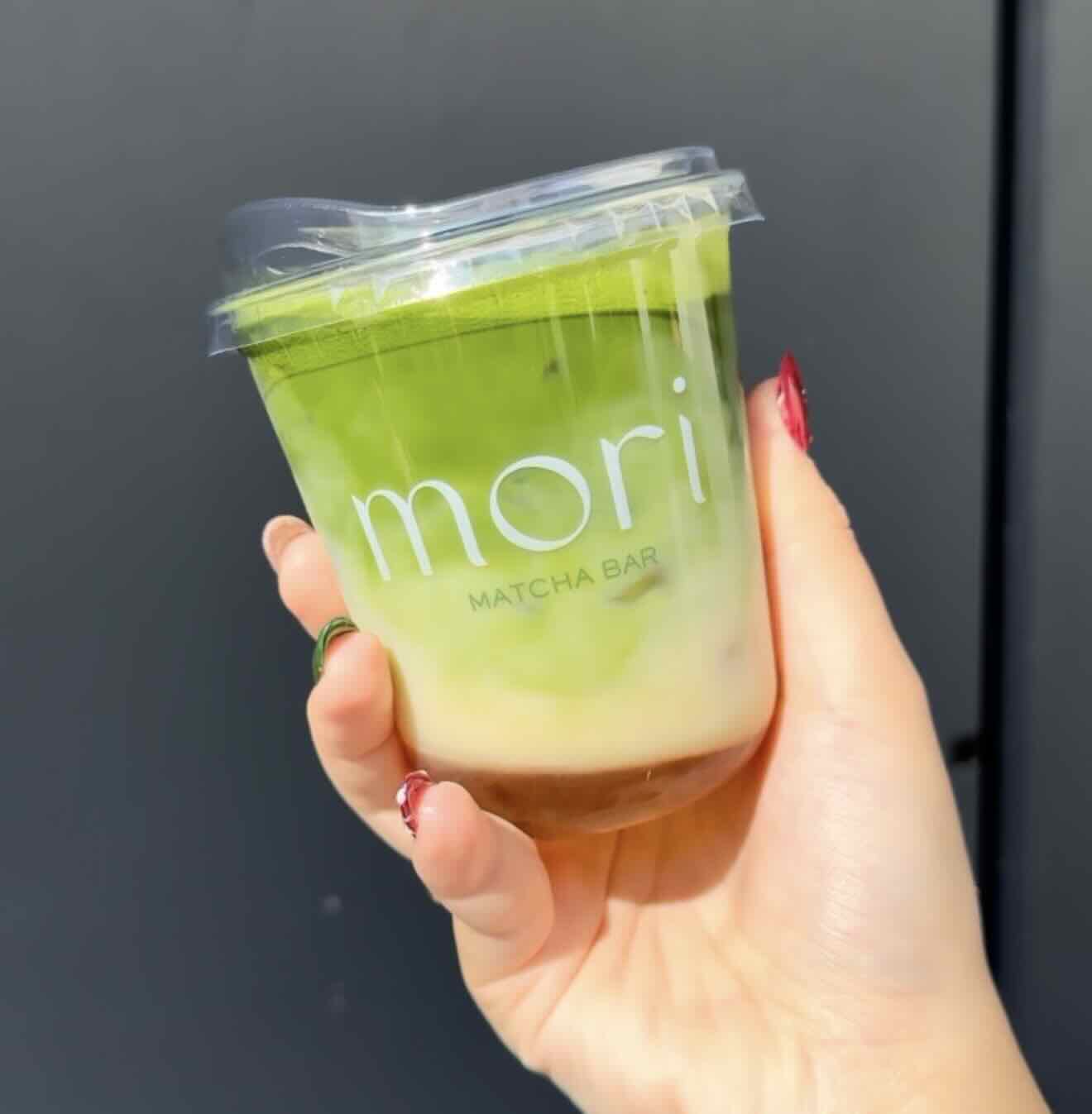
Mori Matcha is a very popular matcha pop up that regularly appears around Austin, and I’ve tried their drinks on multiple occasions. Overall, I actually really enjoy their matcha.
What I appreciate most is that the matcha flavor genuinely comes through in their drinks. They use proper whisking technique, and the drinks contain a fairly generous amount of matcha, which gives them a stronger and more noticeable flavor compared to many other spots around town.
The main thing I would recommend is possibly asking for less sweetness, because depending on the drink, some of the syrups can slightly overpower the matcha itself. Even so, across the different times I’ve tried them, I’ve consistently felt that the quality of the matcha remained noticeable and well executed.
Dam Coffee Bar
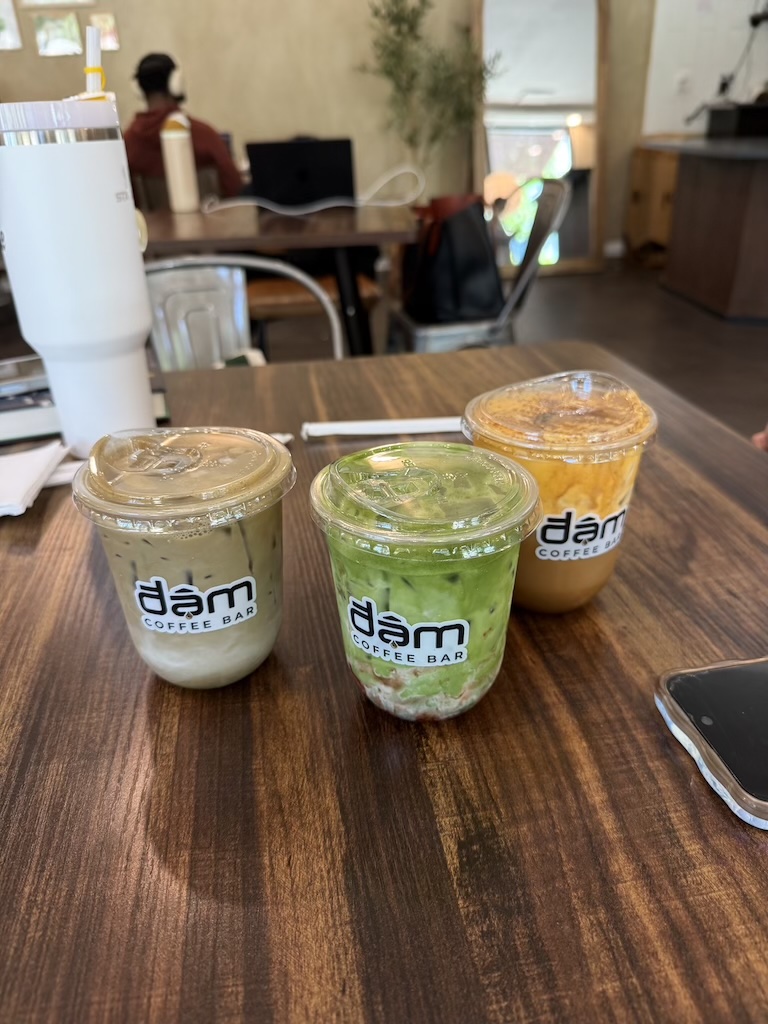
More recently, I went back to review Dam Cafe. On my first visit, I only tried their coffee, and unfortunately, I wasn't a big fan of it.
However, when I returned to try their matcha, I was actually pleasantly surprised. Their matcha was really solid. You could taste the umami and richness of the matcha, and even with the addition of milk and sugar, the actual matcha flavor still came through really well.
For those reasons, I would put Dam Cafe among some of the better matcha spots in Austin. If you're looking for a matcha where you can actually taste the quality of the tea, this is definitely a place worth checking out.
Sugar Wolf
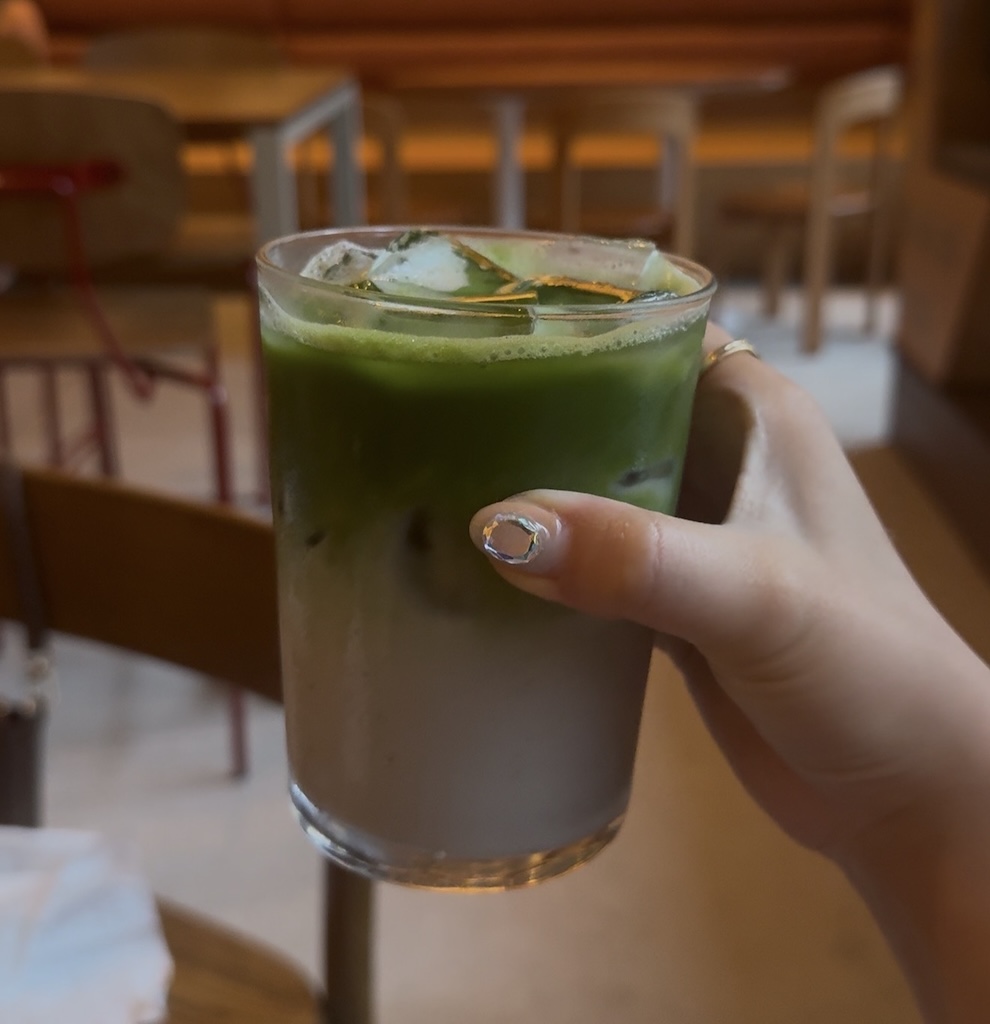
Sugar Wolf Bake Shop actually surprised me with their black sesame matcha. Normally, I do not gravitate toward flavored matcha drinks because I prefer tasting the matcha itself, but this was one they specifically recommended.
The drink was made with whole milk, and I was pleasantly surprised by how well balanced it was overall. The matcha was whisked properly, and you could still taste the creaminess and umami notes of the matcha coming through clearly. The black sesame complemented the drink rather than overpowering it.
You could even see little flecks of black sesame floating throughout the drink, and once everything was mixed together, it incorporated very nicely. Overall, we really enjoyed this one. The black sesame added depth and nuttiness while still allowing the matcha itself to remain the focus of the drink.
Stinky Baby Matcha
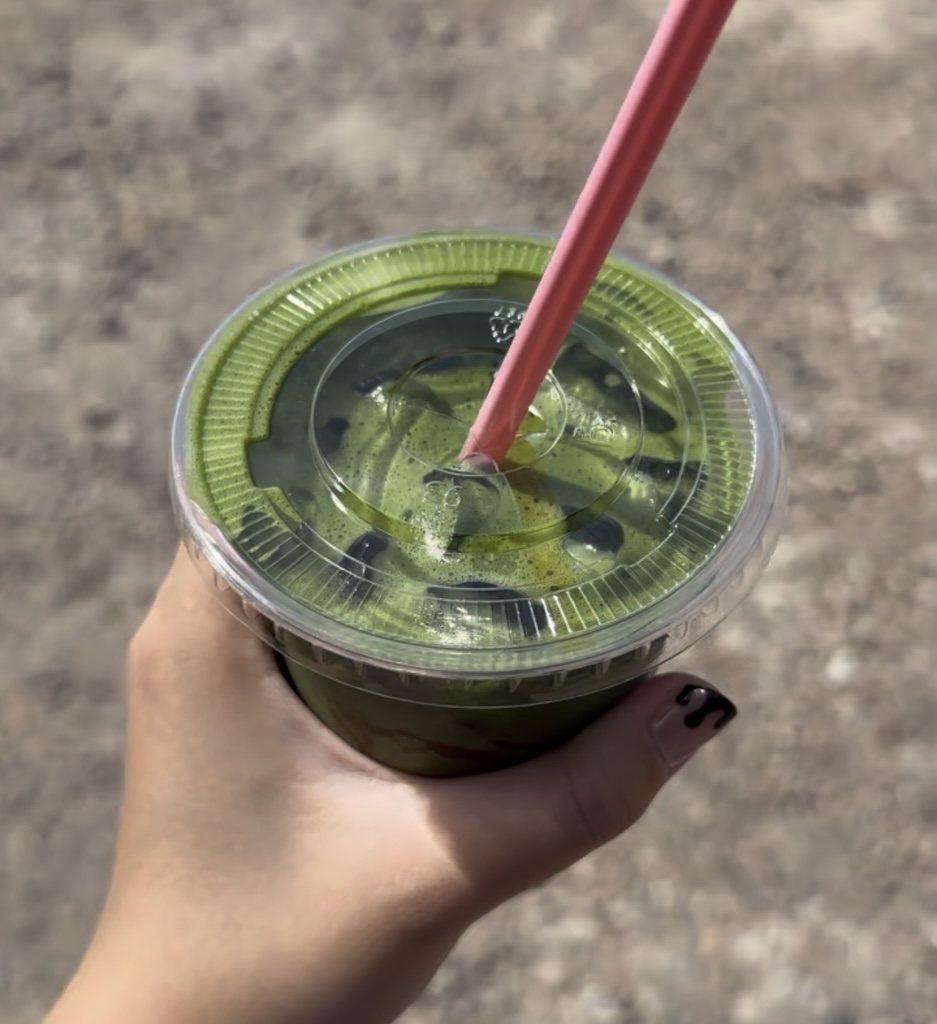
Full disclosure, this pop-up is actually run by my sister, who taught me almost everything I know about matcha, including what high quality matcha should taste like and how it should properly be prepared. When I started putting together this guide and reviewing matcha spots around Austin, she was one of the main people I consulted throughout the process. I would personally consider her extremely knowledgeable when it comes to matcha preparation and sourcing.
One frustration she mentioned when starting her pop up was that whenever she used higher quality matcha or more generous amounts of matcha in drinks, some customers would actually dislike it because they were unfamiliar with the stronger flavor profile and perceived it as too bitter.
I do know where she sources her matcha and she cares deeply about quality. She pays attention to proper whisking technique, water temperature, preparation methods, and overall balance within the drinks. She regularly hosts pop ups around Austin, and based on feedback I’ve seen from others, many people seem to genuinely enjoy her matcha.
Personally, I also think the drinks are very well executed. You can clearly taste the matcha itself, and she also rotates seasonal flavors throughout the year. That said, because of the personal relationship involved, I think it’s important to fully disclose that connection when discussing or recommending the pop up.
Tier 2: Mid Tier But Passable
These are the ones where the Matcha is less obvious but you can still kinda taste it.
Central Matcha
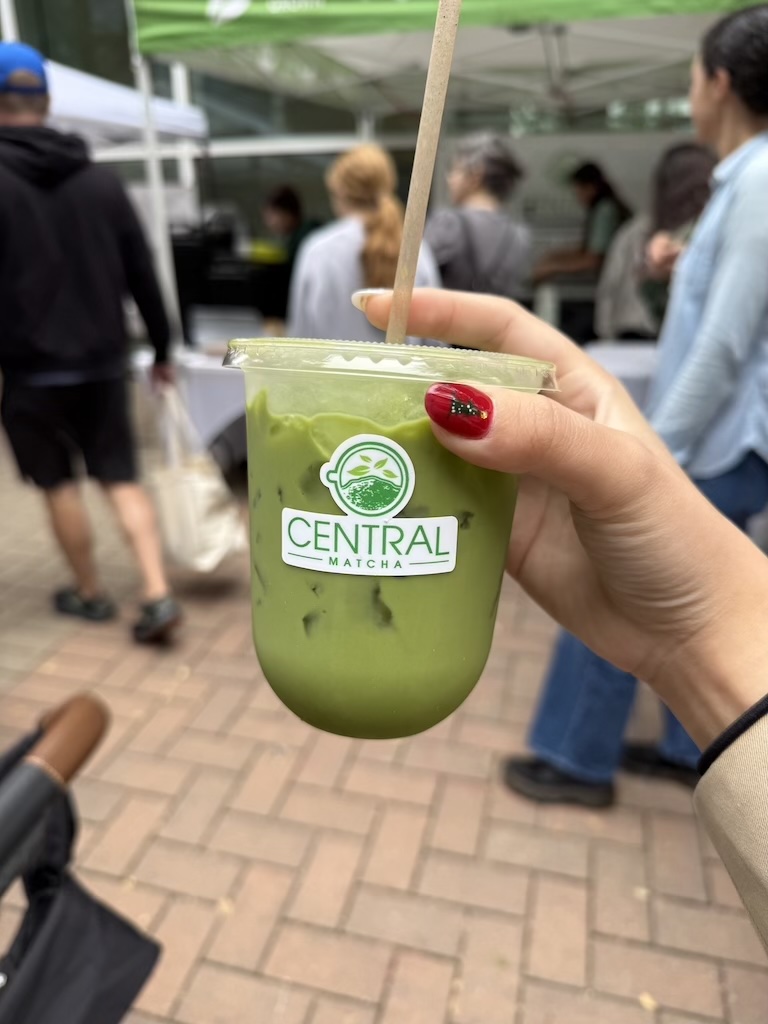
Central Matcha is probably one of the most hyped matcha spots on this list, which makes this opinion a bit controversial. Their drinks are pre batched, which I do not necessarily think is a problem on its own, but they are only served one specific way. They come with a preset sweetness level and use oat milk by default, without offering whole milk as an option.
From my experience, you could still taste the matcha itself, and it had that slightly fresh, almost minty quality that good matcha can sometimes have. However, I personally felt the oat milk ratio overwhelmed the drink a bit and muted some of the matcha’s depth and creaminess.
That said, I do really admire what they are doing for the Austin coffee community. They source their matcha directly from Japan and also support many local businesses around Austin by supplying them with matcha. For that reason alone, I can understand why they have developed such a strong reputation locally. If you prefer the less strong matcha and more oat milk flavor then this is your spot.
Strange Love
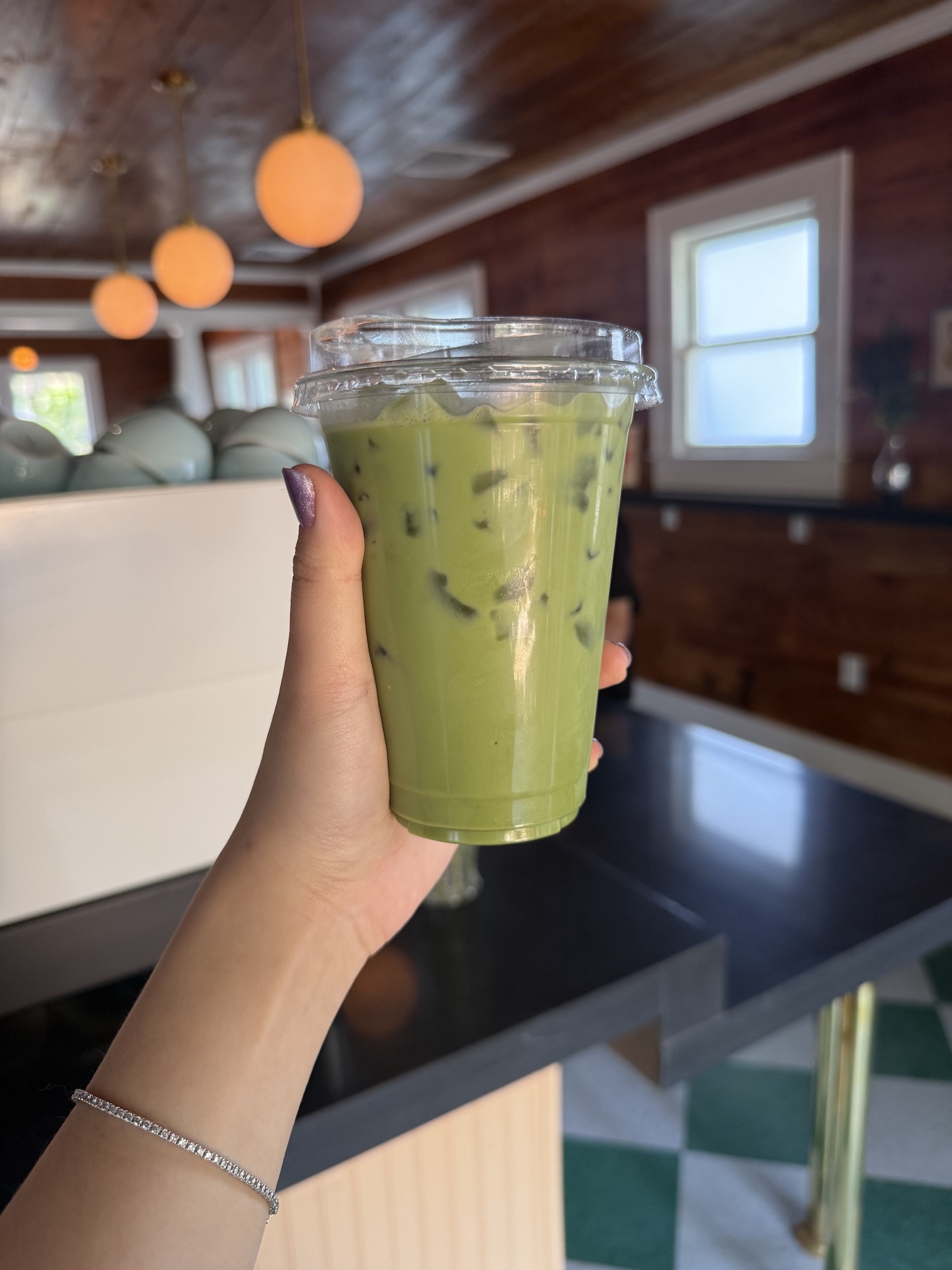
The matcha here isn’t necessarily the strongest in Austin. You can taste some umami, bitterness, and earthiness, but it’s not as pronounced as spots like Desnudo or Caphe.in. This lighter profile might actually work for people who don’t typically enjoy bold matcha flavors and instead prefer the sweeter, milk-forward balance. In that sense, it’s a good entry-level option—offering just enough of that matcha experience without overwhelming those who lean more toward the creamy side.
Two Hands
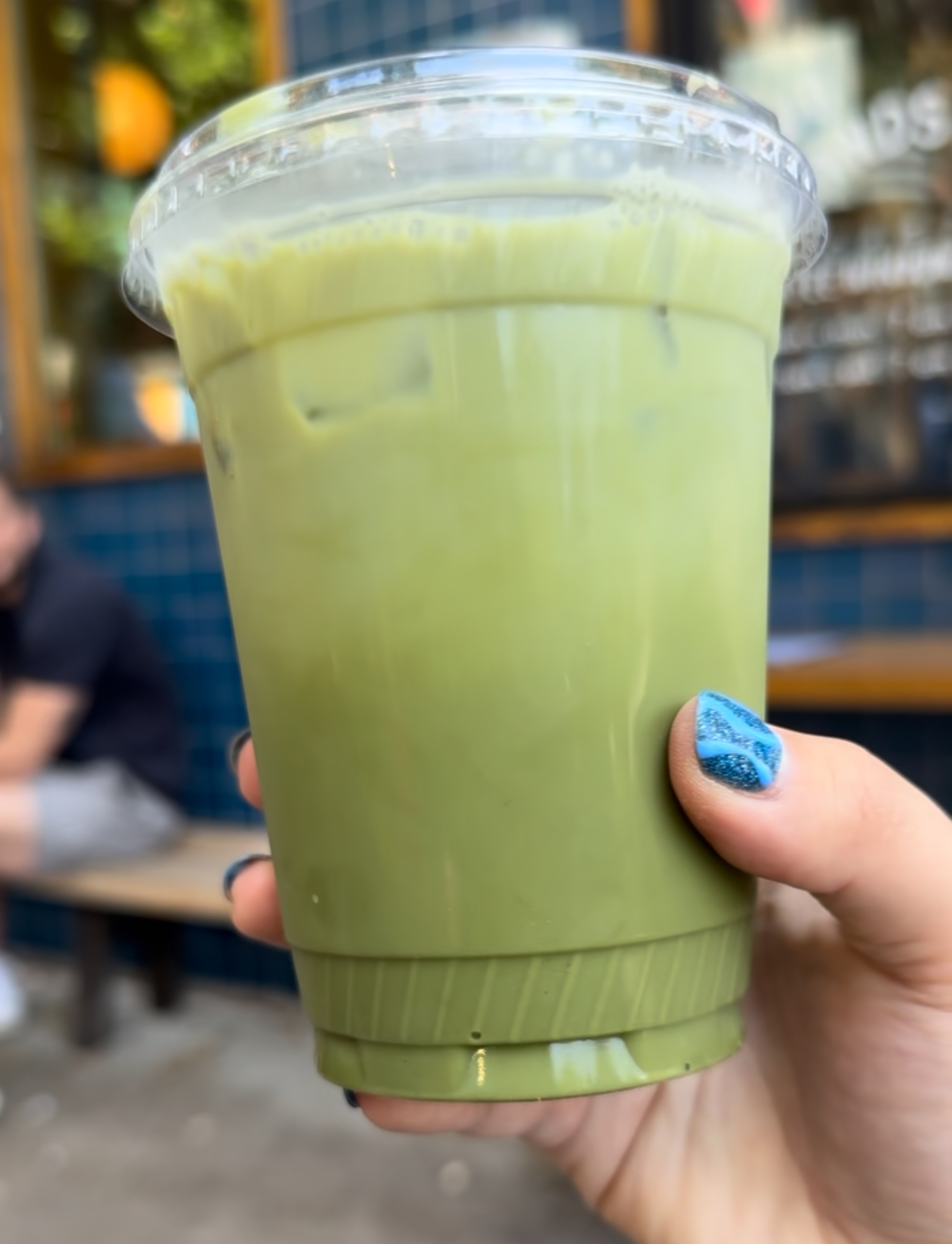
Two Hands is a bit of a mixed bag for me. My husband and I have tried their matcha several times in the past and usually found it passable. When we’re on South Congress, we’ll occasionally order it, but it’s never been a standout. During our matcha crawl, however, we ordered their rose matcha ($9), and to our surprise, we actually really liked it—not because the matcha itself shined, but because the rose flavor was delicious. That said, this makes the review a little biased since it was more about the added flavor than the quality of the matcha itself. Their regular matcha latte is still just “fine” and not something I’d recommend if you’re a serious matcha connoisseur. The matcha here is a tad too bitter but if you get a flavored drink it hides it well.
Lala Land Kind Matcha

La La Land Cafe is a viral matcha cafe that just opened on South Congress in Austin. I had tried them in Dallas just a couple of weeks before visiting the Austin location, and honestly, I was pretty underwhelmed at first. The matcha latte in Dallas was pale, milk heavy, and had almost no real matcha flavor.
In Austin, I decided to give them another chance and tried a few drinks, including their matcha latte again and their signature Matcha Squared drink. The latte was unfortunately the same, too light, overwhelmed with milk, and lacking flavor. But the Matcha Squared was a completely different story. It comes with a creamy foam topping, double matcha inside, and actually delivers that earthy, umami richness you expect from a proper matcha. They also source their matcha from Uji, Japan, which makes sense once you taste the difference in this drink.
As for their other flavored options, like strawberry or banana, they were so faint you could barely taste either the fruit or the matcha. The move here is clear: if you want a true matcha experience at La La Land, stick to the Matcha Squared.
Kyoko Coffee
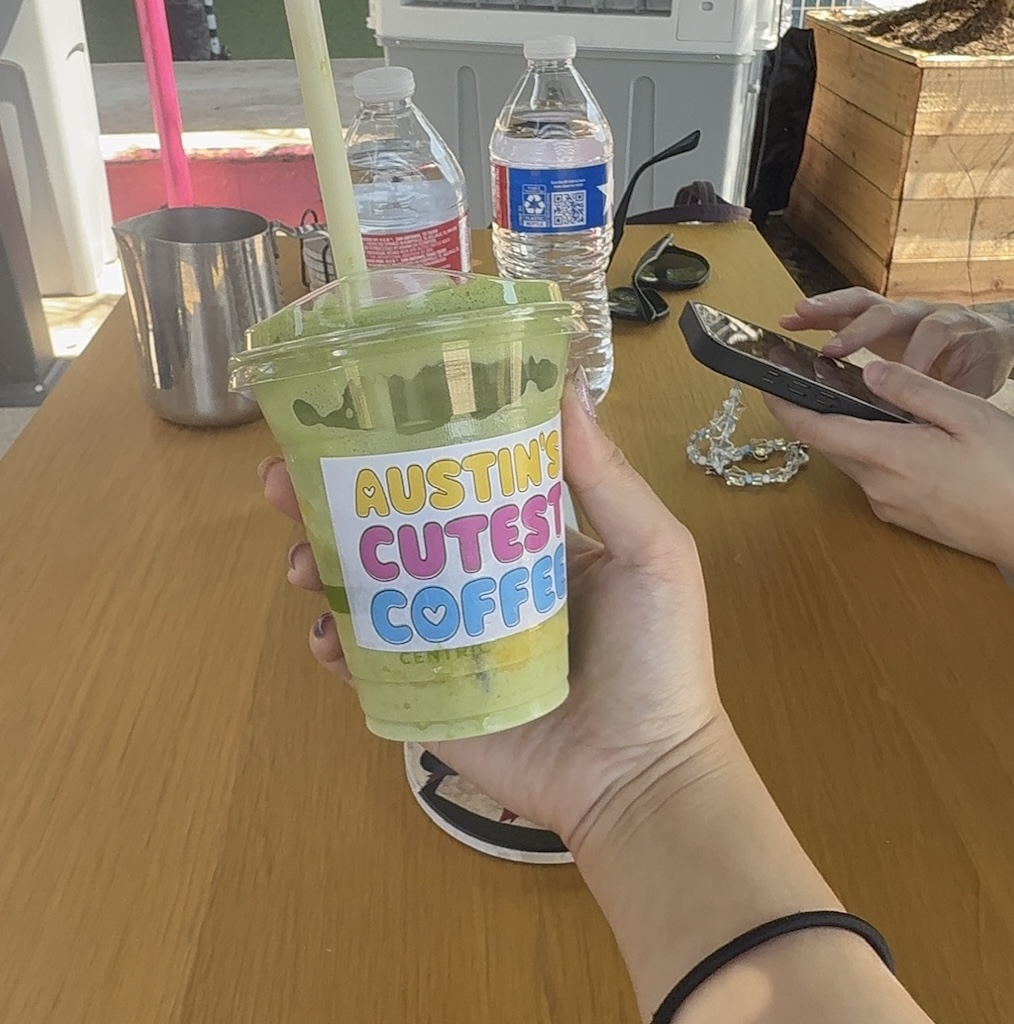
Kyōko Coffee is another highly rated drink spot in Austin, and a lot of people specifically recommend their matcha. When I visited, there actually was not a plain matcha latte listed on the menu. The owner was very friendly and strongly recommended the mango matcha instead, specifically with oat milk.
Although I originally wanted a plain matcha latte to better evaluate the quality of the matcha itself, I decided to go with his recommendation. They source central matcha similar to many other specialty coffee shops in Austin, and the owner clearly seemed knowledgeable about matcha storage and handling practices.
That said, I did notice they used an electric milk frother to prepare the drink, which from my experience can sometimes lead to less ideal incorporation and texture compared to more traditional whisking methods.
In terms of flavor, though, the mango matcha was actually enjoyable. The mango flavor was well balanced and made for a very pleasant drink overall. It leaned more toward a dessert style beverage rather than a pure matcha forward experience, but it worked well in that context.
I did later post my review, and the response from the owner did not seem particularly happy with my feedback. Still, I think it’s important to separate what type of experience you’re looking for. If you’re someone deeply focused on matcha quality itself or are a major matcha enthusiast, this may not be the spot I would personally recommend. However, if you simply want a tasty and approachable specialty drink, I could see why many people enjoy it.
Junbi
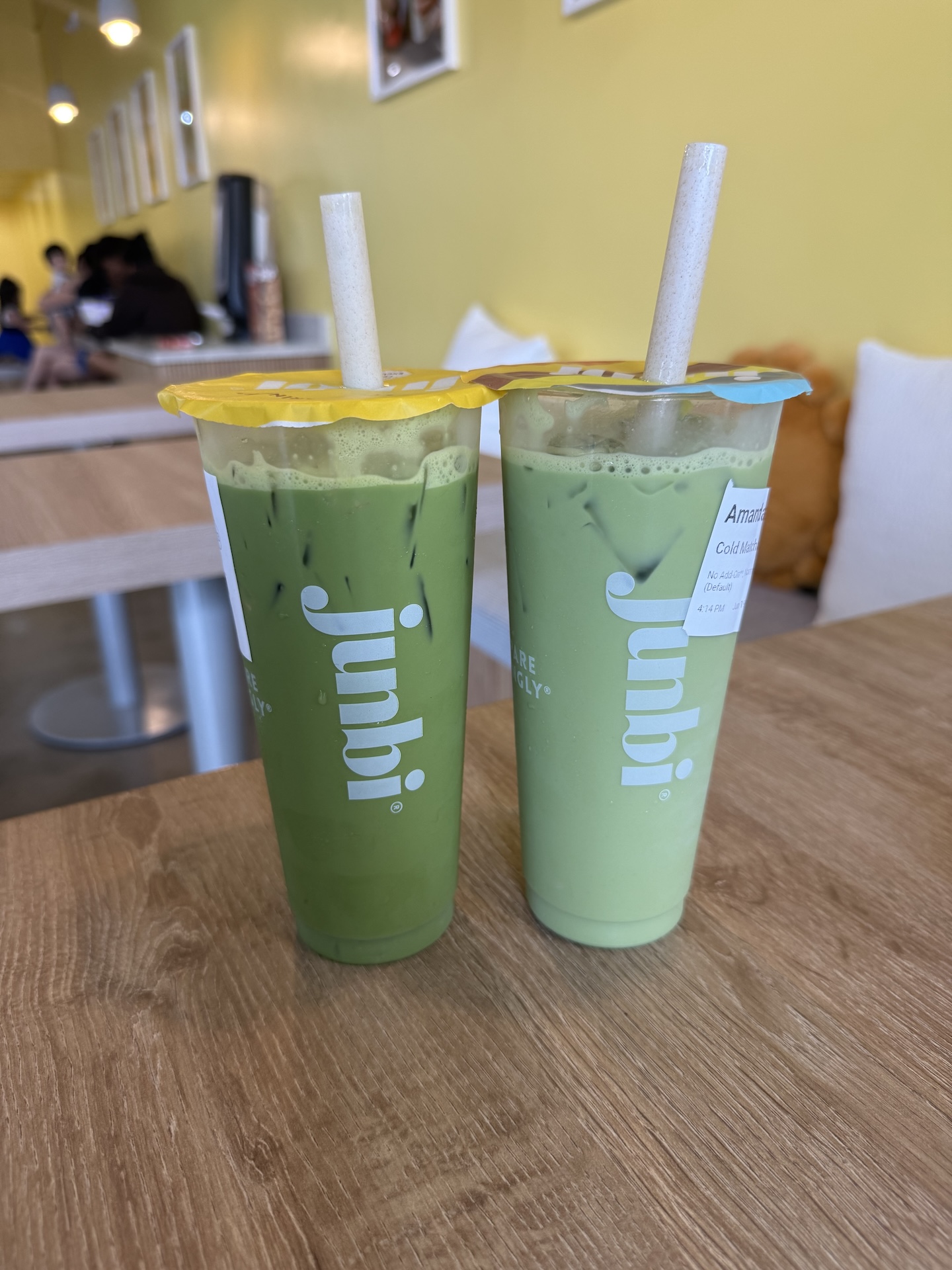
Junbi is another matcha chain where I found the experience very similar to La La Land Cafe. The main issue is that their matcha latte is extremely light—pale in color, majority milk, and with almost no noticeable matcha flavor. On its own, it wouldn’t score well at all.
We also tried their seasonal Sakura Lychee Matcha Latte, and this one was noticeably better. I was told they add extra matcha powder to this drink, and it showed, you could actually taste a bit of the umami and grassy notes of matcha, though still not nearly as complex or bold as places like Desnudo or Caphe.in.
Interestingly, I later got a message from the business saying that they purposely lean toward more milk and less matcha in their lattes, but add more matcha in their fruity drinks. They also suggested that customers can request extra matcha in their latte if they want a stronger flavor.
For me, that’s the problem—without enough matcha powder, the drink just tastes like milk with green food coloring. And while I don’t need my matcha to be overly bitter, I do want enough of it so you can actually taste the tea.
Manana
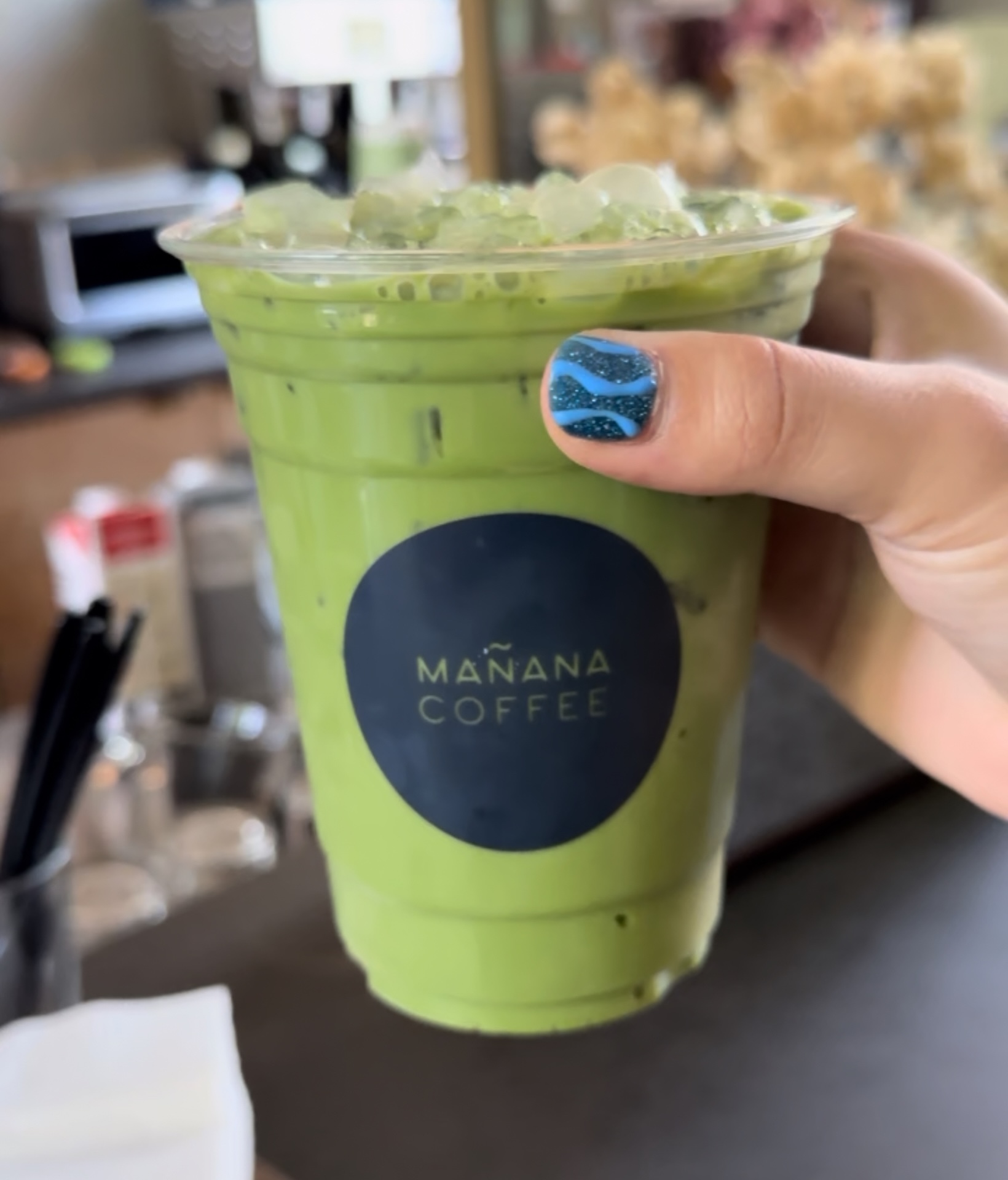
Manana on South Congress is best known for its coffee, but plenty of people also love their matcha—and honestly, I can see why. Unlike some spots that hand-whisk each drink, Manana actually batches their matcha and stores it in squeeze bottles.
There’s always debate about batching: some say it “ruins” the matcha, while others argue it creates a smoother, creamier drink since it’s blended well ahead of time. Hand whisking can be great when done properly, but it also leaves more room for error like clumps or uneven flavor. At Manana, the batching is done with decent ratios, so the drinks come out smooth and easy to drink.
That said, the flavor is on the lighter side. You’ll get just a touch of earthiness and umami, but it’s more of an entry-level matcha latte. Similar to Strange Love, it works for people who want a gentle introduction to matcha without bitterness. But if you’re a true matcha connoisseur looking for depth and complexity, this one will probably feel underwhelming.
Still, for the average Austin crowd, it’s creamy, approachable, and very drinkable, so I understand why it’s so popular.
Need To Re Review
These are the ones I consider oxidized, way too much milk, or basically you can't taste the matcha! These are the ones that taste like green milk.
Lamp Love Matcha
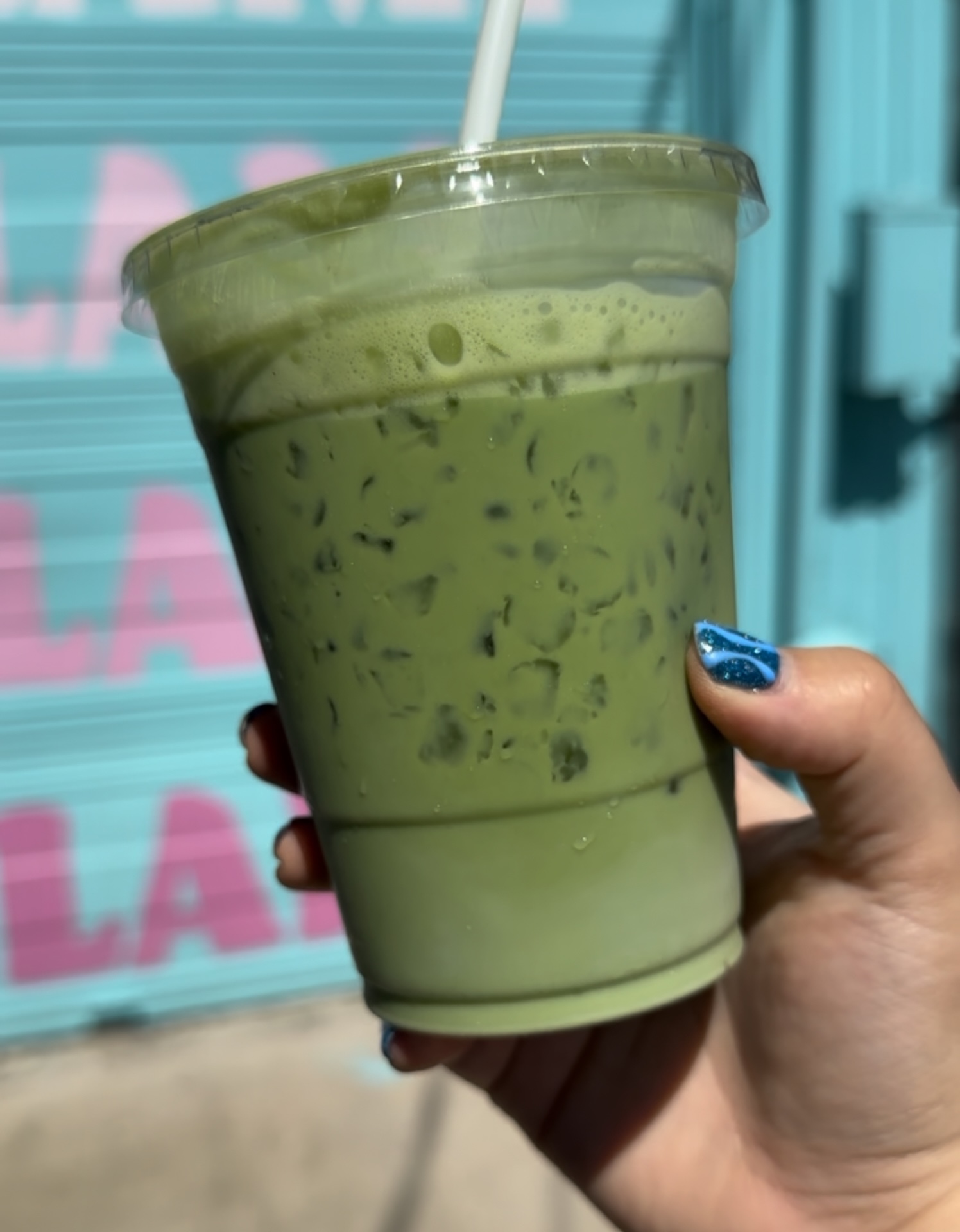
Love Lamp Matcha is one of Austin’s only dedicated matcha spots with two brick-and-mortar locations. Naturally, we had high hopes since so many people rave about it. The staff here actually hand-whisks each drink to order, which I really appreciated. We tried both the matcha limeade and our go-to half-sweet matcha latte.
The issue for me came down to balance. The drinks are served in a 16-ounce cup, and while the matcha was prepared correctly, there just wasn’t enough of it. All I tasted was milk. At $7 a drink, I was expecting something a little bolder and more matcha-forward. If they had simply added more matcha or reduced the milk, it would’ve been much closer to what I was looking for.
That said, Lamplight clearly has a strong fan base. After sharing my thoughts, plenty of people chimed in saying they love it. So maybe this one comes down to personal preference—but for me, I want my matcha to actually taste like matcha.
ThoroughFare
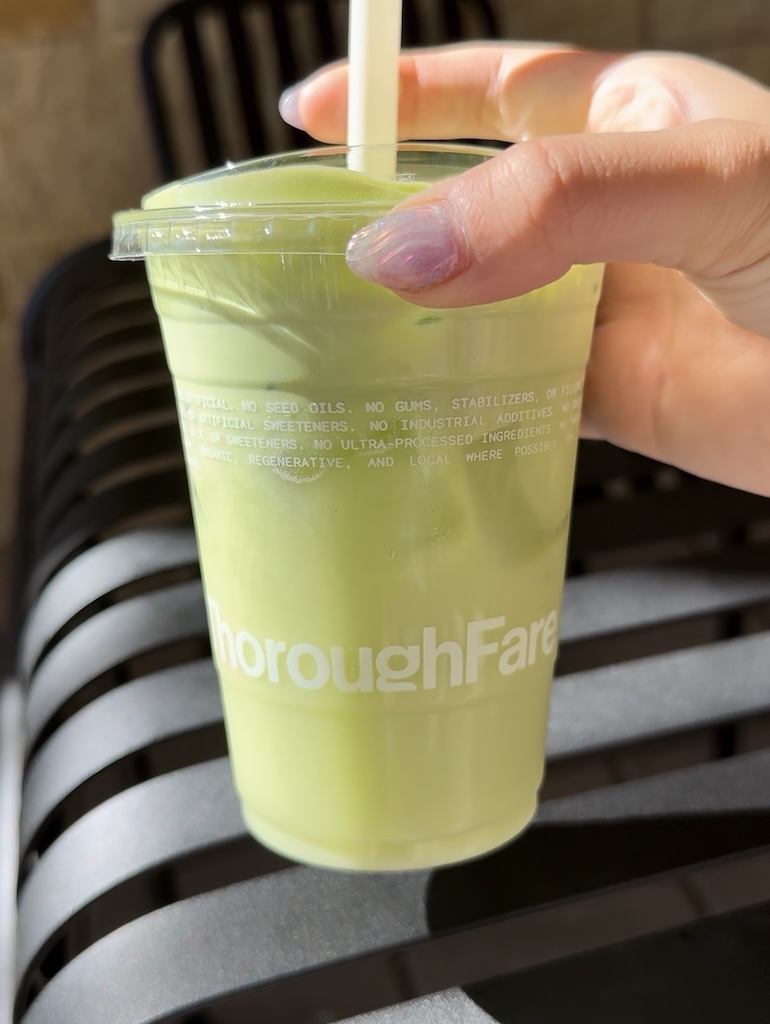
This is a grocery, bakery, and drink concept that recently opened in the Mueller neighborhood. A lot of people have been recommending their matcha drinks, and the main recommendation I received during my visit was their matcha cloud drink.
I’ve had matcha cloud-style drinks before, especially at Caphe In, where they still manage to maintain a strong matcha flavor despite incorporating foam into the drink. Unfortunately, that was not the case here.
This drink had virtually no matcha flavor at all. Because it was made with coconut juice, the coconut flavor completely dominated the drink, and overall it just did not come together well for me. The drink lacked balance and didn’t really showcase the matcha itself in a meaningful way. For that reason, I personally would not recommend it.
I’m also not entirely sure how I feel about the restaurant’s “no seed oil” branding and messaging.
Black Fox Coffee
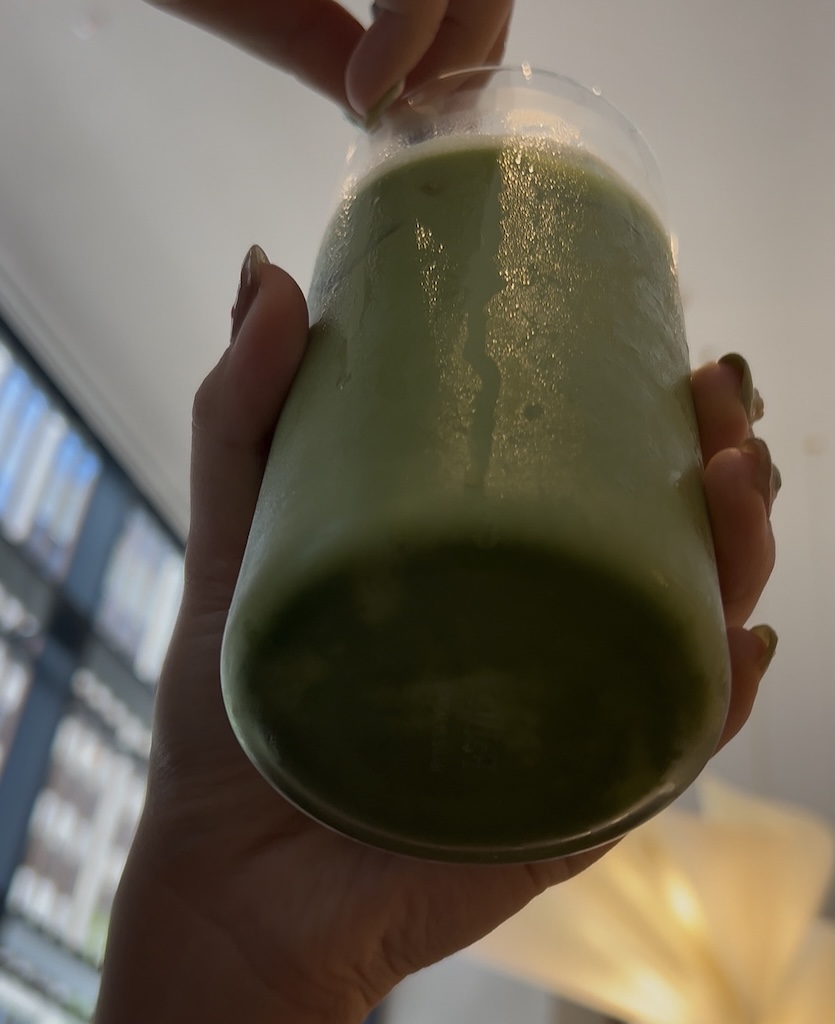
Personally, I thought the matcha at Black Fox Coffee was a huge miss. I ordered a plain matcha latte with oat milk instead of whole milk, which is unusual for me since I normally prefer whole milk, but I wasn’t feeling dairy that day. The total came out to around $9, which feels fairly steep for a plain matcha latte, although they are located downtown with fairly limited seating. Unfortunately, I could barely taste the matcha itself. When I looked toward the bottom of the cup, I realized most of the matcha powder had settled there because it wasn’t properly whisked into the drink. I noticed they were using an electronic whisk, so I’m not sure if the spinning motion versus the traditional whisking technique affected the incorporation, but the texture and consistency were definitely off. Because of that, I would personally skip the matcha here for now.
Civil Goat Matcha
Out of all the matcha lattes we reviewed, this spot (on Guadalupe) unfortunately showed the most technical problems in preparation. Right away, we noticed their matcha powder was stored in glass containers, which isn’t ideal since matcha needs to be kept in the dark to prevent oxidation. The powder already looked dull and oxidized—almost a brownish-green rather than a vibrant green.
When preparing the drinks, they used boiling water straight from a hot water machine to bloom the matcha. That kind of high temperature tends to burn the matcha, leading to bitterness. On top of that, the worker was whisking three bowls at once for different drinks, which meant none of them were whisked properly. The result? The matcha came out in inconsistent shades of green, some nearly brown, and the drinks themselves tasted burnt and flat. Lots of clumps as well.
We tried their strawberry matcha latte with strawberry foam ($9) as well as a regular matcha latte, and both had the same issues: you could barely taste the matcha, there was a faint burnt flavor, and the bottom of the cup had lots of clumps from under-whisking. Combine that with the steep price point, and it just didn’t deliver.
Magik Matcha

Magick Matcha, located on South Congress, is very popular with influencers because of their Instagrammable drinks. We tried their signature Magick Matcha, which comes with oat milk, their blue magick blend (spirulina, coconut water, and salt), and a touch of vanilla syrup.
Unfortunately, this drink did not work at all. The matcha was very watered down—you could taste some bitterness, but the coconut water didn’t complement it at all. The flavors were unbalanced, and there was a weird, off aftertaste after drinking it, likely from the blue magick or spirulina. The coconut milk added a slight bitterness that didn’t need to be there.
Could you taste the matcha? Yes. Was it enjoyable? Not really. This drink is visually striking and Instagram-ready, but as a true matcha experience, it falls short. Personally, I wouldn’t pay for it again.
Leche
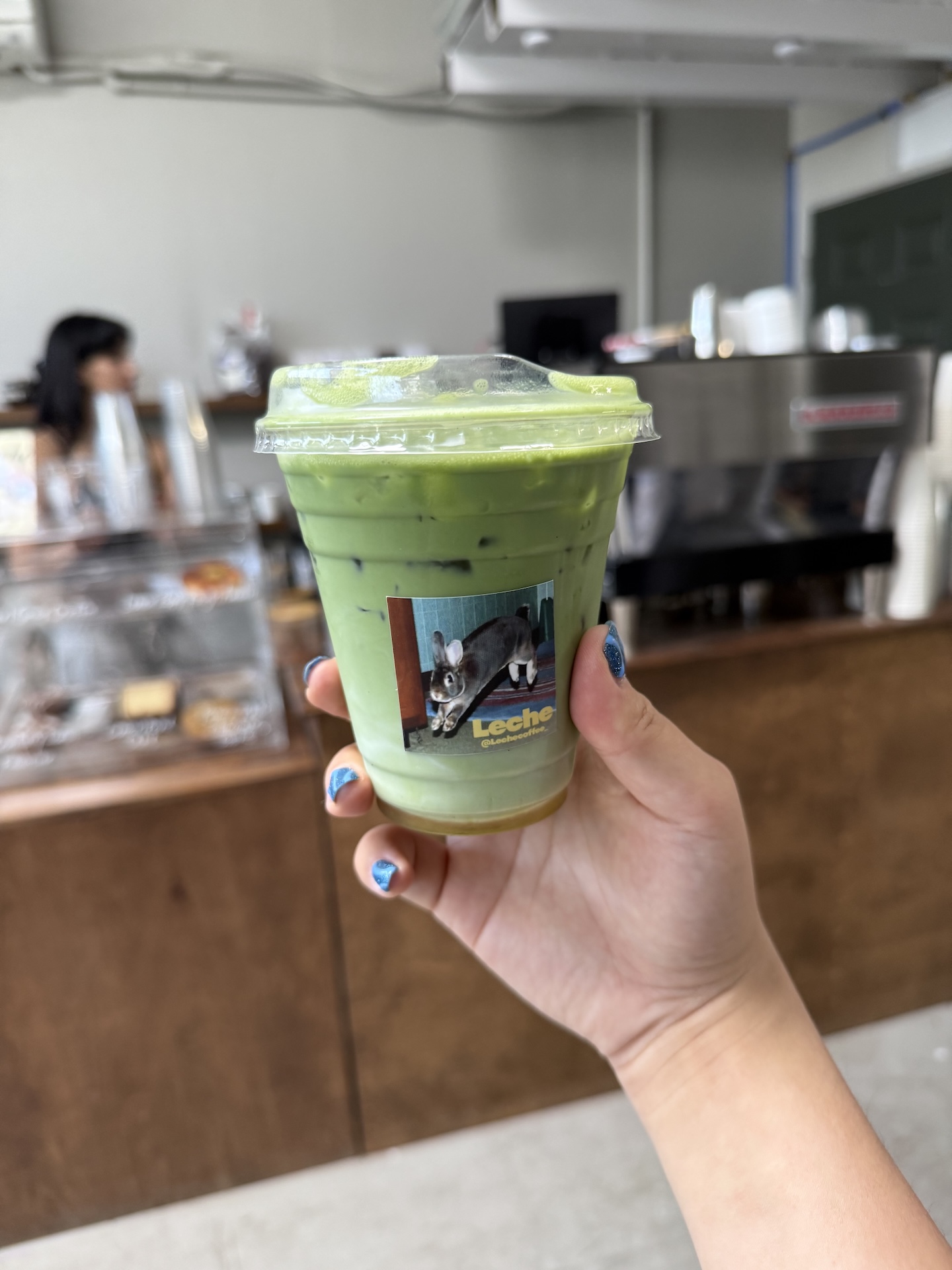
When I reviewed Leche Coffee, they were doing a pop-up inside a small vintage clothing shop. We ordered their matcha latte, half-sweet. While watching the preparation, I noticed they poured hot water from the boiler. The business later clarified that the hot water is only briefly used to bloom the matcha, and then they switch to properly tempered water for whisking.
Another thing I noticed was that they poured a generous amount of agave syrup into the drink before serving. When I tasted it, the matcha flavor was completely lost—likely a combination of being slightly burnt from the initial water and being overwhelmed by the sweetener. The business acknowledged that my drink may have accidentally had too much sugar, which could explain why it was so sweet.
Because of this, I think a revisit is necessary to see if their matcha, when made properly, is actually solid. I’ve also heard that their banana matcha is a fan favorite, so it’s definitely worth trying.
Cenizo

This was probably one of the most disappointing matcha experience of our Austin crawl, as we drove over 50 minutes to try it. Cenizo is a coffee food truck located in the Treehouse Park area, and they recently opened a second food truck location as well. We specifically went for their matcha, which many people had recommended.
At this location, they only offered flavored syrup options, so we opted for the lavender, which was the recommended choice. Surprisingly, our drink was already prepared and placed at the window within a minute of ordering. It appeared they used a small electric hand frother rather than hand whisking, which meant the matcha wasn’t properly integrated.
The drink had large clumps of matcha settled at the bottom, making it impossible to taste the matcha. The small amount that did mix into the milk was overpowered by the lavender syrup, and overall, it was not a satisfying matcha. The business later mentioned that it was likely a consistency issue and that they usually prepare it better, so it may be worth trying again in the future.
La Vi
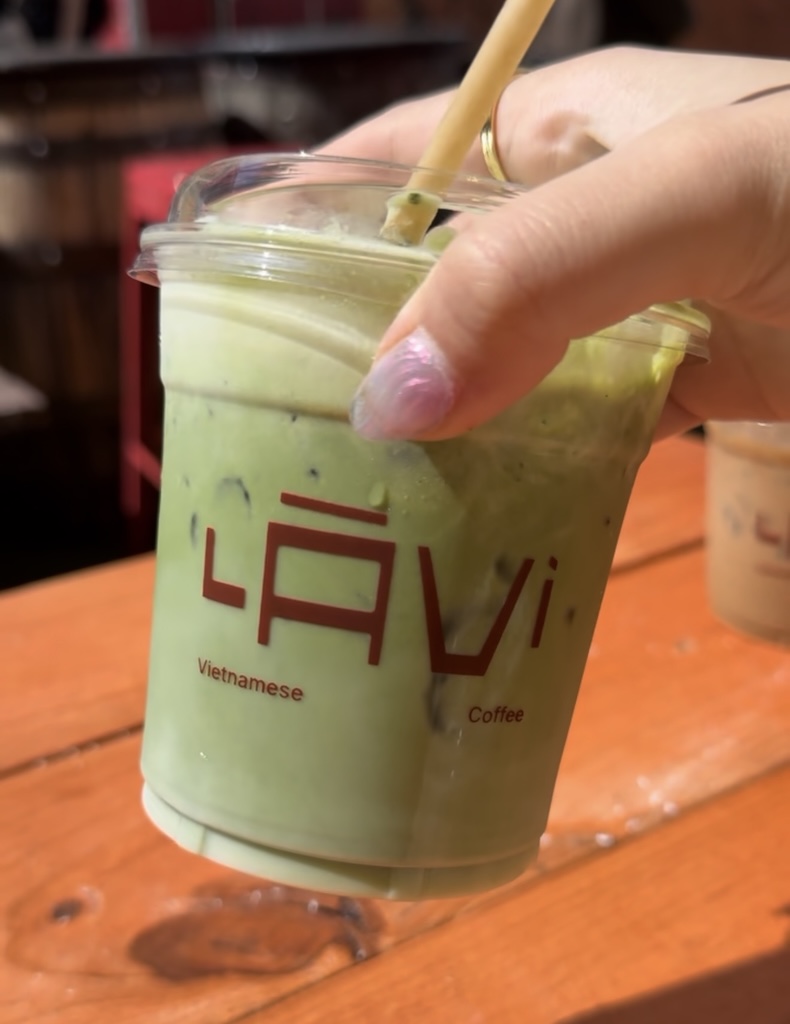
LaVi is known for their Vietnamese inspired specialty drinks, and this particular matcha drink came highly recommended to me as well. When I visited, they had only recently opened, so it’s possible they’ve fine tuned some of their drinks since then.
I ordered several drinks during my visit, and the matcha option that was recommended to me was the Matcha May Cloud, which comes with matcha, your choice of milk, housemade Earl Grey syrup, and cream topped ice. I originally wanted to order a more traditional matcha latte, but my friends were interested in trying this one instead.
Unfortunately, the drink ended up being exactly what I expected. I could barely taste the matcha at all, and personally, I didn’t think the drink worked particularly well as a whole either. Based on my experience, I probably would not come here specifically for matcha, but I could still see myself returning for their coffee drinks instead.
Noble Joe

Noble Joe’s came highly recommended as an affordable matcha option in Austin. Their drinks are priced at around $5, making it probably the most budget-friendly matcha we tried. We were advised to get their blackberry syrup instead of the standard simple syrup, which we did.
Unfortunately, this matcha did not taste like matcha at all. While you could detect the fruity flavor, the drink itself mostly tasted like milk with blackberry flavoring, lacking any of the umami, earthy notes that make matcha special.
For affordability, this is a decent option, but if you’re a true matcha fan, this probably isn’t the spot for you.
Ghoul Coffee
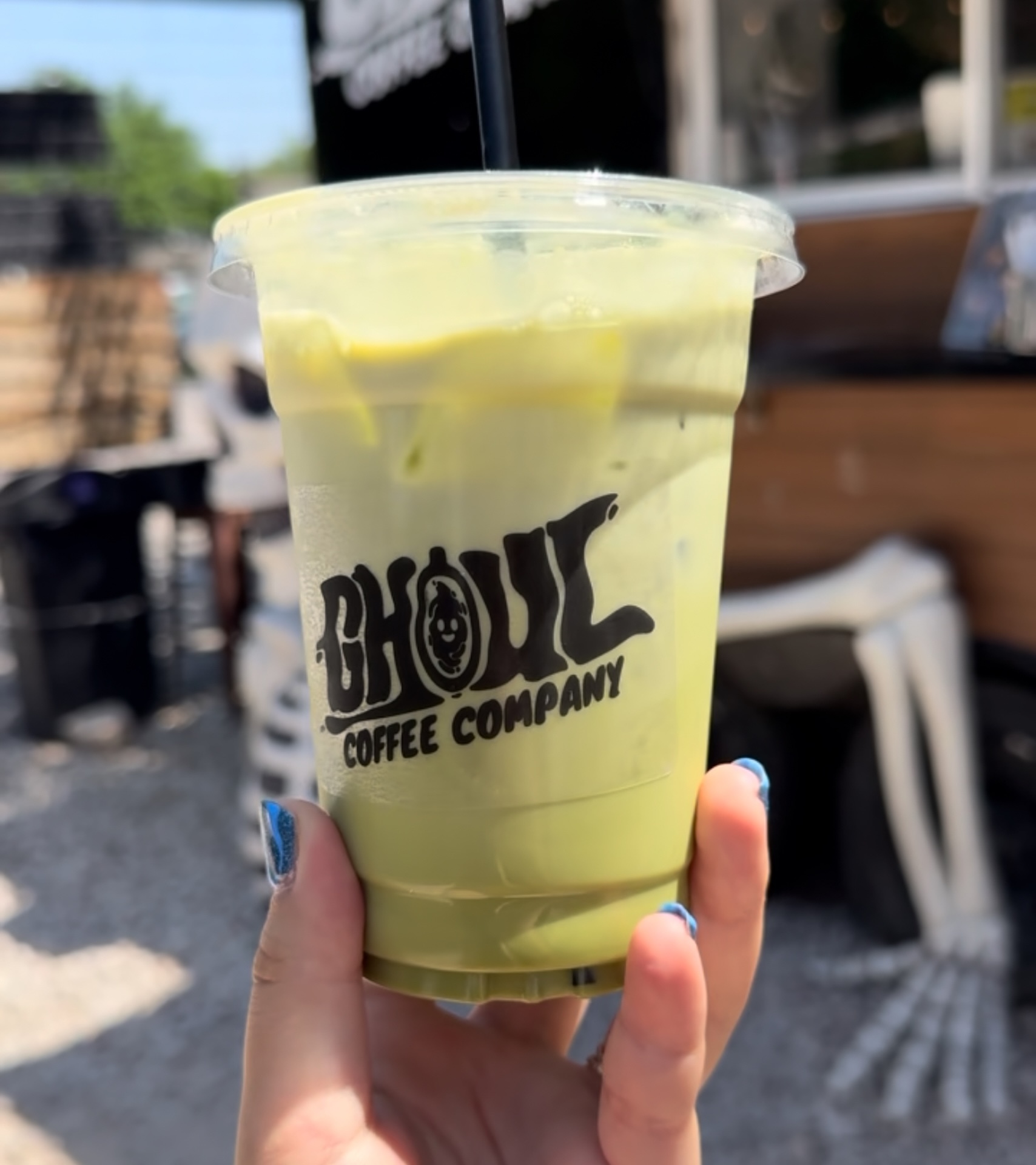
Ghoul Coffee is a prime example of when batching matcha does not go well. This spot came highly recommended, and we ordered their matcha latte, which was the only matcha option on their blackboard menu.
Unfortunately, this was probably my least favorite matcha of the entire series. The matcha was poured directly from a gallon jug with no whisking or preparation—it was already aerated. The result was a drink that was overwhelmingly sweet, almost like liquid Pocky, with almost no discernible matcha flavor. The color itself made it clear that matcha was nearly absent.
There didn’t seem to be any option to adjust the sweetness. After I posted my review, a few people mentioned that ceremonial grade matcha is available if specifically requested, but it wasn’t obvious on the menu, and it’s unclear why the standard matcha would taste essentially like candy-colored milk.
That said, Ghoul Coffee has many supporters, and they clearly excel at their coffee. As a small local business, I hope to see improvements in their matcha preparation in the future.
Paper Boy

Paperboy is one of the most highly recommended spots for matcha in Austin—but honestly, I don’t get it. Don’t get me wrong, I love Paperboy for brunch, but their matcha latte was a huge letdown. It tasted like watered-down milk with zero matcha flavor. It wasn’t sweet either, though they do give you sugar on the side—but that doesn’t fix the lack of actual matcha taste. My guess is that it’s such a popular brunch destination that people assume the matcha is good too, but I wouldn’t consider this one of the best matcha drinks in Austin.
I want to be clear that not all of these spots necessarily claim to have the best matcha in Austin, nor do they position themselves as matcha-focused cafés. When I spoke with many of the owners one-on-one, several mentioned that they primarily focus on coffee but added matcha to their menu because of its rising popularity. So, if a café’s matcha doesn’t shine, it doesn’t mean the business itself isn’t great—it just may not be their specialty. This guide is meant specifically for those seeking out the best matcha in Austin, rather than the best coffee shops.
Quick Reference
By Neighborhood
At a Glance
Explore more Austin guides
Keep Reading

Best Dog Friendly Restaurants in Austin, TX
As someone who loves dogs and owns a dog myself, I'm going to be covering the best dog friendly spots with the best food in Austin, TX
Read the guide →
Best Affordable/Cheap Meals in Austin, TX
This is my guide to those looking for the best cheap/affordable meals in Austin! This is a guide for those who don't want to compromise flavor for cheap eats!
Best Italian Restaurants in Austin, TX!
This is my guide to iItalian spots in Austin, TX. As someone who has traveled to Italy and LOVES Italian Food.
Best Healthy Restaurants in Austin, TX
These are my go to spots for healthy or protein packed meals for those trying to be healthy! Bonus is they also taste good!