
Best Travel Guide to Jeju!
Last updated June 11, 2026
This is my travel guide to Jeju Island. I didn’t really know what to expect when I first planned my trip here, and honestly, it can feel a bit overwhelming at first.
That said, if you put in the effort to plan your trip, it’s absolutely worth it. Jeju is one of those places that really delivers, and you’re going to have an amazing time.
Sample Itinerary Below
April 13th Monday jeju
- Camellia Hill
- Put name on list for yeondon
- Osulloc tea museum (cafe food)
- Gojjiwal Forest
- Lunch at yeondon
- Anduk Waterfall right next to Airbnb
- Cafe next to Airbnb
- Rest at Airbnb
- Dinner at nuelbom
April 14th Tuesday jeju - Head to Aewol
- HeopJae Beach
- Noraba Ramen 10-7:30 (break 2-3)
- Aewol cafe street + haejigae cafe
- Lunch at handam noodles
- Walk handam beach walkway
- Head back to Airbnb
- Dinner at suksungdo resy at 8pm.
April 15th Wednesday jeju - 산방산유채꽃명소자연명소
- Sagae beach
- Dragon head beach
- Lunch at 순천미향
- Gamttanam experience cafe
- oedolgae - Cheonjiyeon Waterfalls - jungbang waterfall
- Rest at Airbnb
- Rainbow Road
- Dinner Dongmun market
April 16th Thursday - Handam noodles at 10:30am
Transportation
When visiting Jeju Island, one thing I highly recommend is renting a car. Unless you’re planning to stay in just one area, having a car makes a huge difference. It gives you the freedom to explore the island properly, especially if you want to hop from waterfall to waterfall or check out spots that aren’t easily accessible. Make sure to apply to a international license with triple AAA before you get there, you'll need a physical license. You can rent cars with a car seat if you're traveling with baby.
While it is possible to rely on buses or public transportation, I personally think this is one trip where having a car is absolutely worth it.
Lodging
One of the things about Jeju is that there are amazing places to stay all around the island, and where you stay can really shape your experience. We personally stayed at Westie House, a pension located in Seogwipo on the southern side of the island. The owner is a master botanist and was very kind. She let me pick one of her rare oranges. They can also set up korean bbq for you.
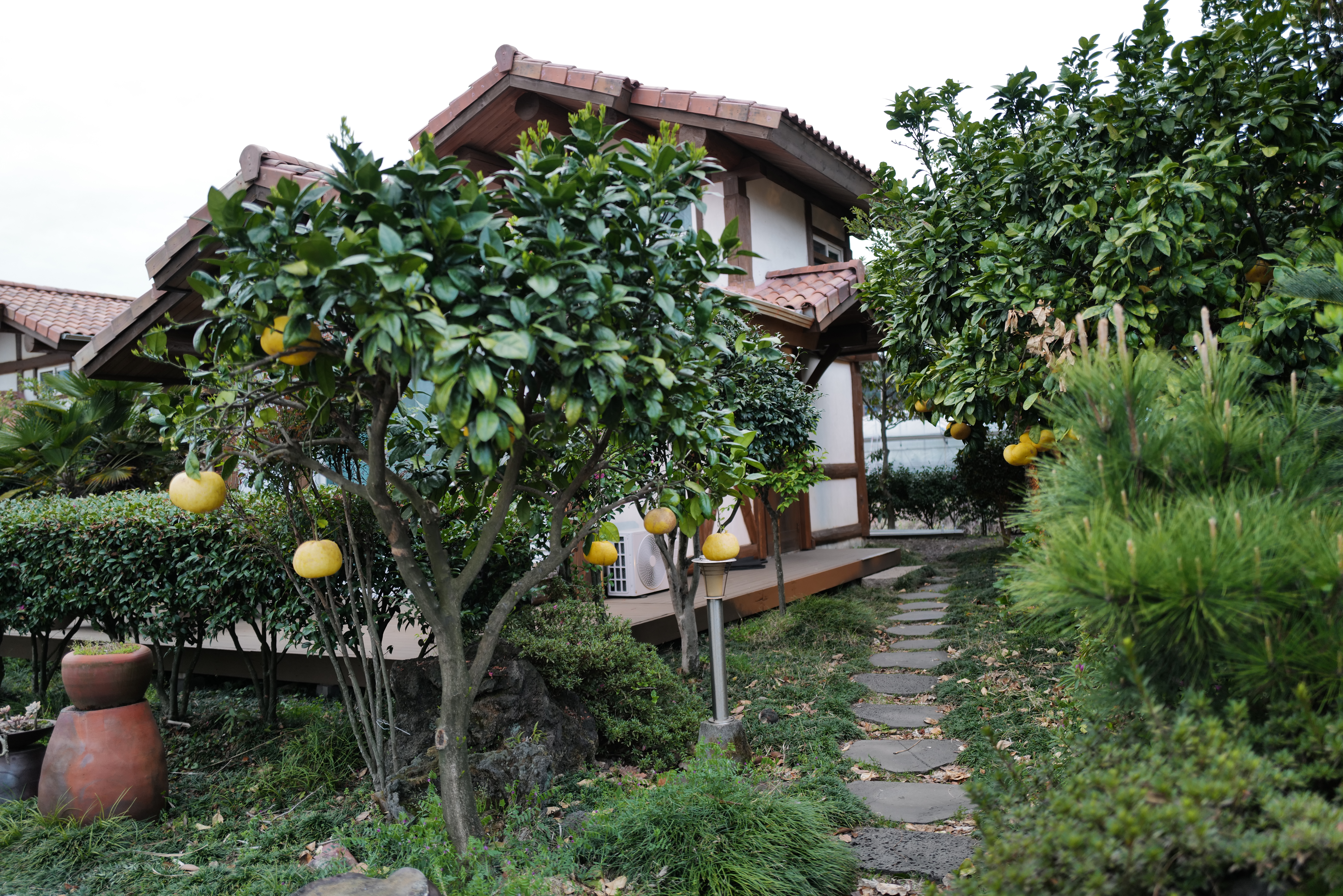
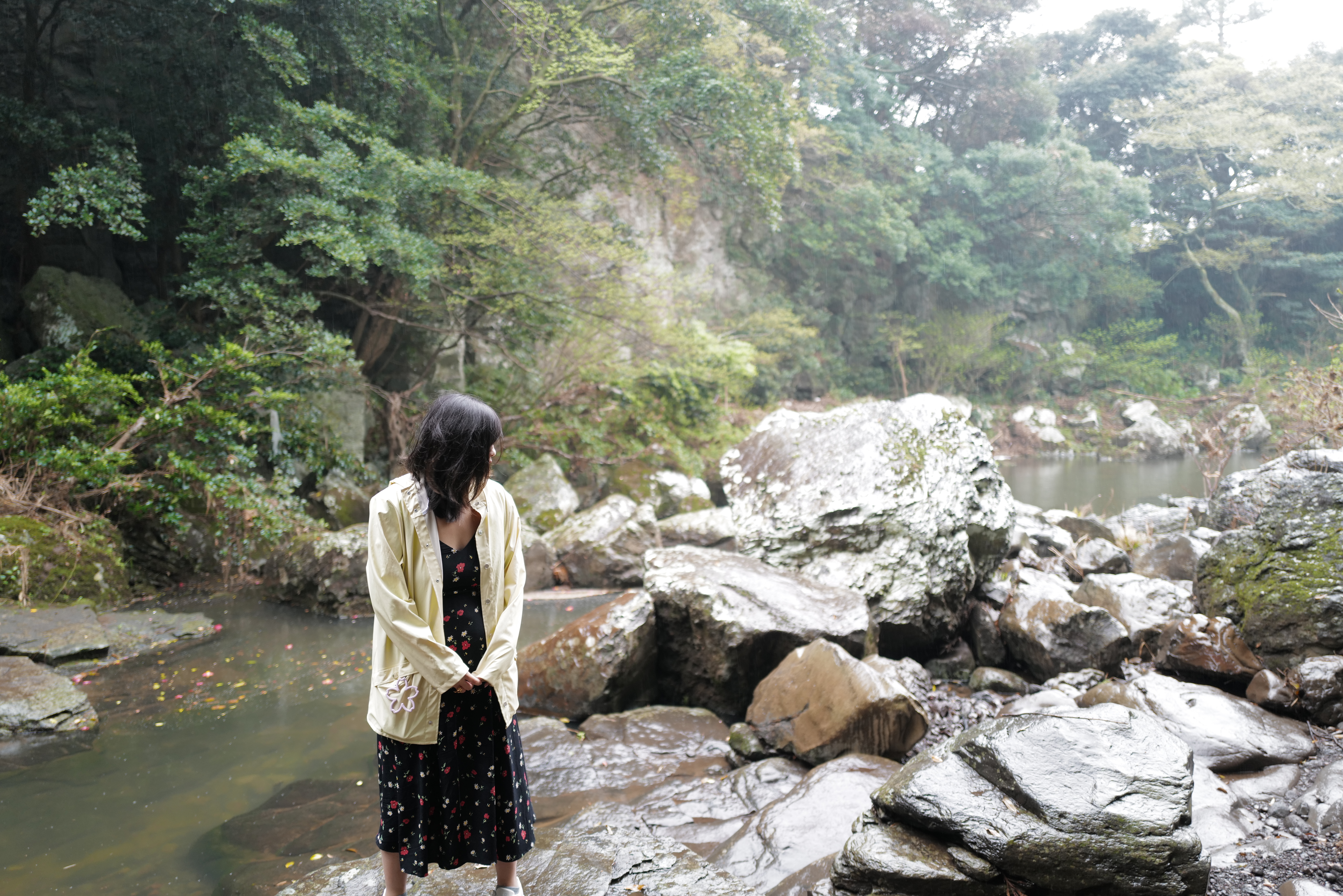
Seogwipo is what I would describe as the nature focused part of Jeju. This is where you'll find many of the island's waterfalls, lush forests, dramatic cliffs, and coastal scenery. When I planned this trip, my goal was to experience Jeju's natural beauty, so staying in the south made the most sense for us.
In contrast, the northern part of the island, around Jeju City, is where you'll first arrive by plane and is home to many of the traditional markets, night markets, shrines, restaurants, and some of the island's most popular beaches.
My recommendation is to stay in the area where you think you'll spend the majority of your time. What I liked about staying in Seogwipo was that most of the nature destinations we wanted to visit were only a short drive away. The Osulloc tea museum was only a 15 min drive away.
There's also western Jeju, which is home to attractions like Osulloc Tea Museum and Innisfree Jeju House. These were easy day trips from where we stayed in the south.
The one area we didn't really explore was eastern Jeju, which is known for its volcanic landscapes and scenic coastal views. That's one of the great things about Jeju, though. Every part of the island offers something different, which just gives us another reason to come back and visit again.
Navigation
One thing that surprised me about driving in Jeju was how integrated the navigation systems are. Most rental cars come with a built in navigation system, and Korea takes traffic enforcement seriously. The navigation will often warn you when you're approaching speed cameras or driving over the limit, and it's worth paying attention because automated speeding cameras are common. It's very easy to get a speeding ticket if you're not paying attention.
For navigation on your phone, I strongly recommend using Naver Maps. Unfortunately, Google Maps isn't very useful in Korea, so if you're someone who relies heavily on Google Maps while traveling, that's something to keep in mind. Naver Maps is easy enough to use, has an English interface, and works reliably throughout the country.
The main drawback I found is that Naver Maps isn't always the most user friendly app when it comes to finding food recommendations. If you already know the name of a restaurant or famous spot you want to visit, it's easy to search for it directly. However, if you're hoping to browse nearby restaurants and discover places the way you might on Google Maps, the experience can feel a bit limited.
Because of that, I found it helpful to research restaurants ahead of time and save a list of places I wanted to visit. Then, once I was in Jeju, I could simply search for those specific locations in Naver Maps and navigate there without any issues.
Day 1
You definitely don't have to follow this exact itinerary, but this is how we spent our first full day in Jeju.
We started the morning by driving to Yeondon, a famous katsu restaurant, so that we could put our names on the waitlist. We arrived around 8:30 a.m., and they started taking names at 9 a.m. If you're planning to visit, I highly recommend doing this since it allows you to spend the morning exploring instead of standing in line.
Camellia Hill
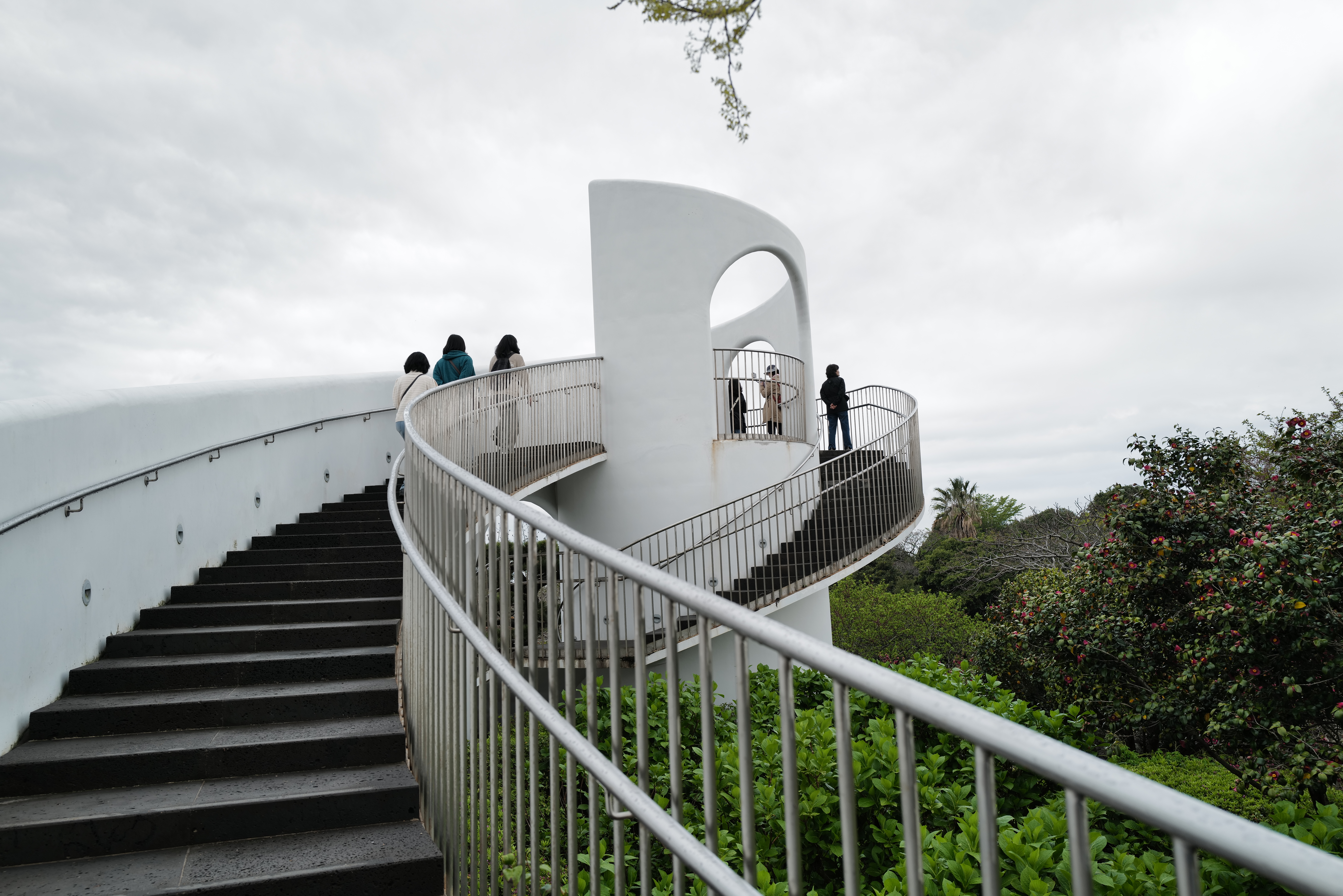
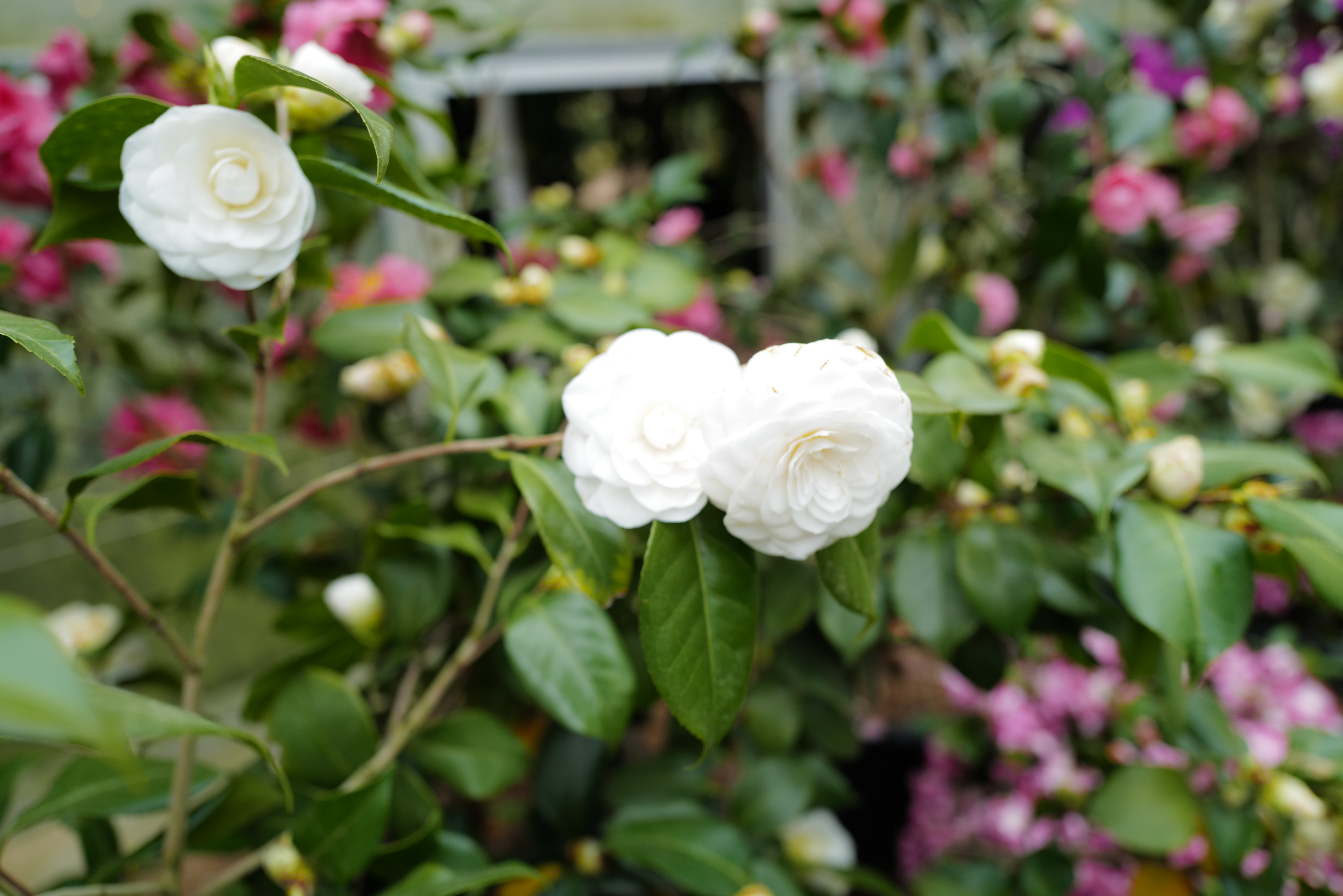
After putting our names down, we headed to Camellia Hill. Admission was only about $7, and it's a beautiful botanical garden filled with camellias, flowers, greenhouses, and plenty of photo opportunities. They also had displays featuring rare and specialty camellias. I imagine it's even more impressive when the flowers are fully in season.
Yeondon
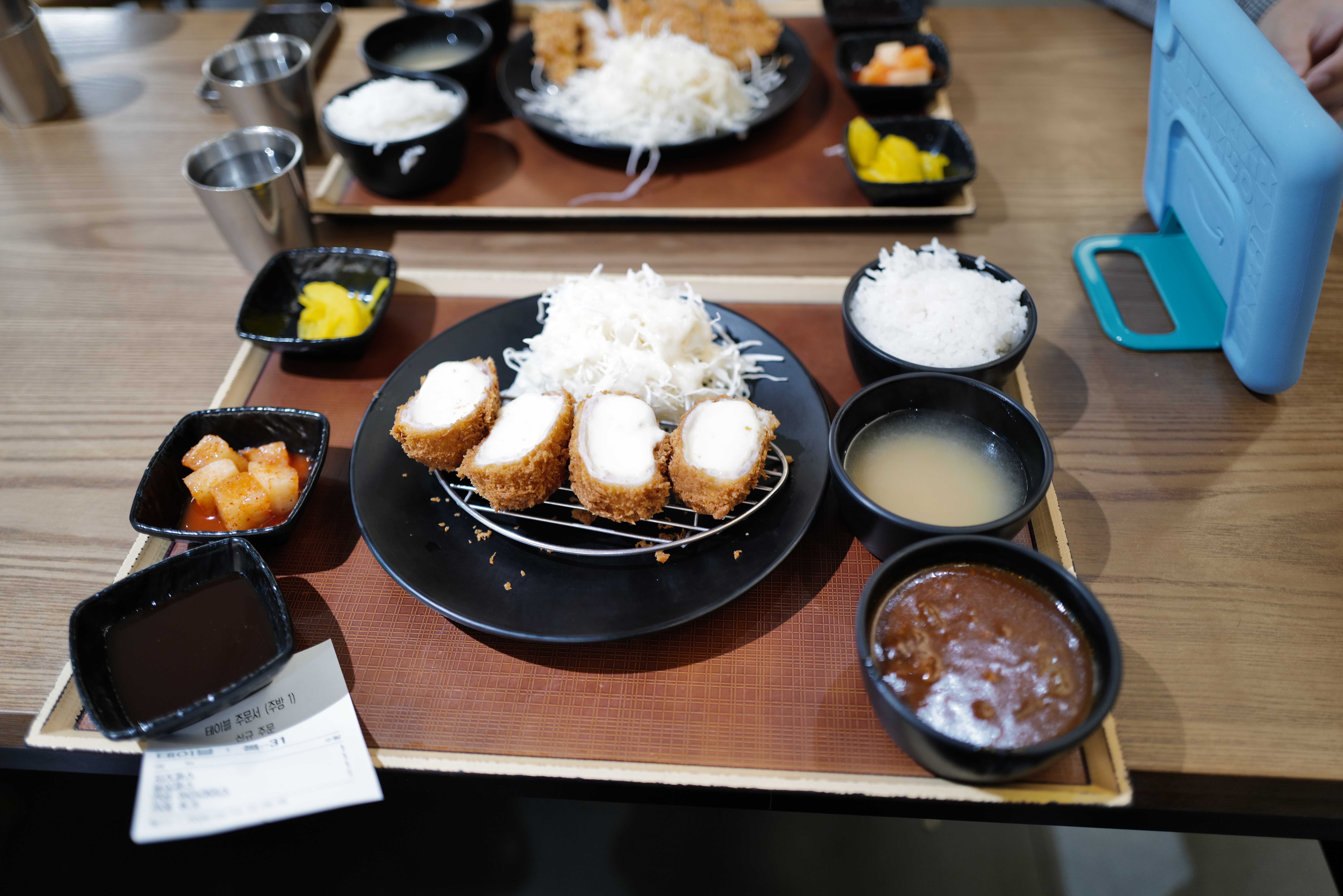
Once we finished exploring, we headed back to Yeondon when they opened at noon and were seated fairly quickly. If you can get on the waitlist, that's definitely the move, but you can probably also get there right when they open and wait in line if needed.
The must order here is their famous cheese katsu. This is the cheese katsu that went viral after Chef Paik featured the restaurant on his version of Kitchen Nightmares, where he helps struggling small businesses improve their operations and gain more exposure. The restaurant became famous because he called it one of the best cheese katsus he had ever eaten. The food was already incredible, but the business mainly needed help with visibility and operations. I did end up ordering every katsu they had on the menu.
One thing that made the experience especially memorable was seeing the owner working the takeaway counter himself. We actually took a selfie together, and although he didn't speak much English, I got to tell him that I had flown all the way from Austin, Texas just to try his katsu.
Osulloc Tea House and Innisfree Jeju House
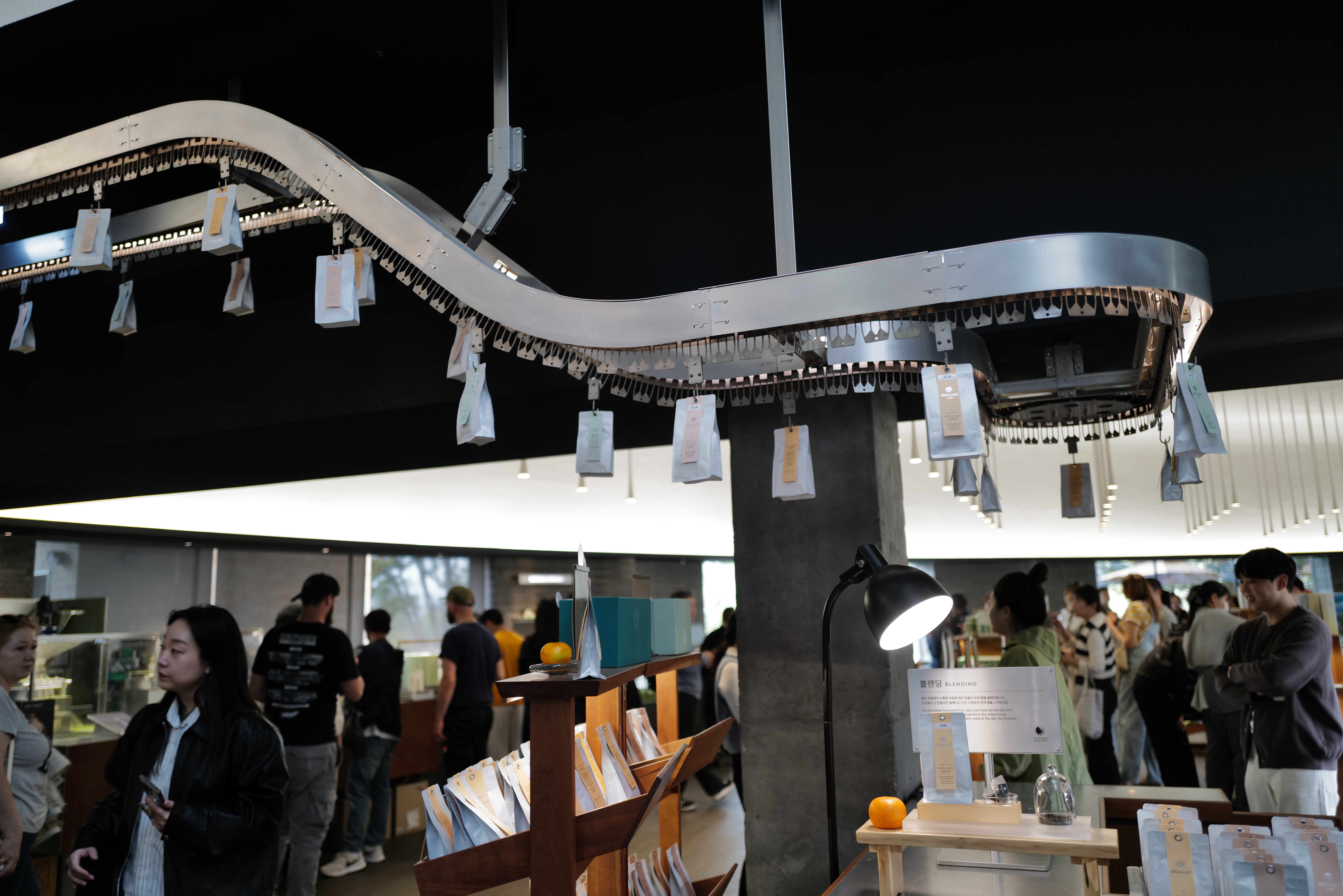
After lunch, we drove over to Osulloc Tea House and Innisfree Jeju House. This is probably one of the most touristy experiences in Jeju, but it's popular for a reason. While both Osulloc and Innisfree are large national brands, there are a few Jeju exclusive experiences worth checking out.
One of the most popular activities is Innisfree's make your own soap experience. I didn't personally participate, but I did buy some soaps and skincare products while I was there. They were also running some surprisingly generous promotions.
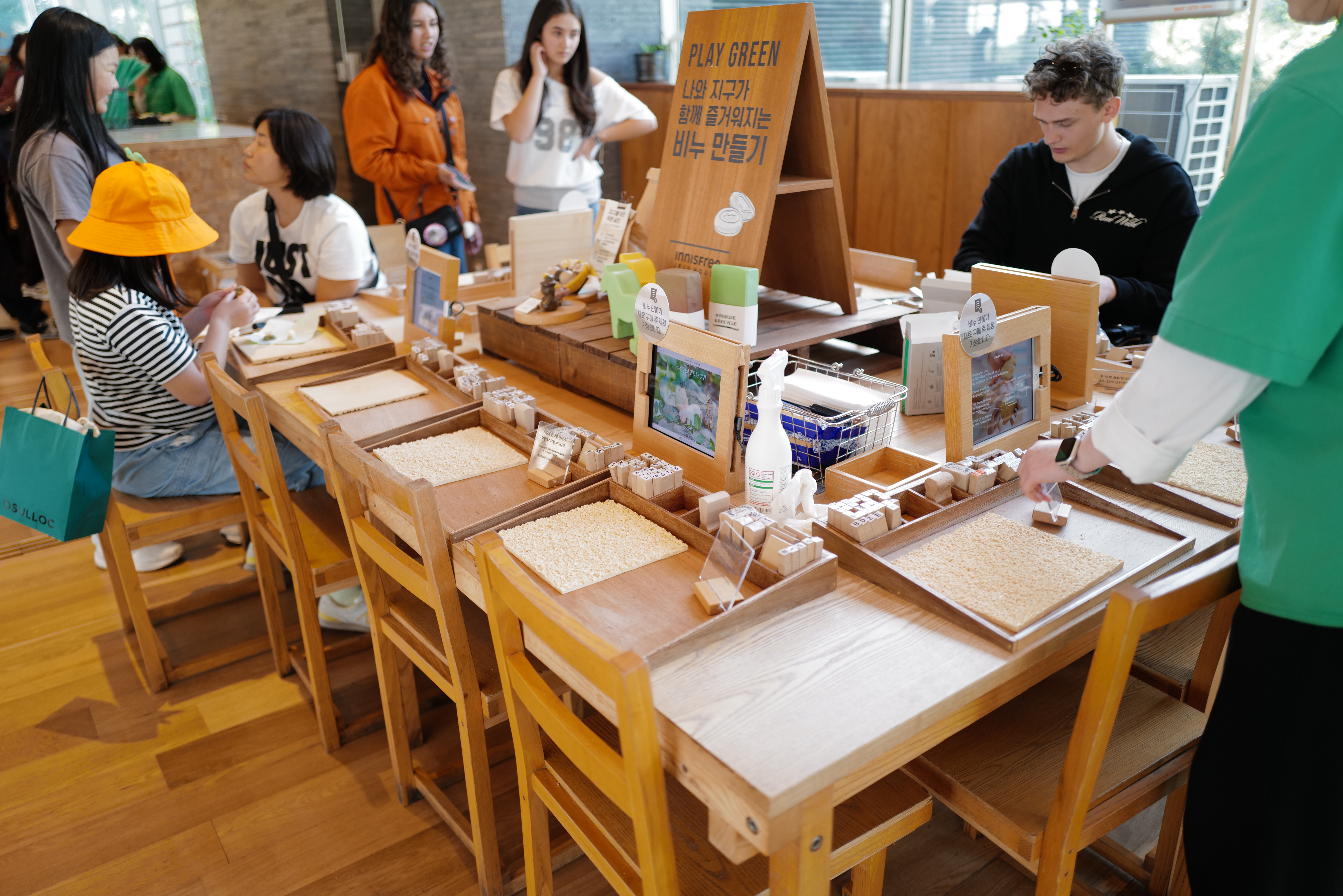
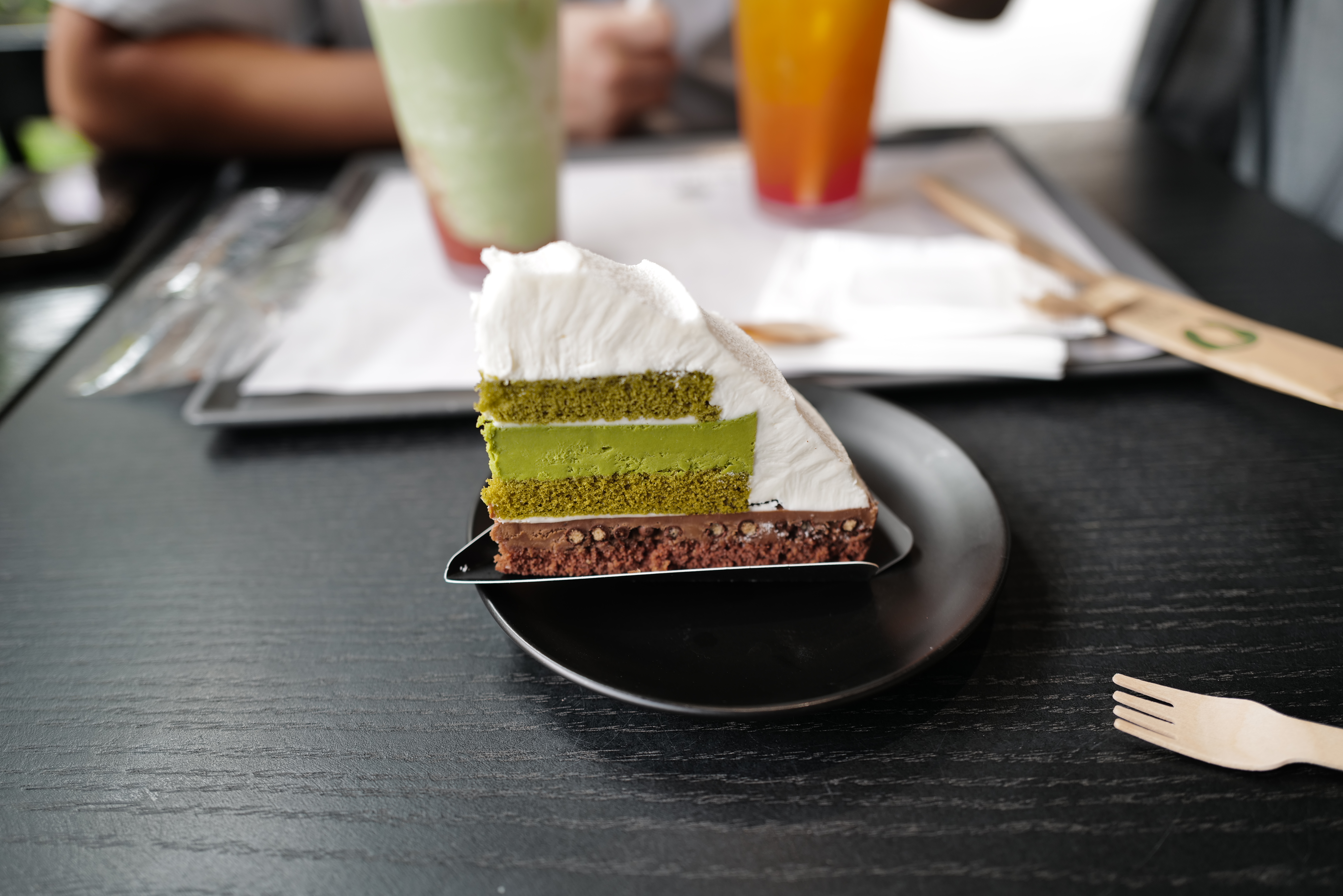
The other thing most people come for is the scenery. The tea fields surrounding Osulloc are beautiful and make for great photos. While I don't think Osulloc serves the best tea you'll ever have, I do recommend trying something from the café. I ordered their Hallasan cake, which was layered beautifully and ended up being one of my favorite desserts of the trip.
Gotjawal Forest

Afterward, we drove over to Gotjawal Forest for a short hike. The trail is mostly paved, but I wouldn't consider it completely stroller friendly because there are a few sections with stairs. The walk takes roughly 20 to 30 minutes and leads to an observation area with views of Hallasan.
Unfortunately, the weather wasn't on our side that day, and the mountain was mostly hidden behind clouds. Even so, it was a pleasant and easy walk through a unique forest environment.
Neulbom Heukdwaeji (늘봄흑돼지)
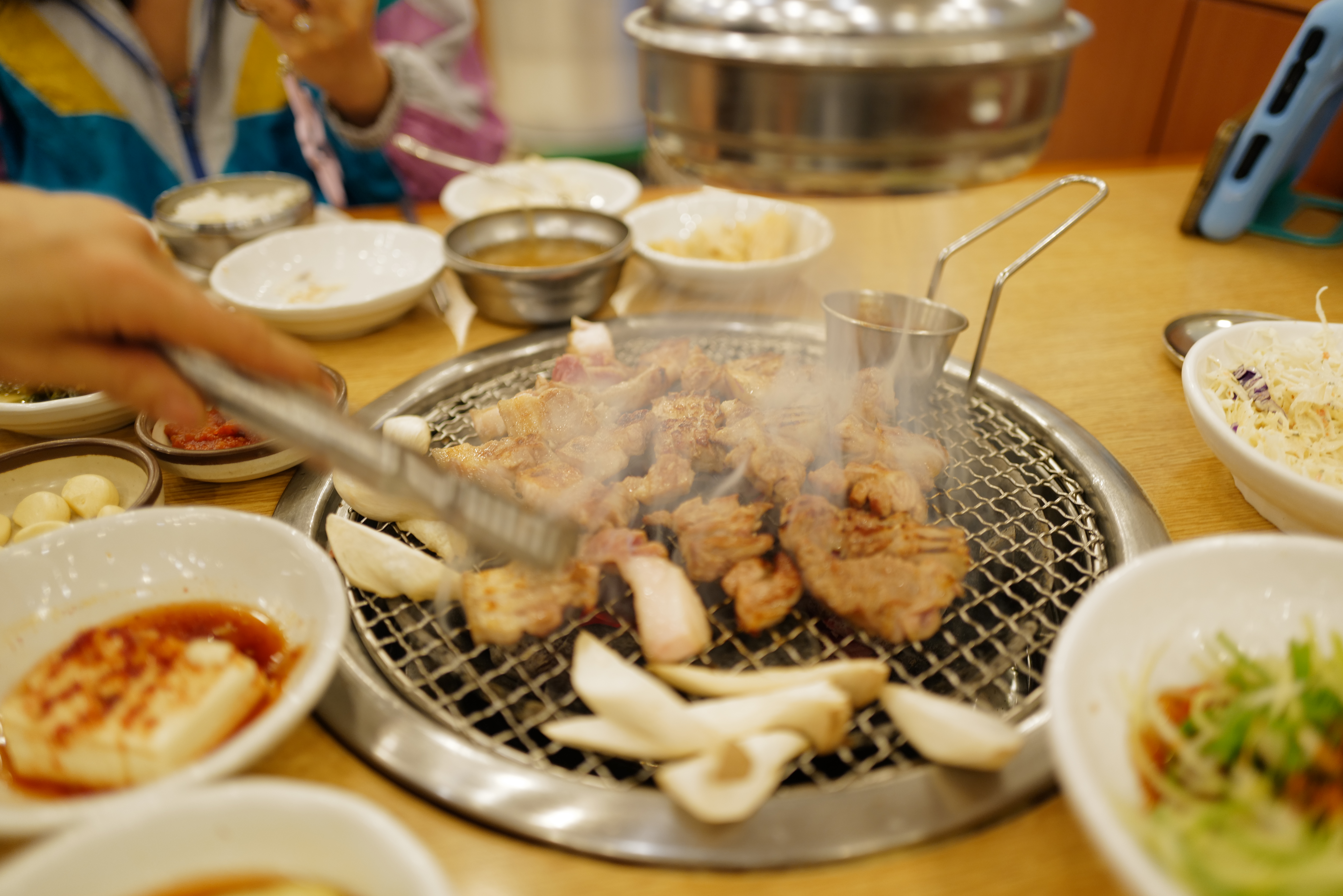
To end the night, we had dinner at Neulbom Heukdwaeji (늘봄흑돼지), a restaurant famous for Jeju black pork. This is a classic no frills Korean barbecue experience. You sit down, an ajumma helps cook the meat for you, and before you know it, the table is covered in banchan.
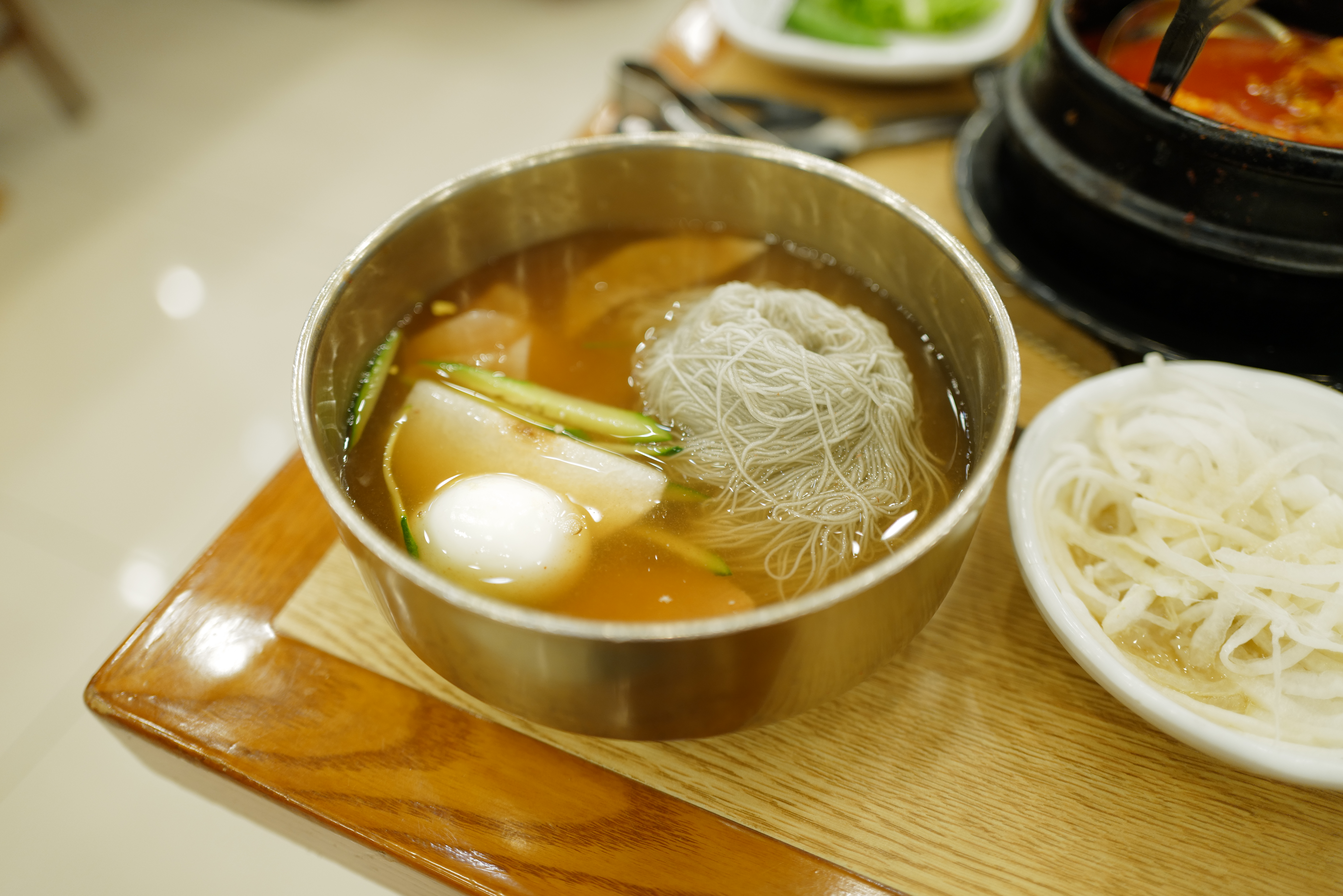
The Jeju black pork here was absolutely incredible and easily one of the highlights of the day. Everything was cooked perfectly, the side dishes were plentiful, and it was the perfect way to end our first full day on the island. My go to orders are the pork neck and the pork belly. I also enjoyed their cold noodles!
Day 2
Andeokgyegok Valley (안덕계곡)
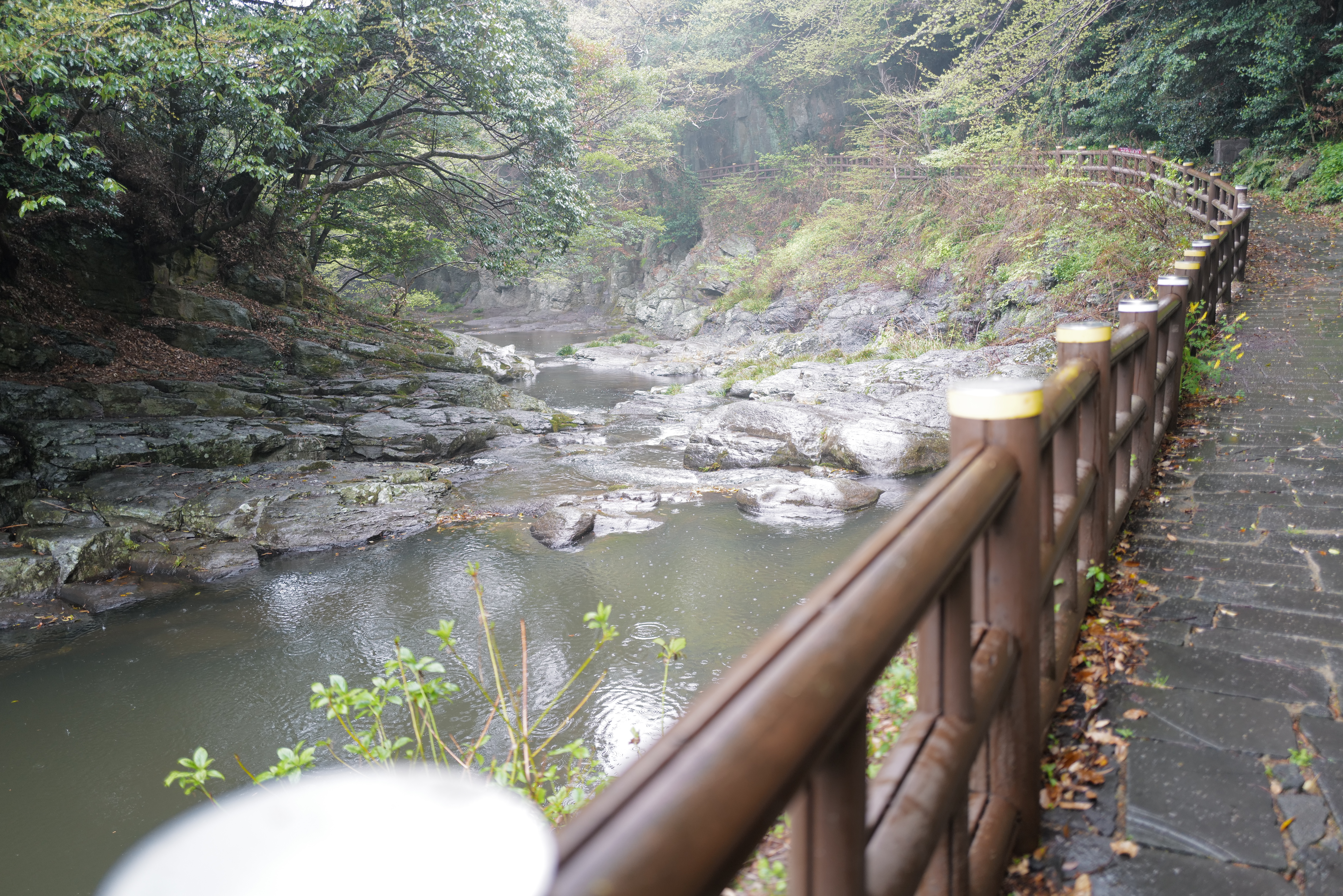
For Day 2, we got up super early and took a quick walk from our Airbnb to visit Andeok Valley. You could technically drive here, but it's also close enough to walk depending on where you're staying. It's a bit hidden and off the beaten path, and we actually got a little lost trying to find it. Thankfully, some friendly locals pointed us in the right direction.
Once you arrive, it's a very short detour that only takes about five to ten minutes to explore. There's a cave you can walk into, along with a small bridge overlooking a stream and waterfall. It's not one of the grand waterfalls you'll see elsewhere in Jeju, but it's a peaceful little stop that's worth visiting if you're nearby.
Noraba
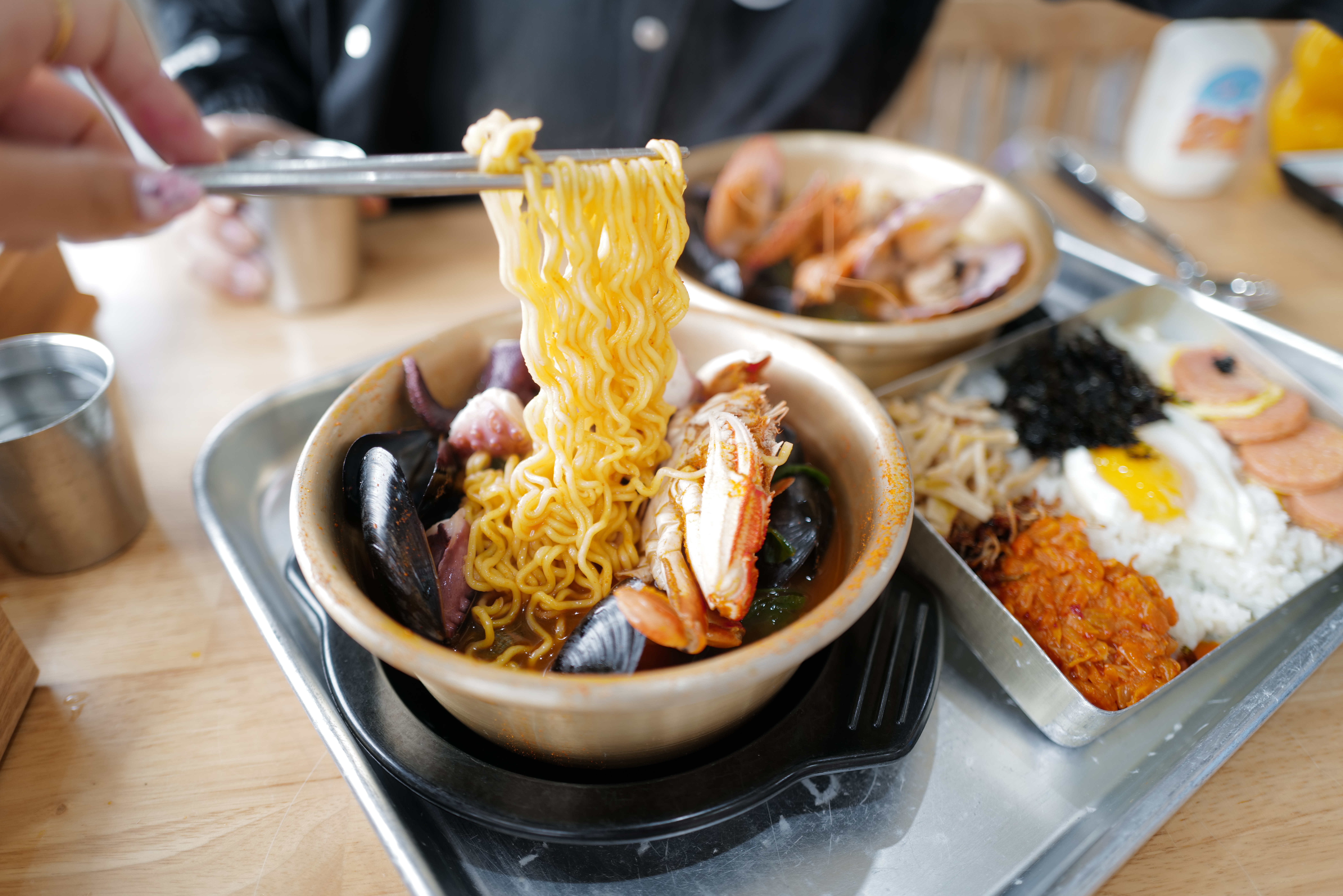
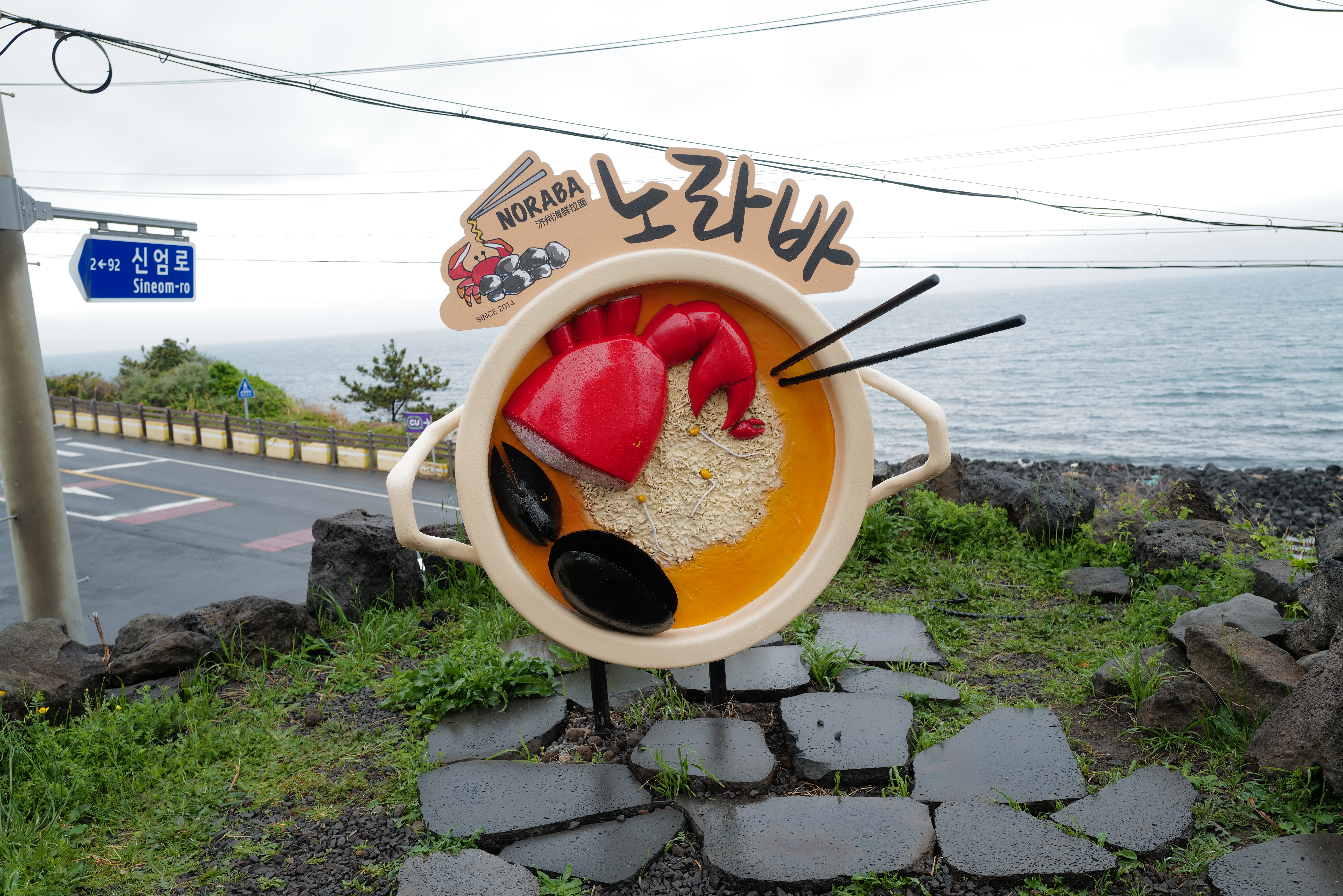
After that, we headed to Noraba, which you're probably going to see all over Instagram and TikTok. This is the famous spicy seafood ramen spot that many people consider a must visit in Jeju. We didn't go to the original location, which is more of a small shack, but instead visited one of their larger restaurant locations that overlooks the ocean.
Even though we visited in April, it was surprisingly cold, so I was grateful to have an indoor seat with a beautiful beach view. They were also selling Hallabong drinks and Hallabong yogurt drinks, which I highly recommend ordering because this ramen is seriously spicy.
We ordered the combo that came with two ramens and a doshirak, and it felt like an incredible value. The seafood ramen is absolutely packed with ingredients including octopus, whole crab, mussels, scallops, and abalone. The abalone actually arrives still moving, so you'll need to flip it over to make sure it cooks evenly.
They offer three spice levels, and my advice is to go with the medium. Do not order the highest spice level unless you're comfortable with extremely spicy foods like Buldak. Even the medium had me sweating between bites. If you don't handle spice well at all, I'd recommend the mild version. Personally, I have a pretty high spice tolerance, and even I thought the hottest level would have been too much.
Handam Coastal Trail (한담해안산책로) + Haejigae Cafe
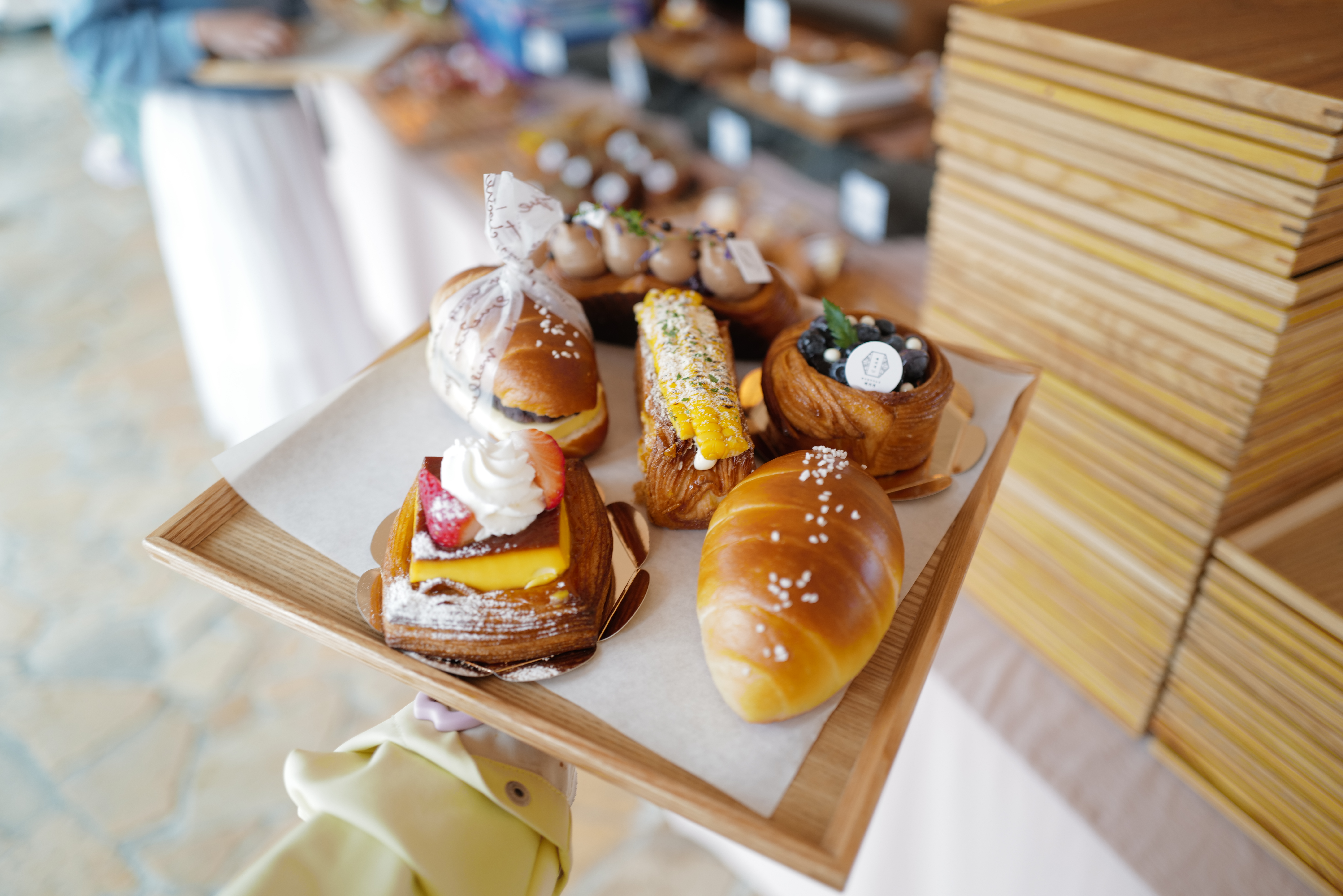
Next, we drove over to the Aewol coastal area, which is known for its beautiful ocean views and endless lineup of cafés along the shoreline. We started at Haejigae Cafe, a café that has become quite popular for its baked goods.
One of the coolest things about this stretch of coastline is that many of the cafés back directly onto the coastal trail, allowing you to grab a coffee and then walk straight out to the ocean. The views here are absolutely stunning.
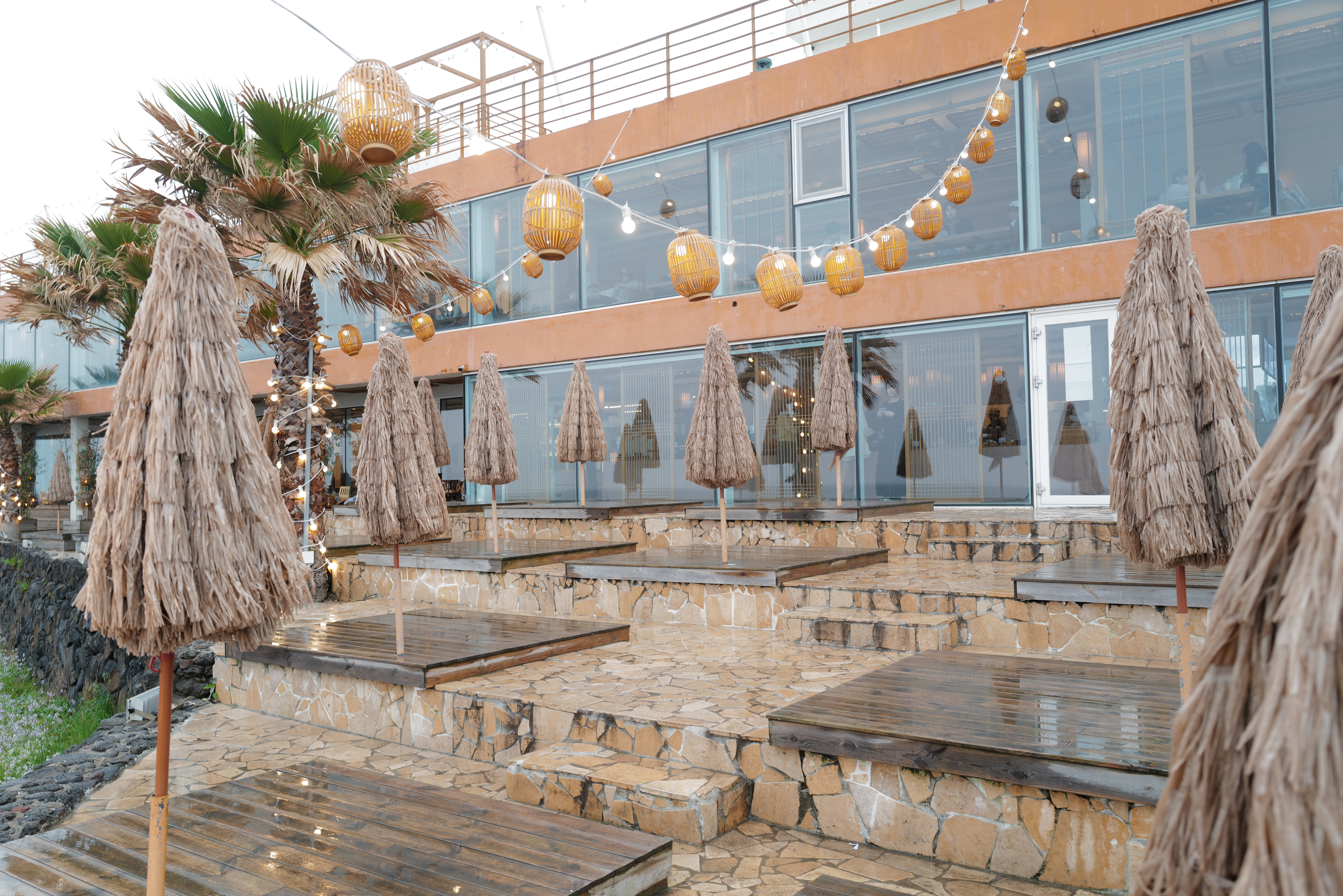
At Haejigae Cafe, the must item was definitely the salt bread. It was fantastic. I thought some of the pastries looked better than they tasted, and the croissants were just okay, but the salt bread alone was worth the visit. I was also feeling pretty sick during this part of the trip, so their warm Hallabong tea ended up being one of my favorite things I had all day.
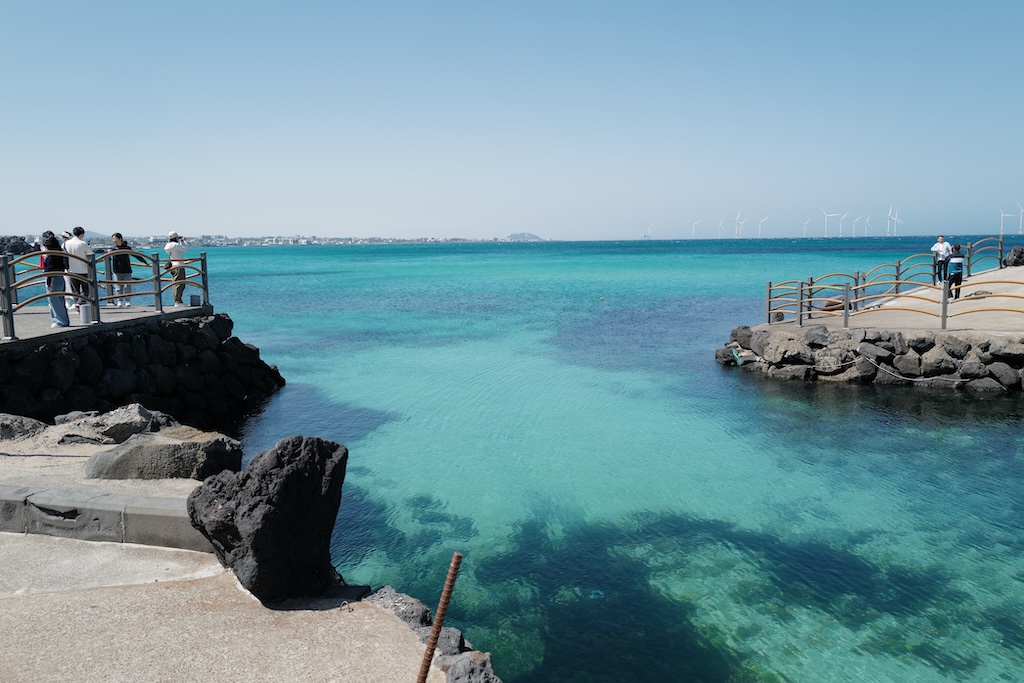
The beach here, Aewol Beach, has some of the clearest and bluest water you'll find anywhere in Jeju. If you have time, I'd also recommend eating at Hamdam Noodles nearby. We were short on time that day and ended up returning later in the trip, but it's worth planning for.
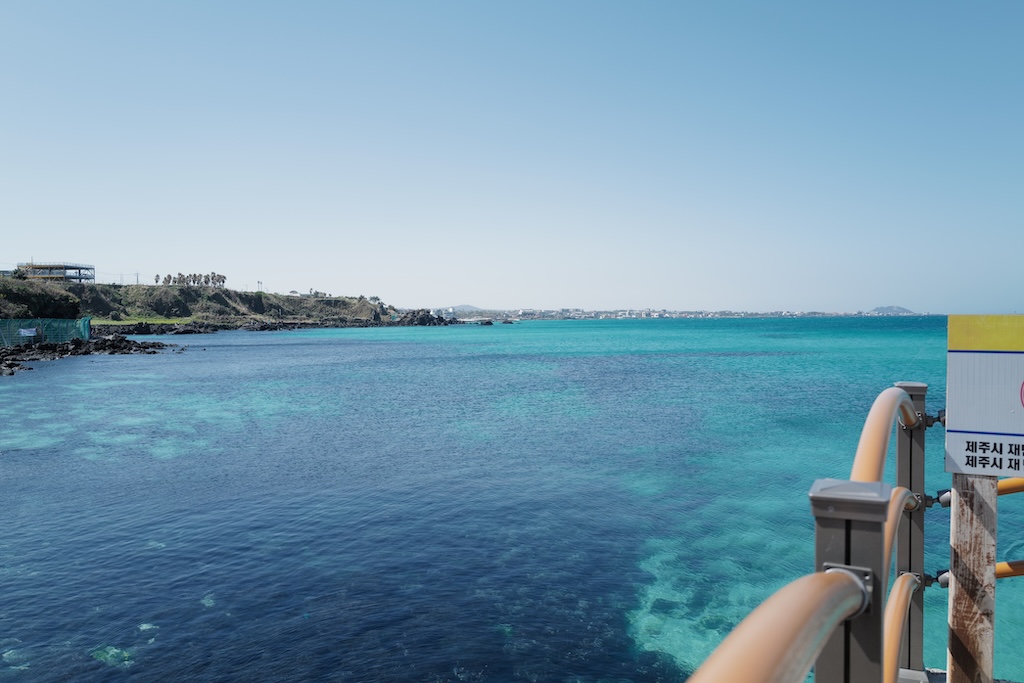
More importantly, leave yourself enough time to walk along the Handam Coastal Trail. It's one of the most beautiful coastal walks on the island. The water is crystal clear, the scenery is incredible, and if you look closely, you can even spot tiny pufferfish swimming near the shore.
Hyeopjae Beach
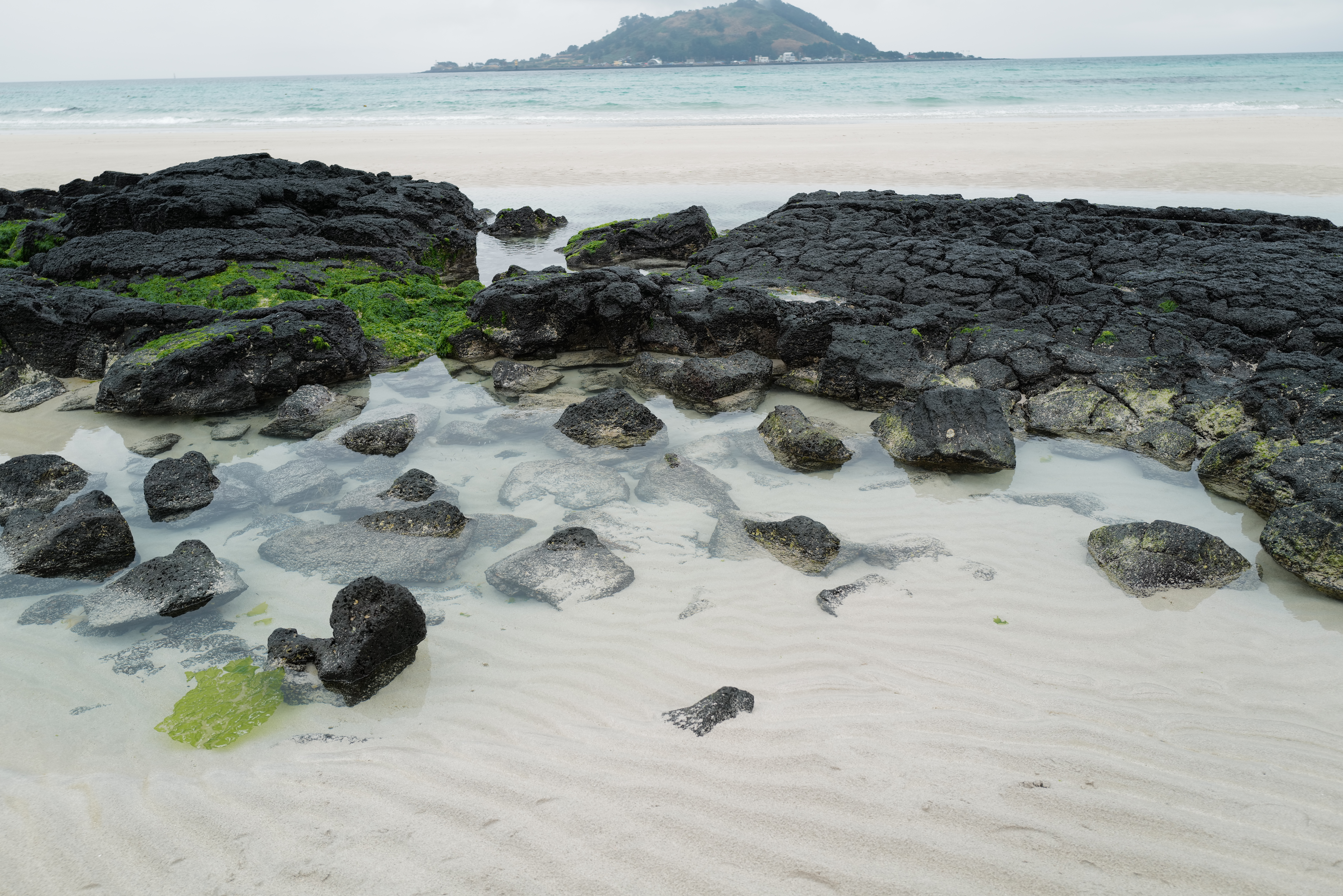
The next beach we visited was Hyeopjae Beach. This is a great stop if you're a fan of tide pooling because you'll find sea urchins, crabs, and all kinds of small marine life hiding among the rocks.
Hyeopjaegul Lava Tube
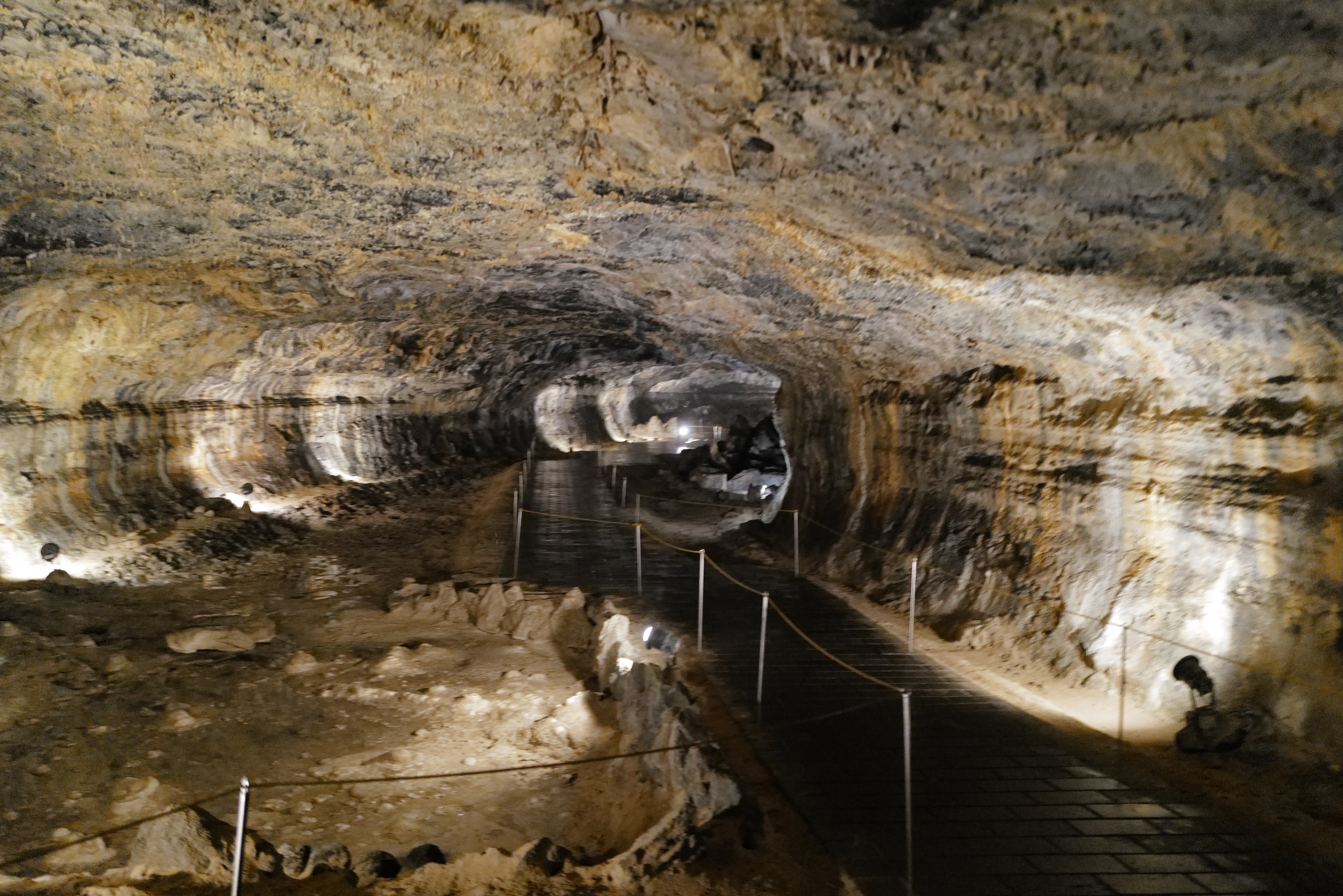
Nearby, we visited Hyeopjaegul Lava Tube, which is located inside Hallim Park. There is an admission fee to enter the park, but I think it's worth visiting at least one lava tube while you're in Jeju. The island itself was formed by volcanic activity, so exploring a lava tube is one of the most unique experiences you can have here. This is a botanical garden so expect to spend up to 1-2 hours here.
Sukseongdo
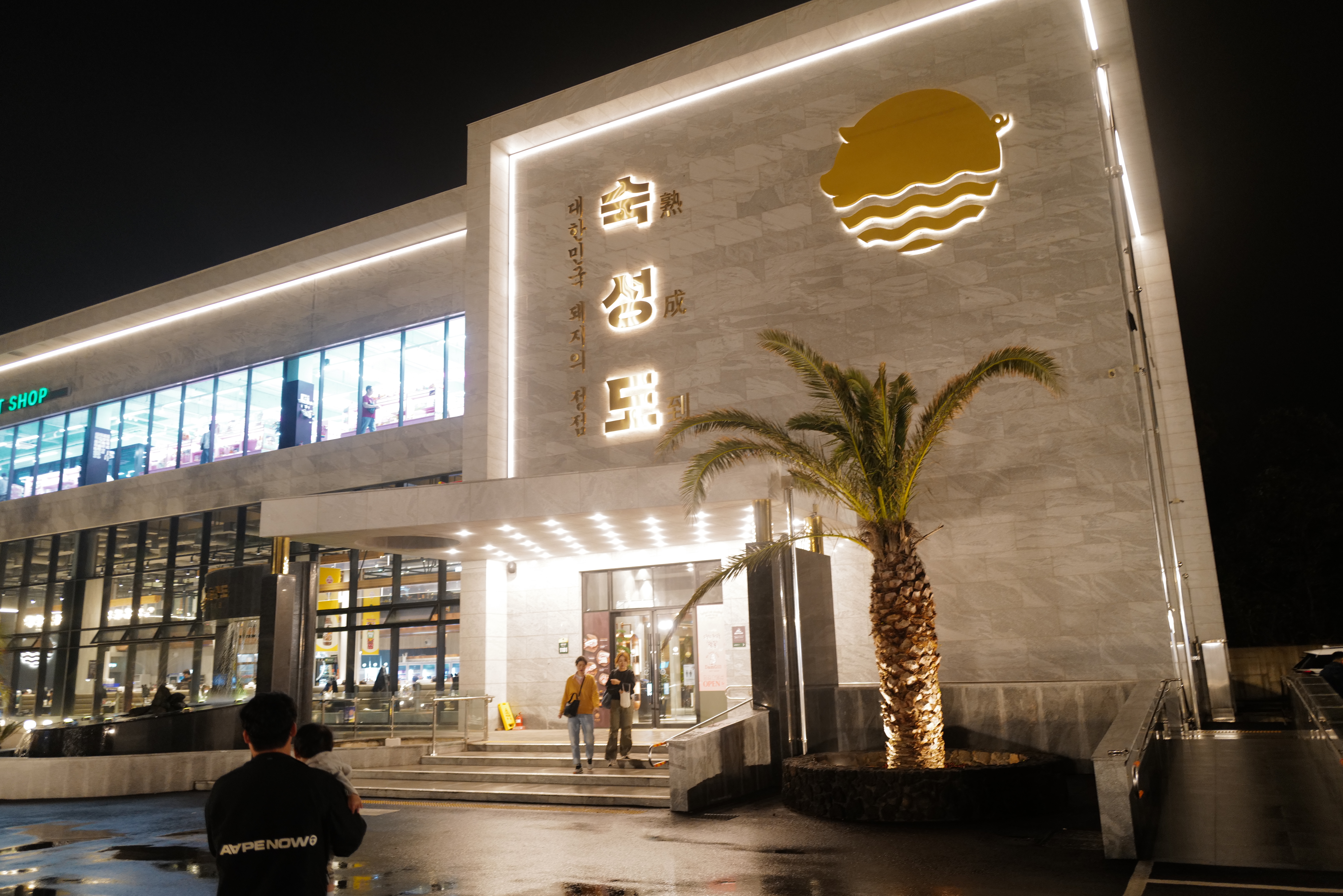
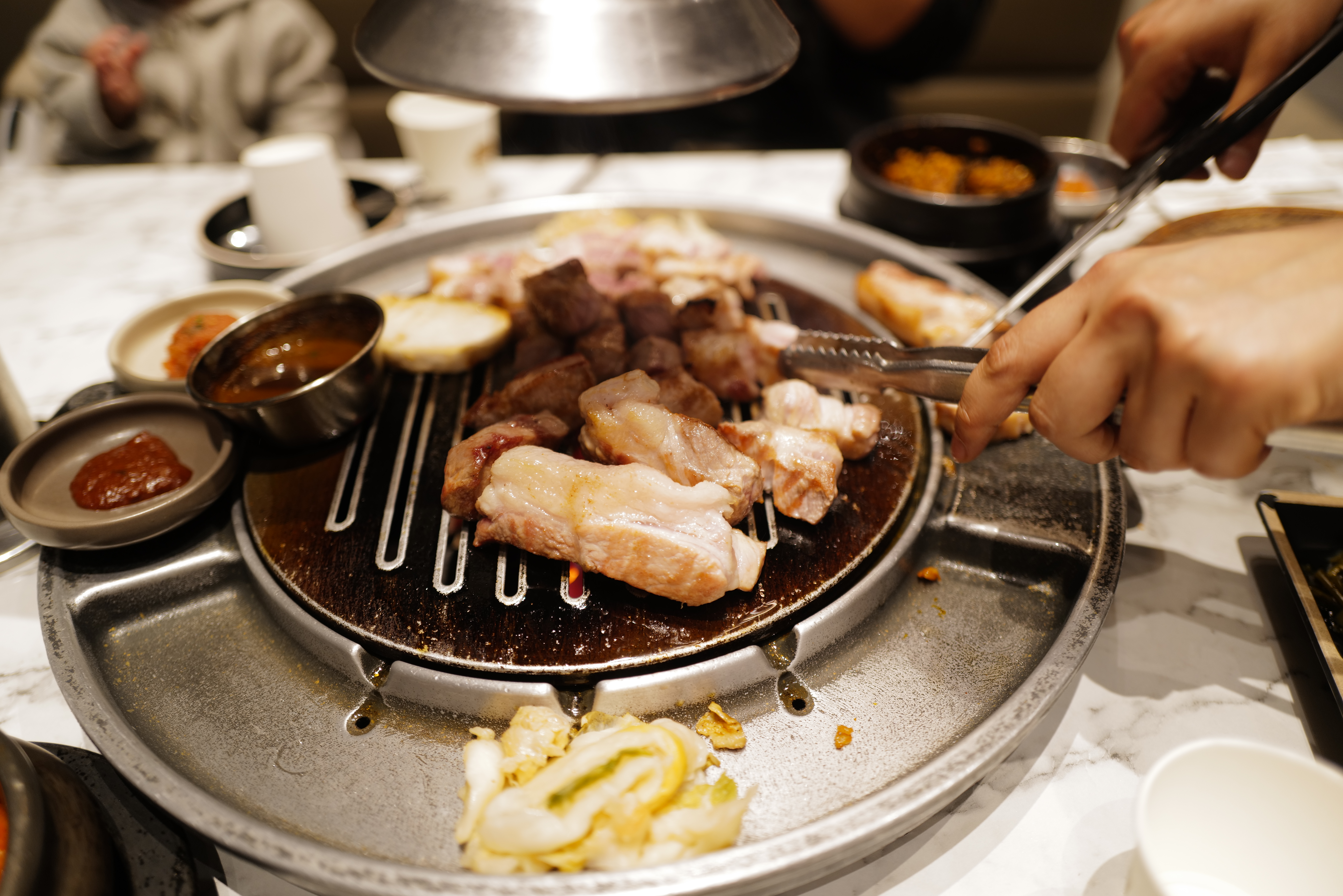
To finish the day, we had dinner at Sukseongdo, another restaurant famous for Jeju black pork. This spot specializes in aged and dry aged pork, which gives the meat a slightly different flavor and texture than what you'll find elsewhere.
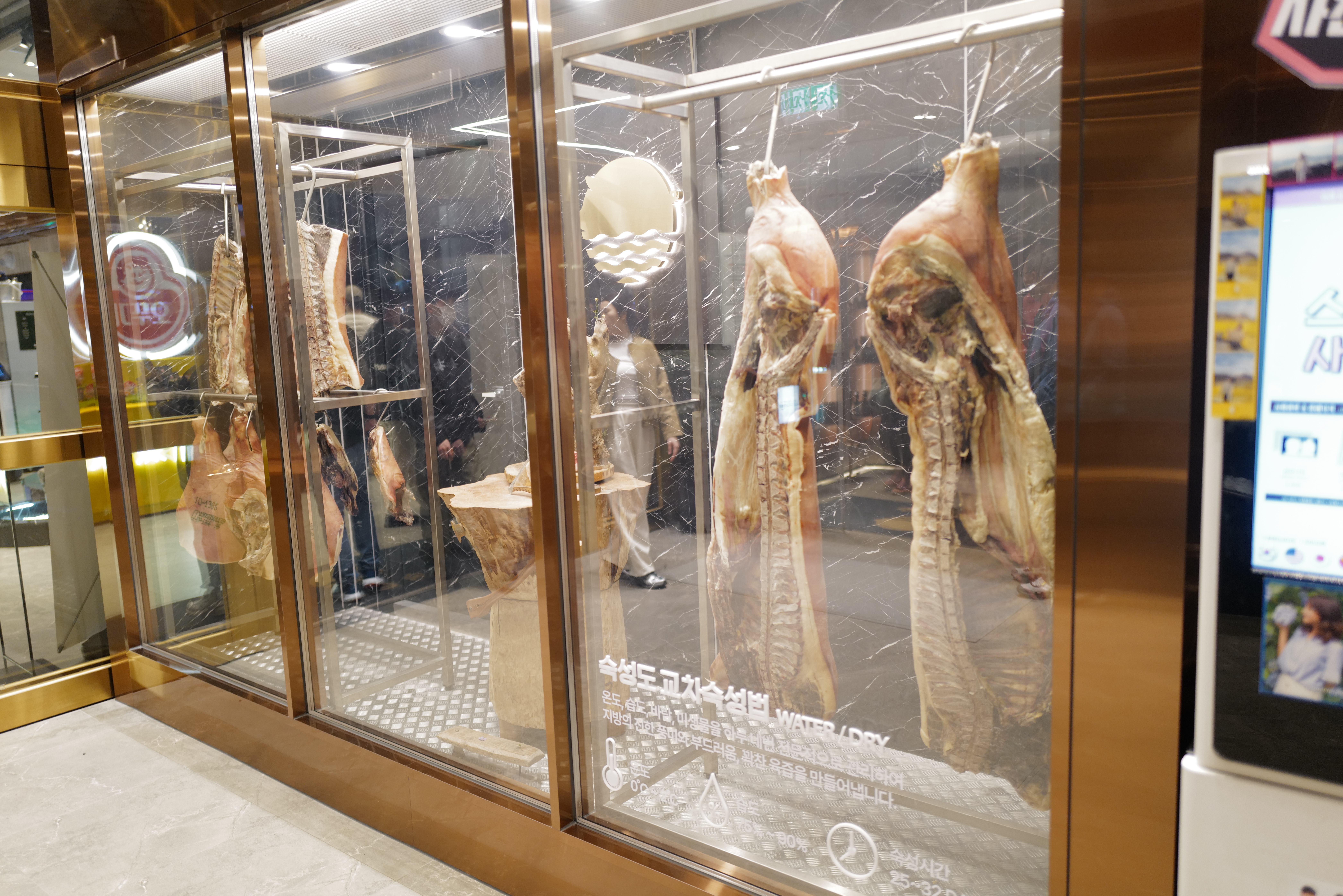
I thought it was very good, but personally, I preferred the black pork we had the night before. My favorite dish here was actually the cold noodles. They were refreshing and paired really well with the rich pork. The restaurant was also doing a collaboration with Ottogi at the time, so we ended up trying their Spaghetti Neapolitan, which was a fun and unexpected addition to the meal.
Day 3
Canola Flower Fields


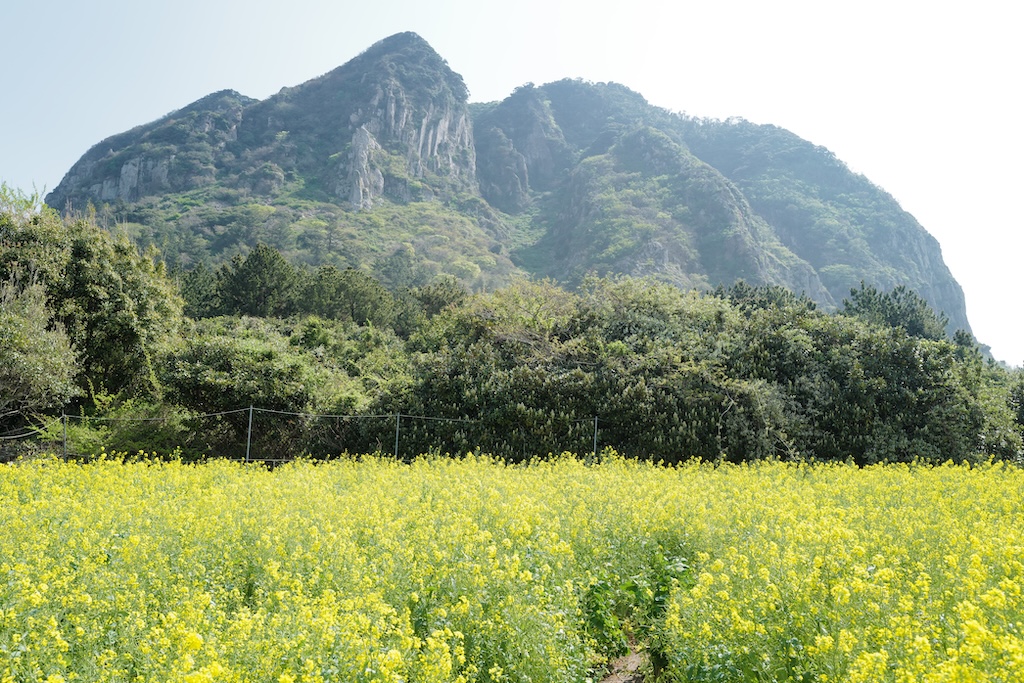
For Day 3, we started the morning by visiting the canola flower fields. We visited Jeju in April, which means both the canola flowers and cherry blossoms were in season. The bright yellow canola flowers are one of the most iconic spring sights on the island, and you'll find them growing all over Jeju. Different flowers bloom throughout the year, but spring is definitely one of the most beautiful times to visit.
I'm going to put the Korean name here, 산방산유채꽃명소자연명소, so you can copy and paste it directly into Naver Maps. This particular canola flower field sits in front of Sanbangsan, giving you a beautiful backdrop of the mountain while taking photos among the flowers.
One thing to know is that many of these flower fields charge a small admission fee since they're privately maintained. Usually it's only about $1 to $2 per person, and I think it's absolutely worth it for the photos.
Sagae Beach
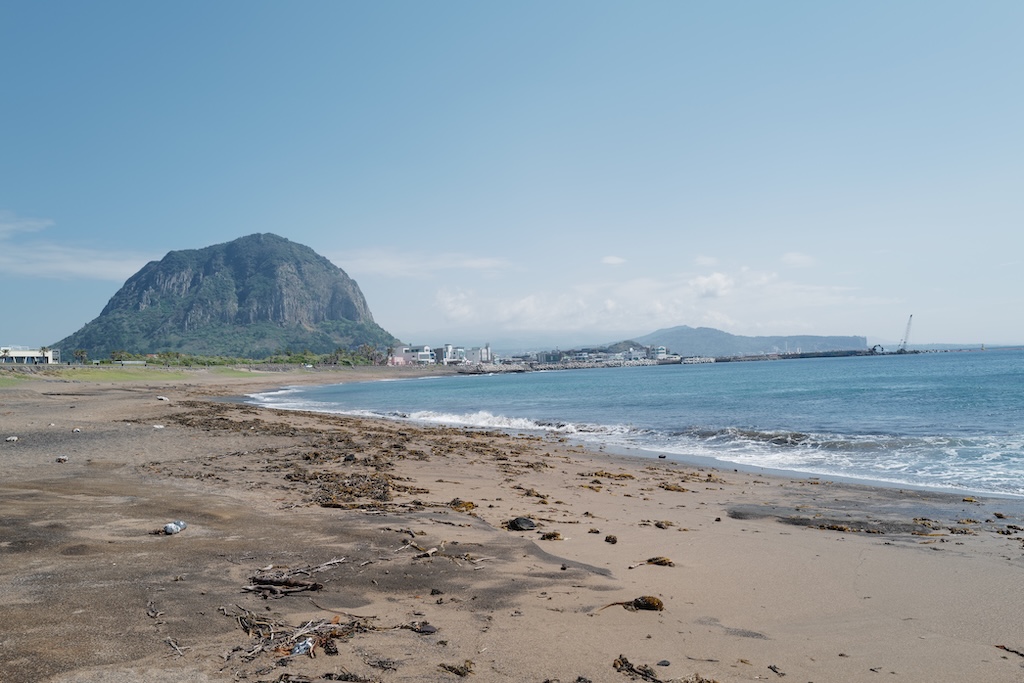
Afterward, we made a quick stop at Sagae Beach. We mostly drove through the area, enjoyed the ocean views, and spent a little time watching the waves. It's not necessarily a destination where you'll spend hours, but it's a nice stop if you're already nearby.
Dragon Head Beach - Yongmeori Coast
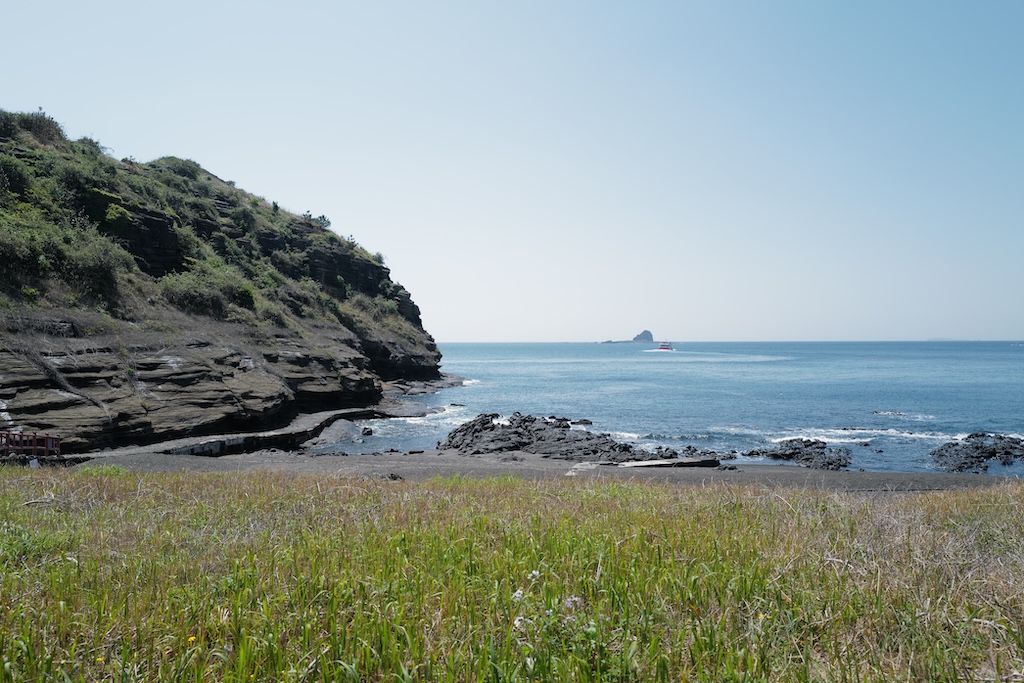
Next, we headed to Dragon Head Beach. This is supposed to be a short and scenic hike, but whether you can access it depends entirely on the tide conditions. Unfortunately, when we visited, the trail was closed because of high tide. If you're planning to visit, I'd recommend checking conditions ahead of time if possible.
Even if Dragon Head is closed, I still think it's worth driving to the area because one of my favorite meals from the entire trip was nearby.
Suncheon Mihyang
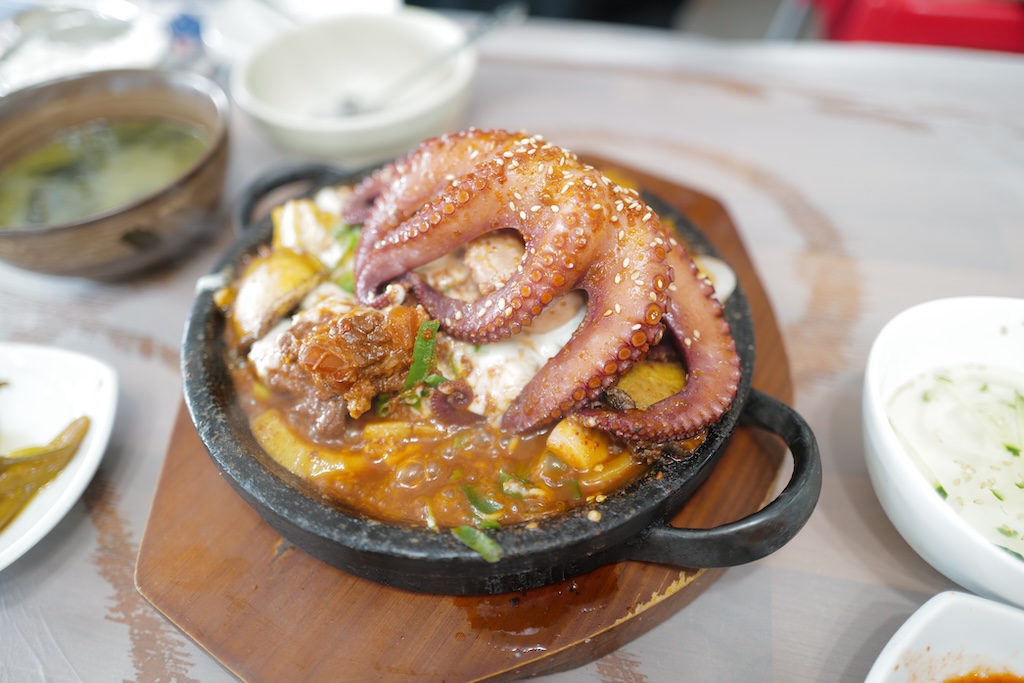
The restaurant is called Suncheon Mihyang (순천미향). I highly recommend visiting Dragon Head Coast before eating here because you're going to want to come hungry.
We ordered their signature dish called "The Three Things," which I assume is named after the three main ingredients: octopus, galbi, and abalone. This was genuinely one of the best dishes I ate during my entire trip to Korea. Imagine incredibly tender braised galbi topped with perfectly cooked octopus. Every bite was incredible.
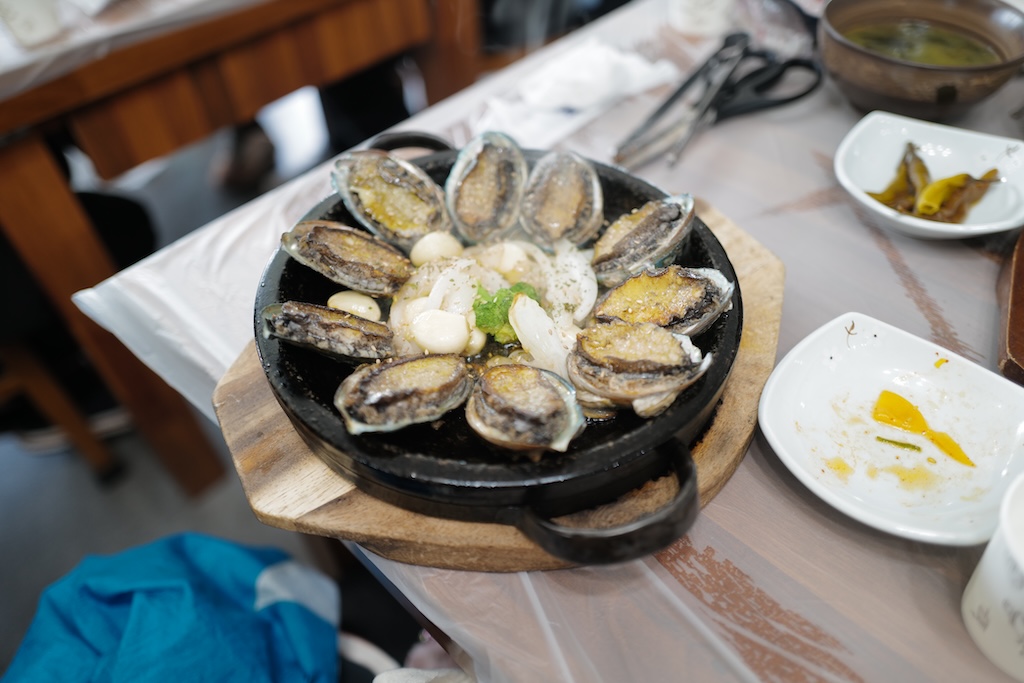
The other must order is the butter abalone. They bring out an entire platter of abalone covered in butter sauce and cut it for you tableside. It was rich, buttery, and absolutely delicious.
Base of Sanbansan
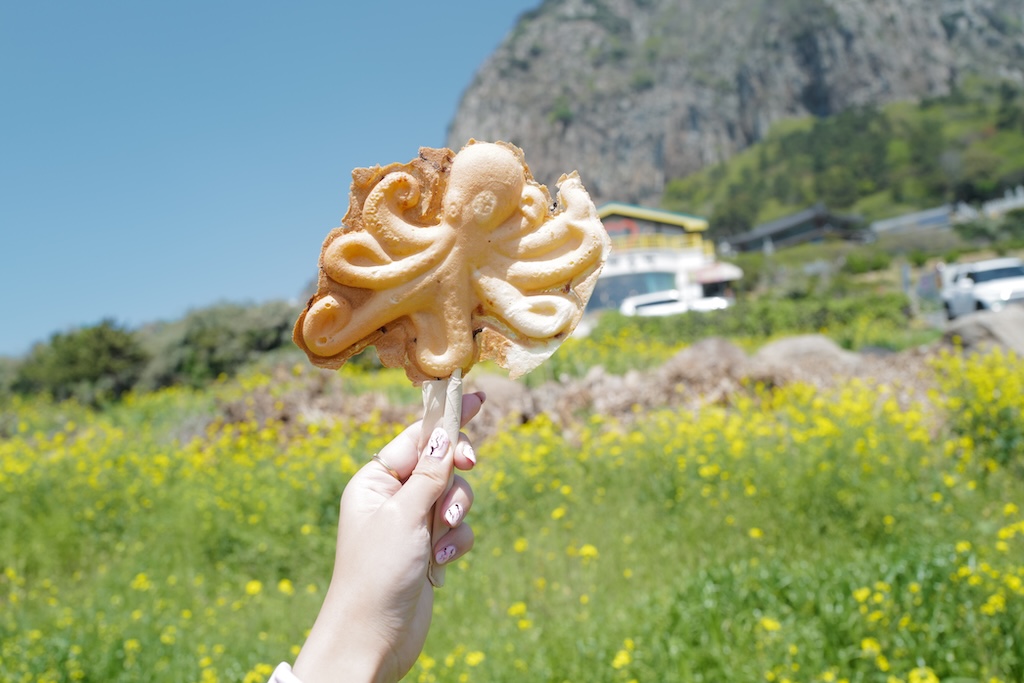
After lunch, make sure to walk down the hill. You'll find a café selling a savory octopus bungeoppang, which is their version of taiyaki. Most people think of taiyaki as a sweet dessert, but this savory version was unique and worth trying.
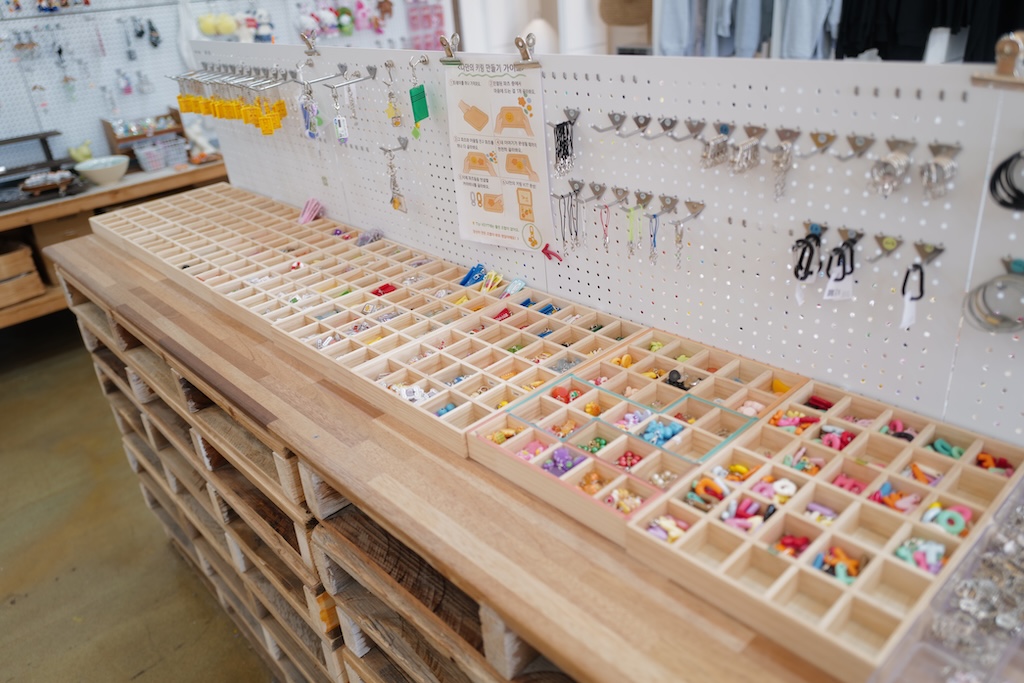
If you continue down the hill, you'll come across one of the cutest gift shops we found on the entire island. I don't actually remember the name, but they had a make your own keychain station along with all kinds of adorable souvenirs. I ended up making a custom keychain that became one of my favorite souvenirs from the trip.
Gamttamnam Experience Café
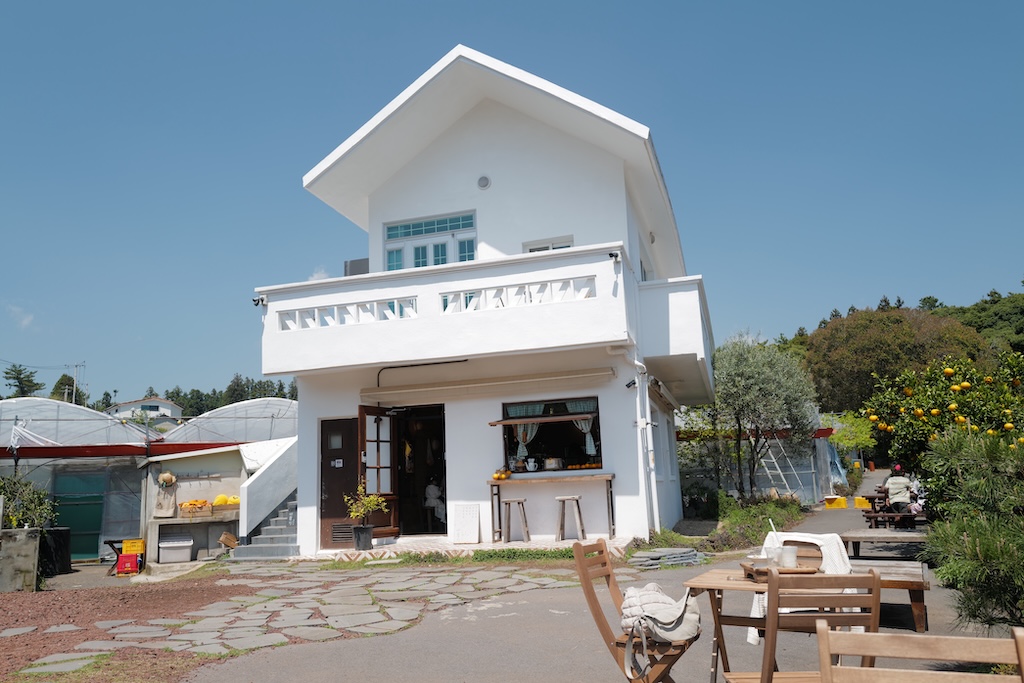
Next, we visited Gamttamnam Experience Café. If you're visiting during orange season, usually around February, you can actually pick your own Hallabong oranges here. We visited during the off season, so that wasn't available, but it was still a fun stop.
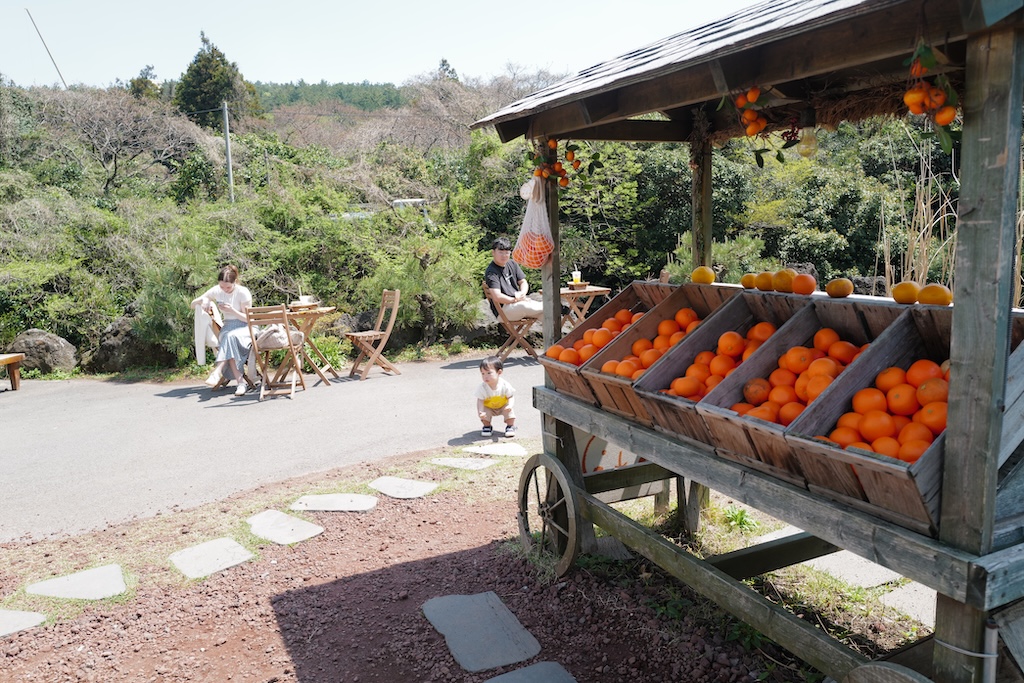
I don't know if I'd make a special trip all the way across the island just for this café, but if you're already in the area, it's worth stopping by. They have good coffee, fresh juices, and plenty of photo opportunities.
Oedolgae
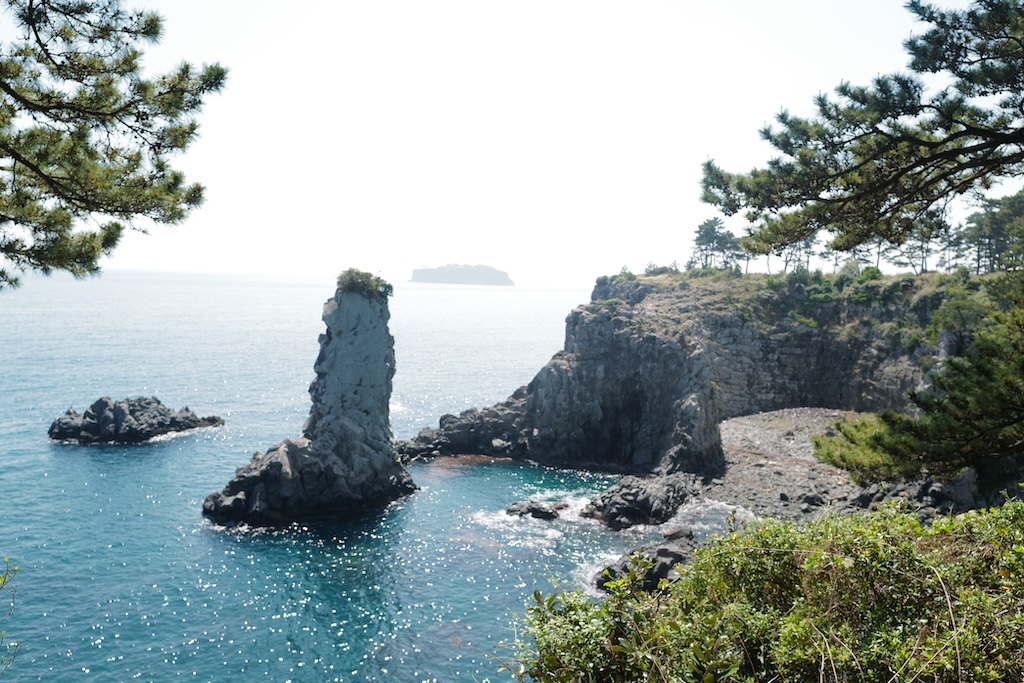
After that, we visited Oedolgae, a famous rock formation rising out of the ocean. It's basically a quick sightseeing stop where you can admire the coastal views and take some photos. Like many of Jeju's natural attractions, parts of the path aren't particularly stroller friendly, so keep that in mind if you're traveling with young children. They did charge 2000 won to park in their parking lot.
Cheonjiyeon Waterfall
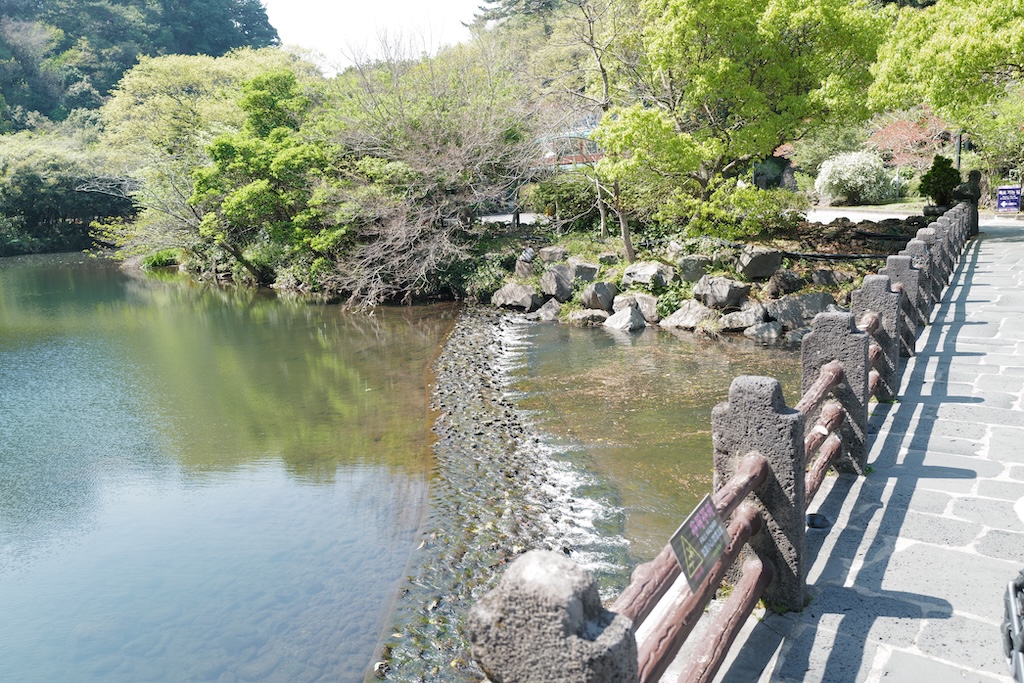
Next, we headed to Cheonjiyeon Waterfall. There's a small admission fee, but it's one of the easier waterfalls to visit. The walk from the entrance to the waterfall is relatively short, and you'll probably spend around 20 to 30 minutes here. This one was stroller friendly and there is a bathroom nearby.
One thing I appreciated about many of Jeju's attractions is how convenient they are. There are usually convenience stores nearby, and you're often allowed to bring snacks and drinks with you.
Jeongbang Waterfall
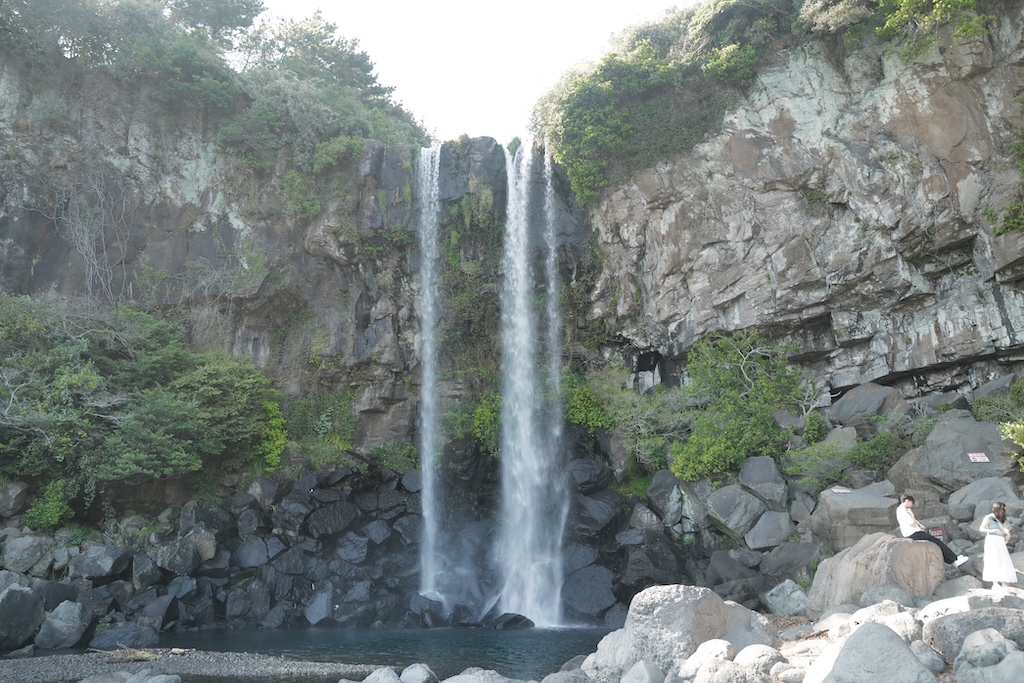
From there, we drove about ten minutes to Jeongbang Waterfall, which is probably the waterfall you've seen all over Instagram.
This was easily one of the most impressive waterfalls we visited. The waterfall crashes directly into the ocean, creating a really unique landscape. Getting down to the viewing area does require navigating some uneven rocks, so be prepared for a bit of scrambling. I would imagine carrying a baby down here would be fairly challenging.
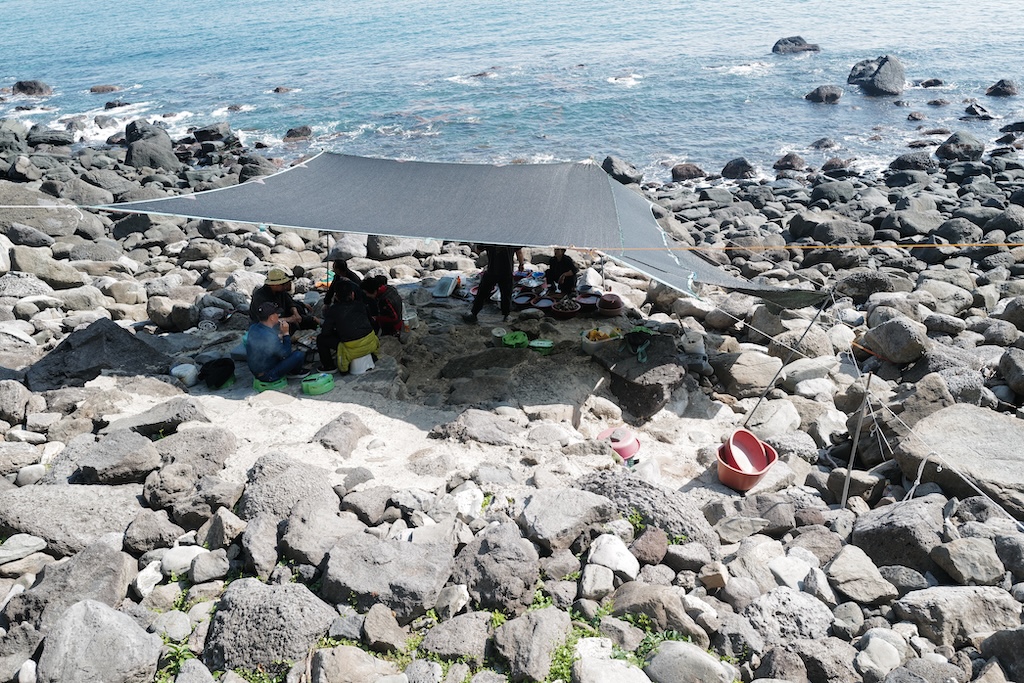
One thing that surprised me was seeing a woman selling fresh seafood right on the rocks in front of the waterfall. If you're feeling adventurous, it's definitely one of the more unique places to grab a seafood snack.
By this point, we were completely exhausted and headed back to our Airbnb for a little rest.
Alice Cakery
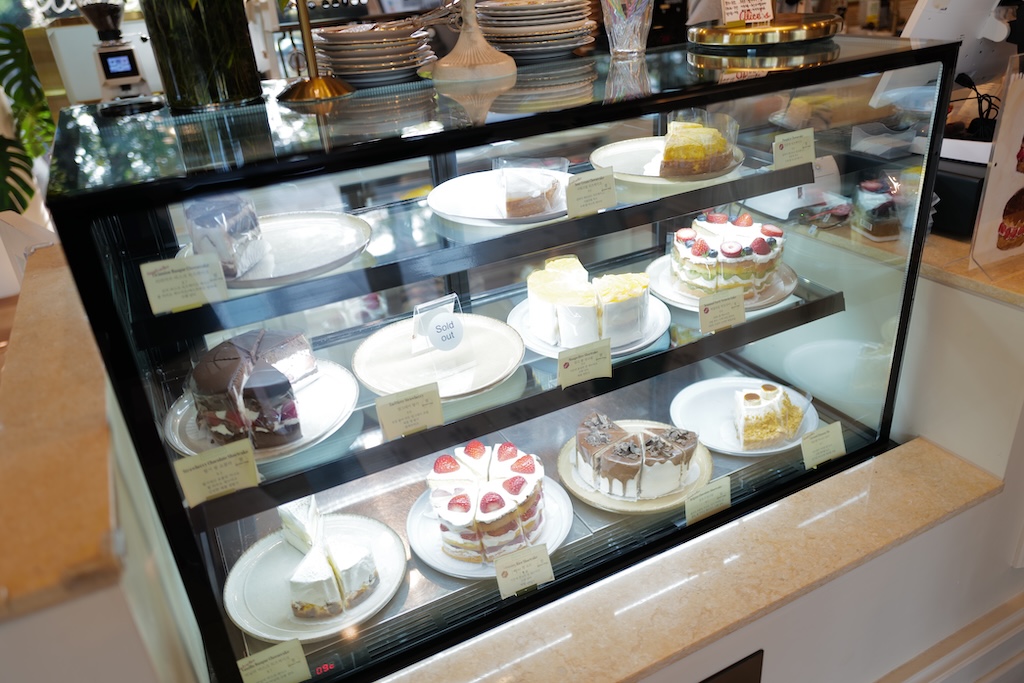
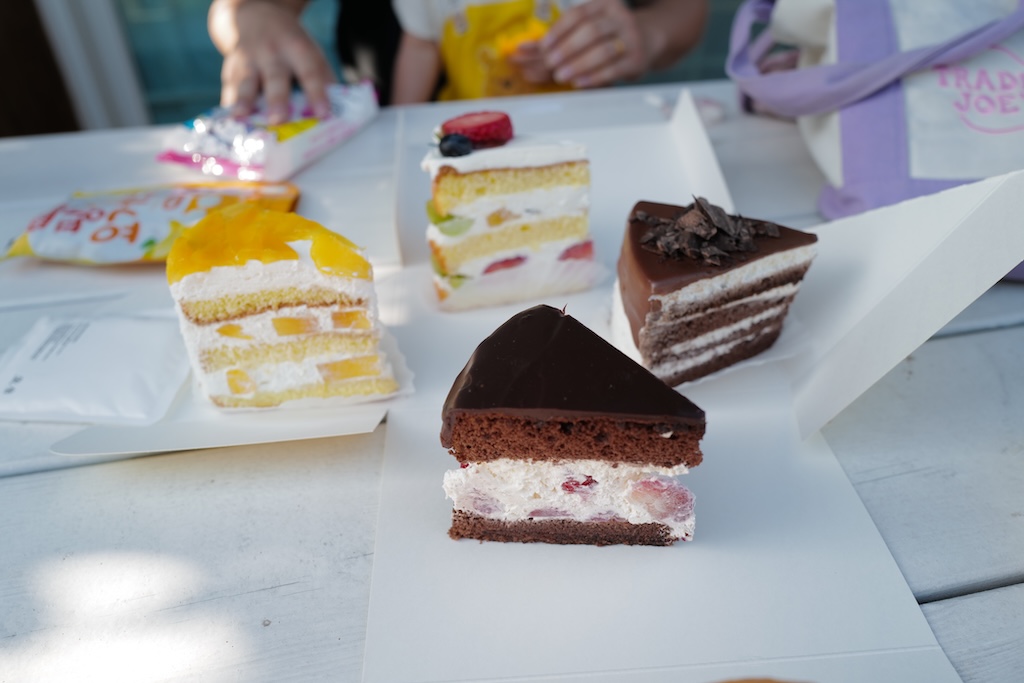
Before getting back, we stopped at Alice Cakery, which was located near where we were staying. They specialize in cakes sold by the slice. I thought the cakes were good, although I wouldn't necessarily call them life changing. Still, if you're staying nearby, it's a nice place to stop for dessert.
Rainbow Coastal Trail - This is a detour back to Jeju City
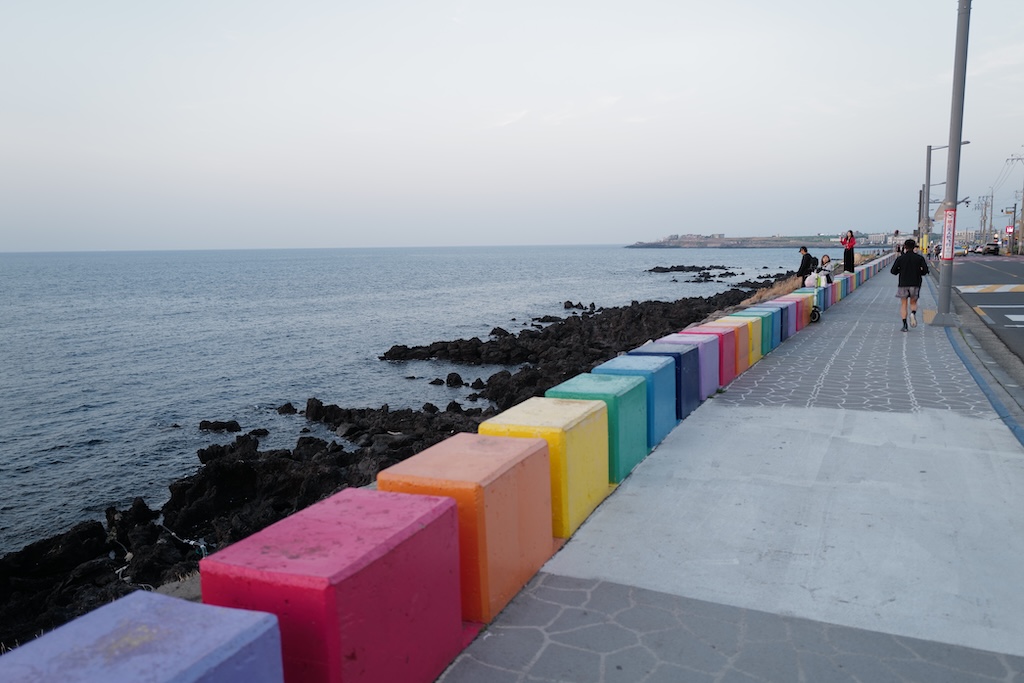
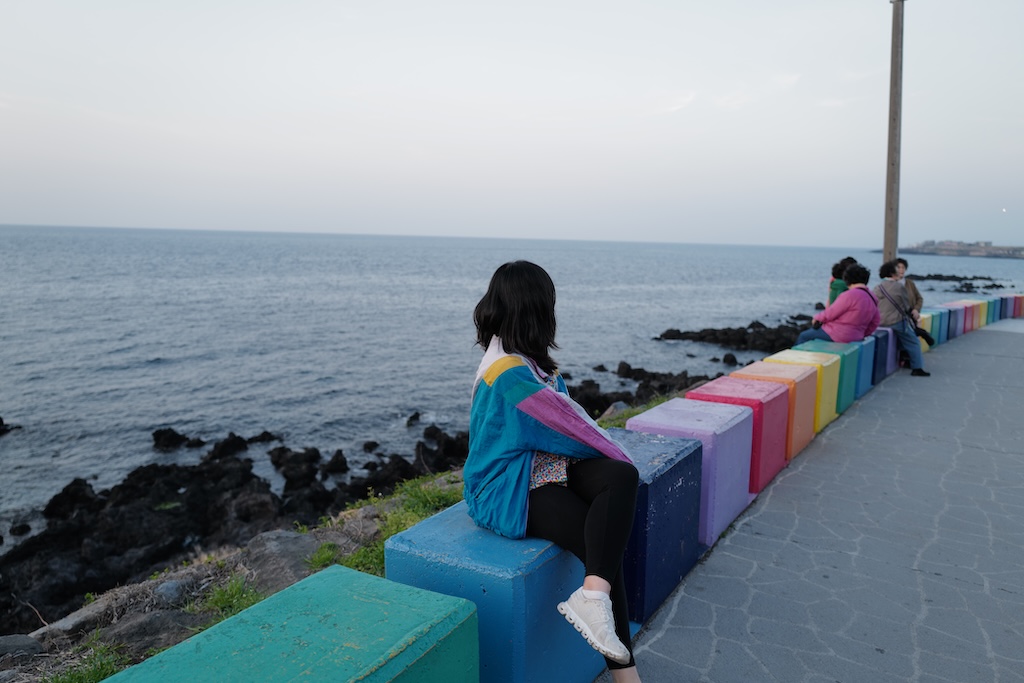
To end the day, we headed to the Rainbow Coastal Trail just before sunset to take some photos. The colorful seawall and ocean views make it one of the most popular photo spots near Jeju City.
Dongmun Market
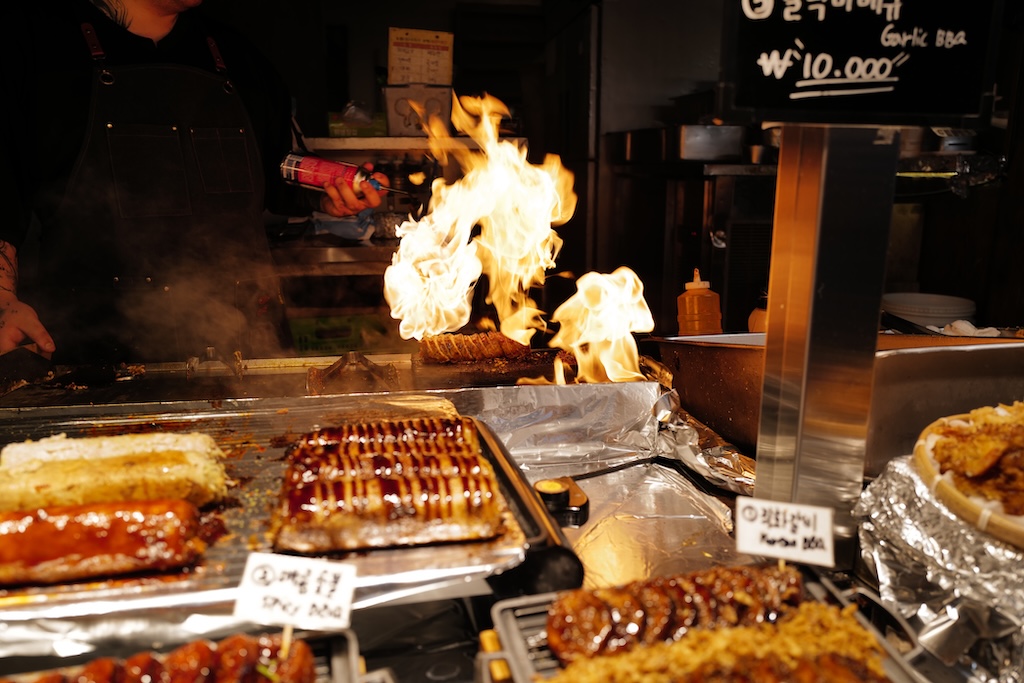
Afterward, we made our way to Dongmun Market for dinner, which was the perfect way to finish off another packed day exploring the island. Make sure to carry cash and be respectful of the workers here. Expect to stand and eat often, there is not many places to sit.
Day 4
Hamdan Noodles
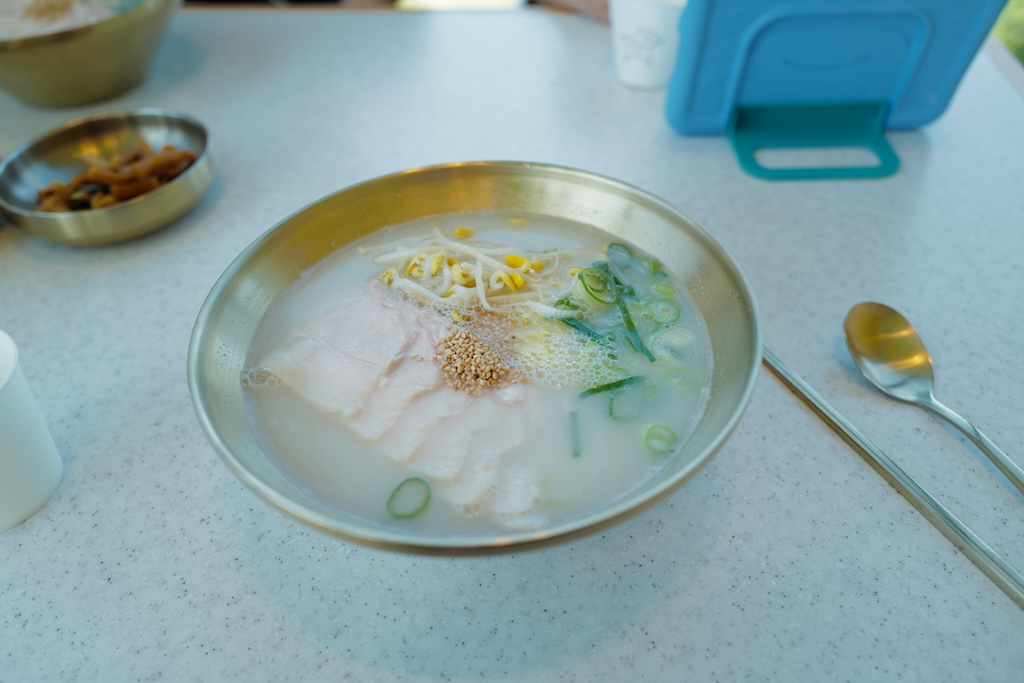
On our last day before heading to the airport, we made one final stop at Hamdam Noodles.
This is a really famous noodle spot that I highly recommend if you're visiting the Aewol area. We had originally wanted to eat here when we visited Aewol earlier in the trip, but we ran out of time. Fortunately, we were able to squeeze it in before leaving Jeju.
The noodles here were fantastic. It's not quite ramen, but the broth has a rich, deeply savory flavor that reminded me of a slow cooked bone broth. Combined with the perfectly cooked noodles and slices of tender pork on top, it made for an incredibly satisfying meal.
Honestly, this was one of the best bowls of noodles I had during my time in Korea. Sometimes the simplest dishes end up being the most memorable, and this was definitely one of those meals.
After lunch, we made our way back to the airport and said goodbye to Jeju. While there were still parts of the island we didn't get a chance to explore, especially eastern Jeju, I left feeling like we had experienced so much of what makes the island special. Between the waterfalls, coastal walks, volcanic landscapes, incredible food, and slower pace of life, Jeju ended up being one of my favorite destinations in Korea and a place I'd happily return to again.
Flight To Seoul
Final Thoughts
If you made it this far, I can confidently say that Jeju was one of the most beautiful places I've ever visited.
The food was amazing, the people were warm and welcoming, and overall I felt like the trip was surprisingly affordable, especially when compared to destinations like Hawaii. A lot of people refer to Jeju as the Hawaii of Korea, and after visiting, I can definitely see why.
What I loved most was the combination of incredible scenery, endless photo opportunities, and how accessible everything felt once you had a car. Within a relatively short drive, you can go from waterfalls and forests to beaches, coastal trails, cafés, and volcanic landscapes. It never felt like we had to spend an entire day driving just to get somewhere.
For us, staying in southern Jeju ended up being the right decision. Most of the attractions we were interested in were nature focused, and being based in Seogwipo made it easy to visit waterfalls, coastal viewpoints, and hiking destinations without spending too much time on the road.
If I could change one thing about the trip, I probably would have arrived in Jeju earlier on our first day and spent more time exploring the areas around Jeju City, including Dongmun Market and some of the attractions closer to the airport. Looking back, it would have made more sense to group those destinations together before heading south.
That said, I still think the itinerary worked out really well. The drives between southern and western Jeju were manageable, and although traveling from the north to the south side of the island could take around an hour, it never felt overwhelming.
Overall, Jeju exceeded my expectations. Between the incredible food, beautiful landscapes, friendly locals, and relaxed pace of life, it's a destination that I'd gladly return to. We didn't even make it to eastern Jeju this time around, which just gives us another reason to come back and explore more of the island in the future.
And lastly - Expect rain since it is a tropical island!
Quick Reference
By Neighborhood
At a Glance
Explore more Austin guides
Keep Reading
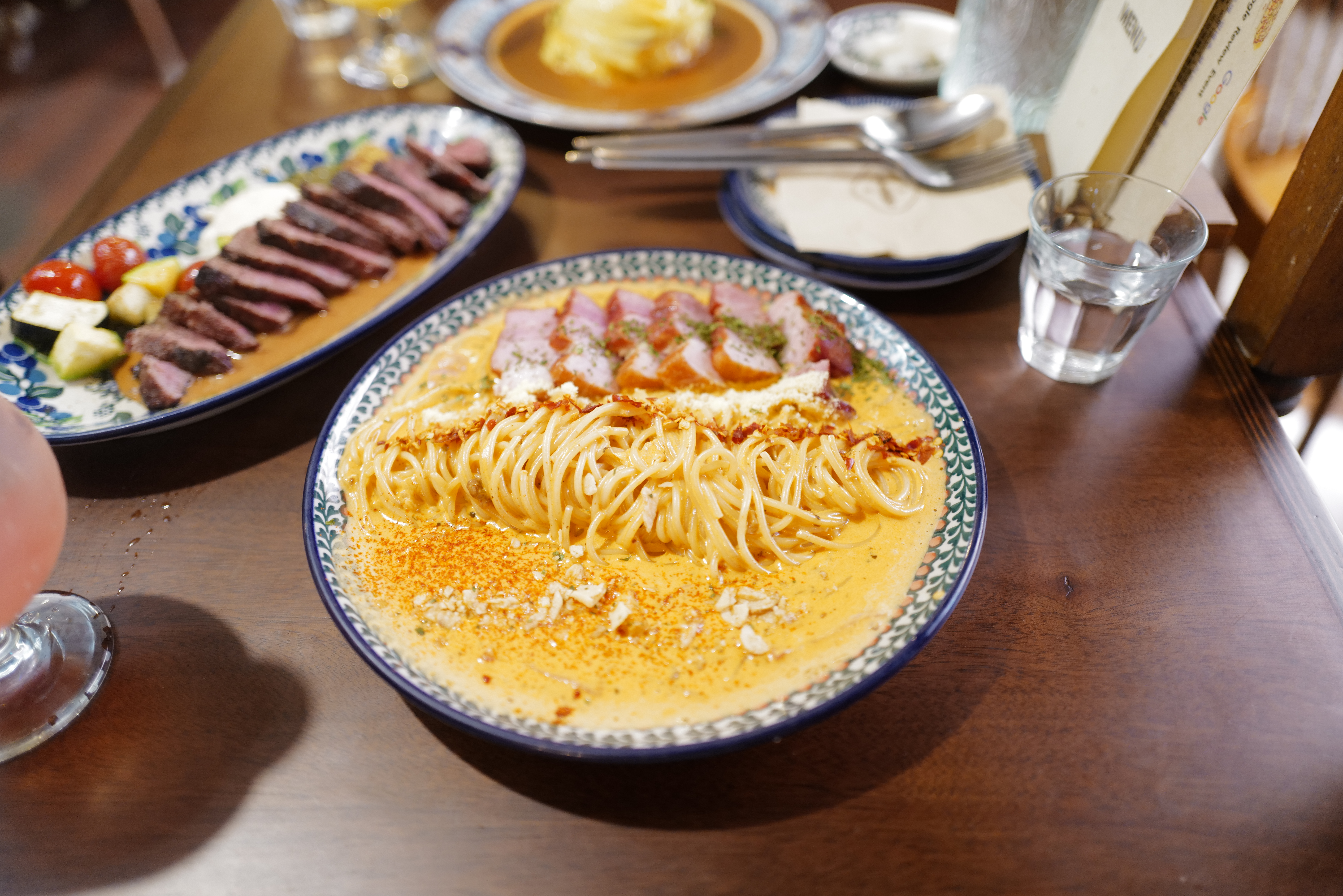
What to Eat in Seoul! Including Top Things to do
This is a Travel Guide for Tourists or people visiting Seoul! Where to Eat and Things to Do!
Read the guide →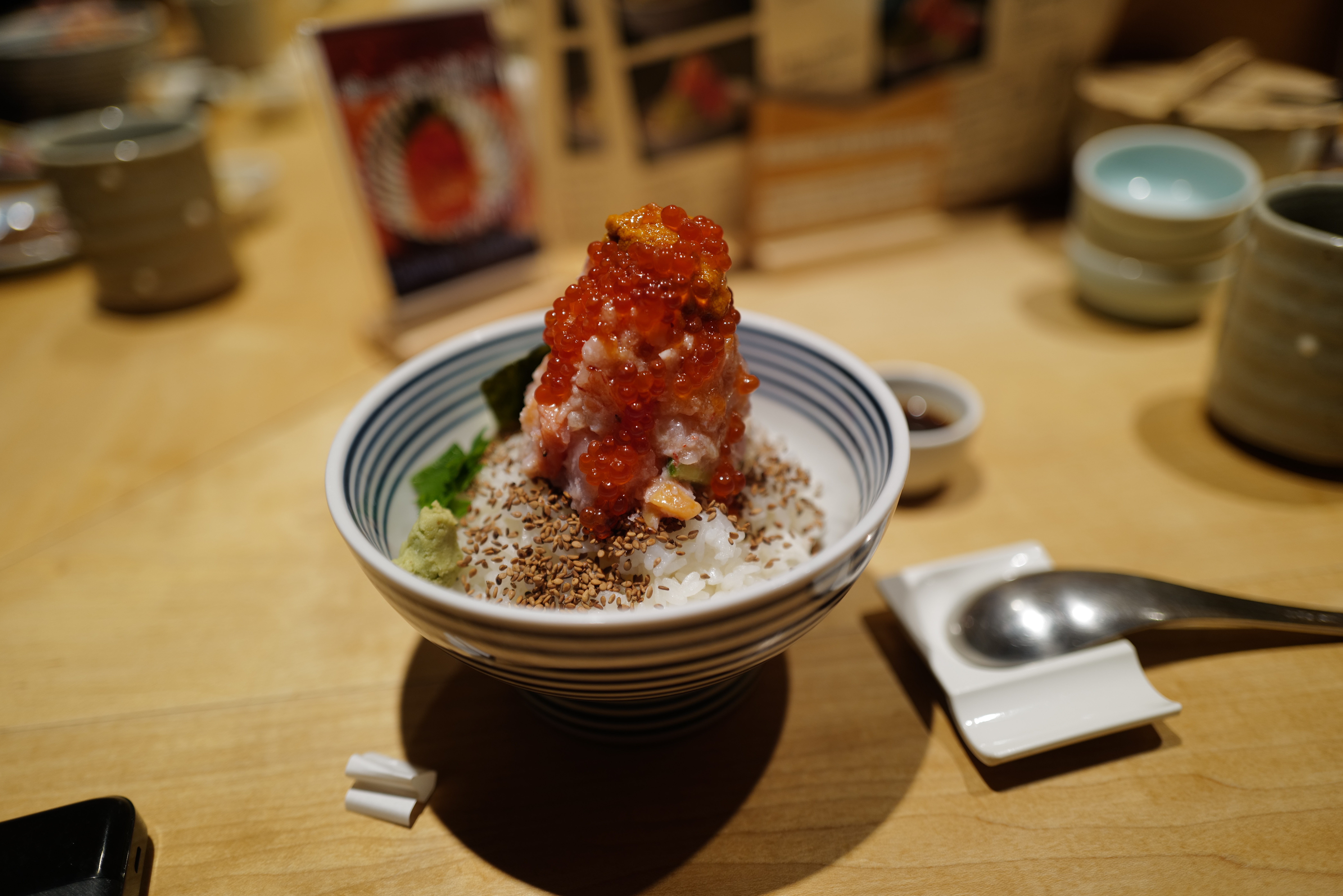
Best Eats in Tokyo, Japan!
Where to eat in Tokyo! Compiled from Multiple Visits!
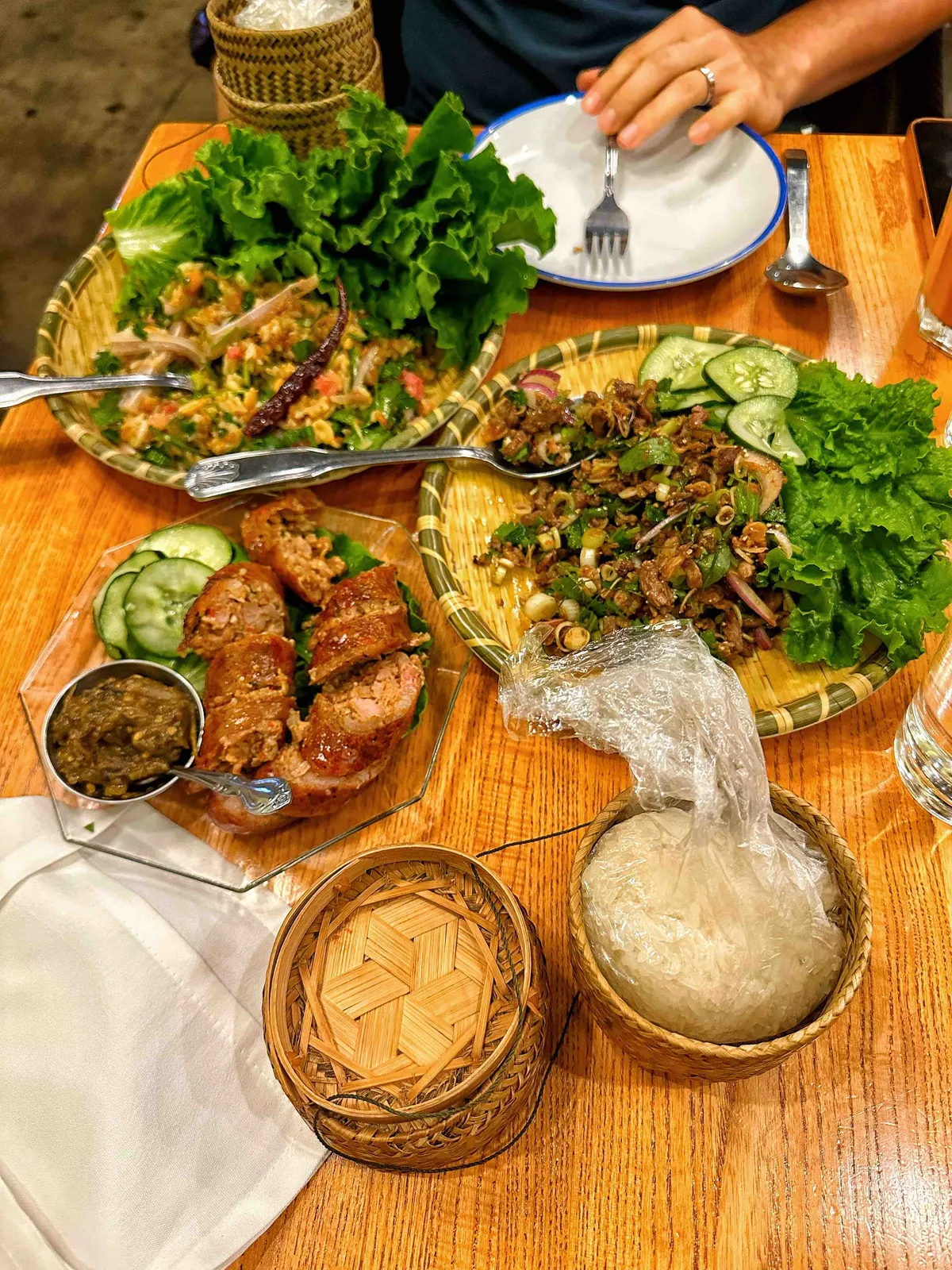
The Best Eats in Washington, DC in One Weekend!
Here is a list of the best eats in Washington, DC!
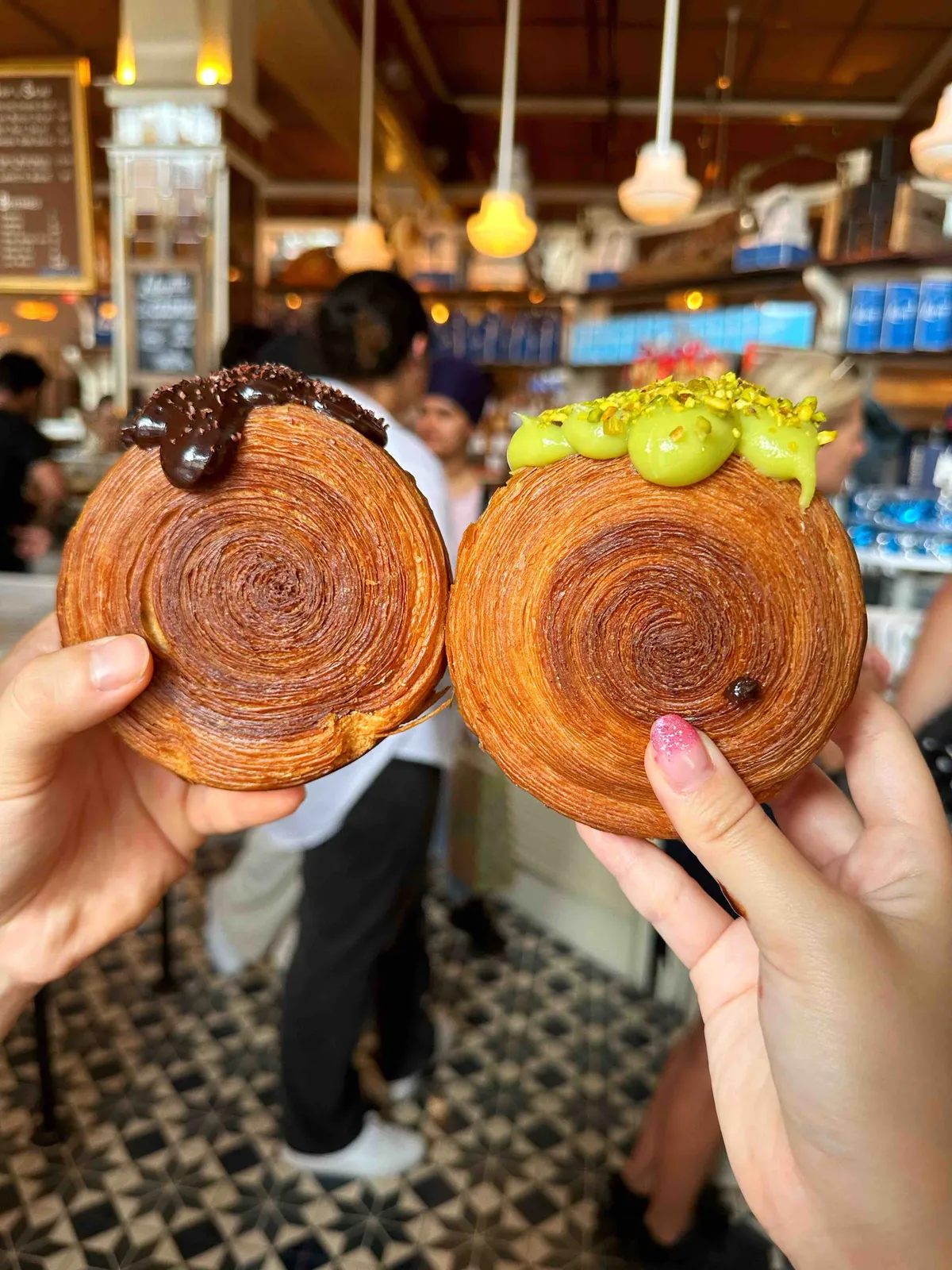
Ultimate Food Guide to New York City
A foodie's 3-day guide to eating your way through New York City. The best pizza, bagels, Chinatown eats, and neighborhood food crawls.